



Ferdowsi
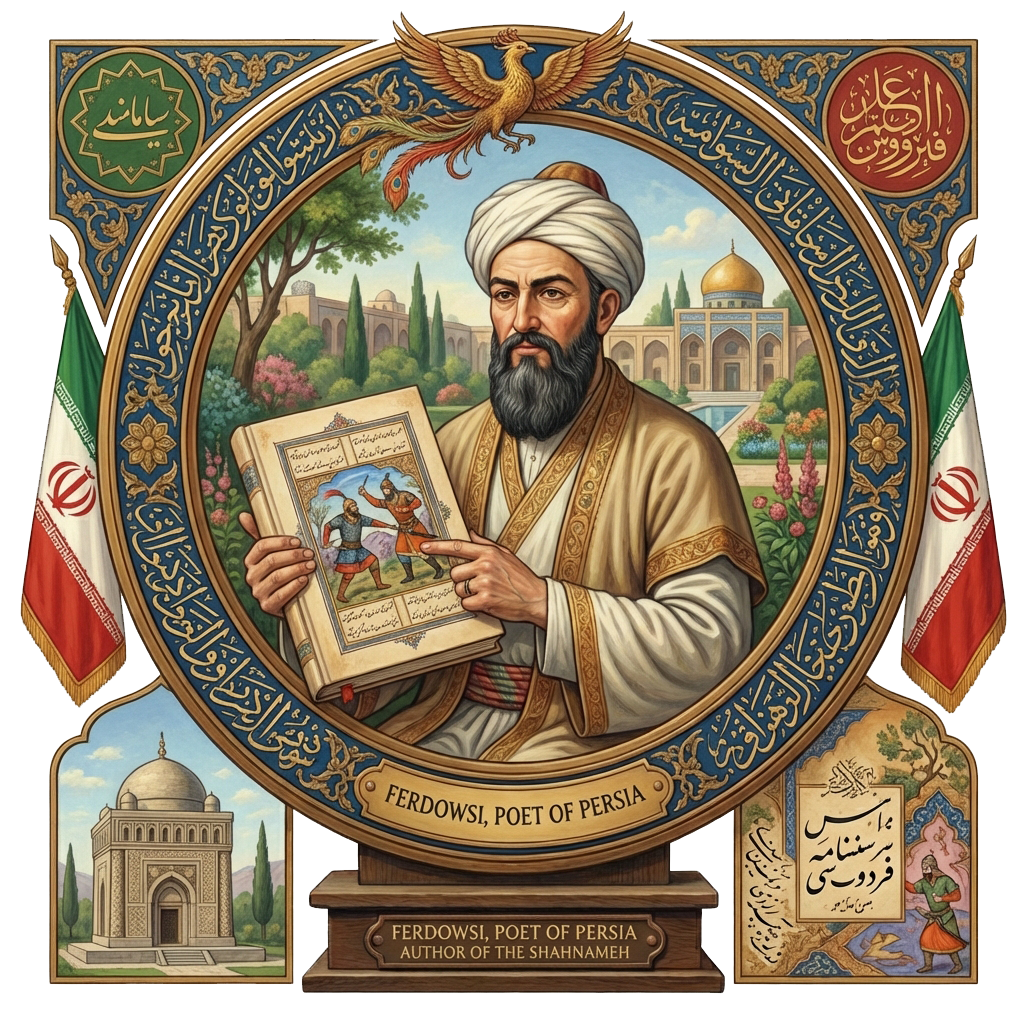
Persian poet who wrote the Shahnameh, the national epic of Greater Iran, preserving its language and history.
At a glance
- Born
- c. 940 CE
- Died
- c. 1020 CE
- Era classification
- c. 80
- Homeland
- Persia
- Period
- 940–1020 CE
- Field
- Poetry, Art & Ethics
- Language
- Persian
- Religion
- Islam
- Gender
- male
Biography
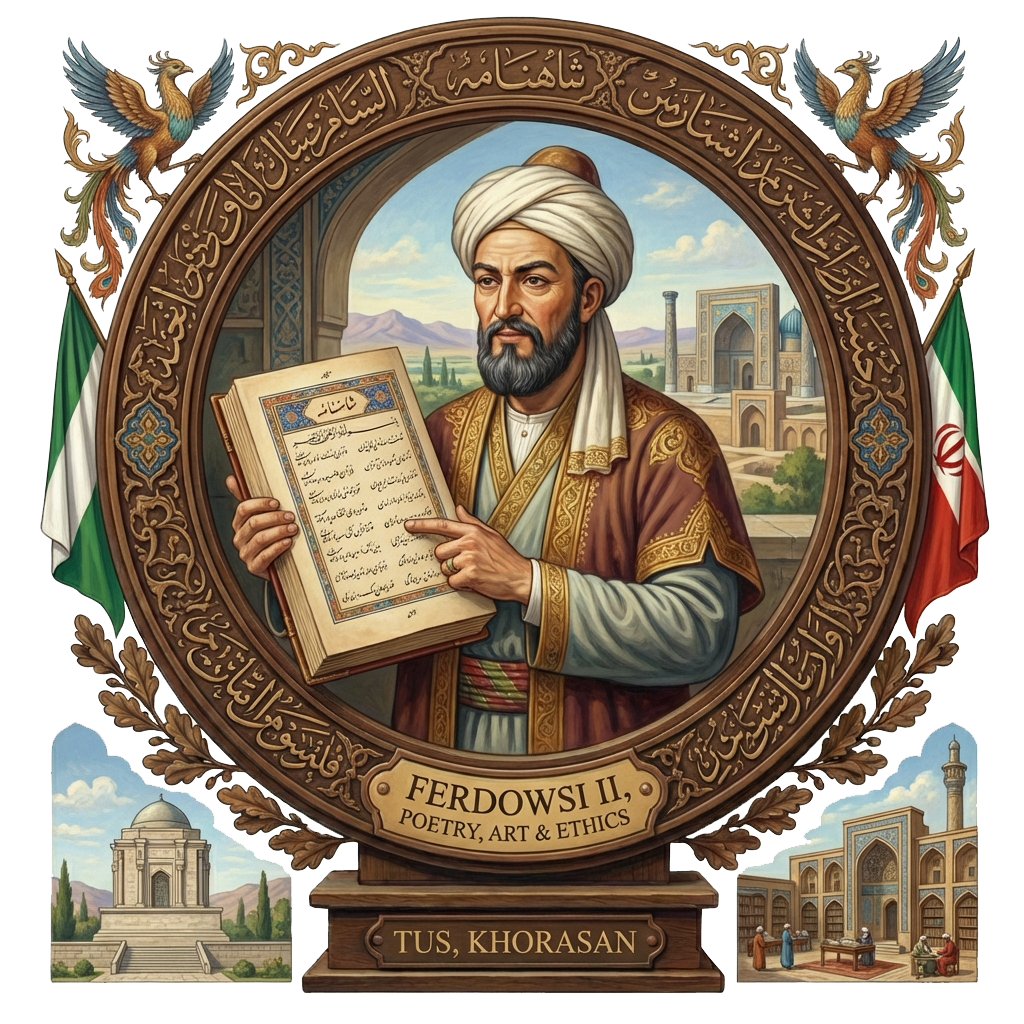
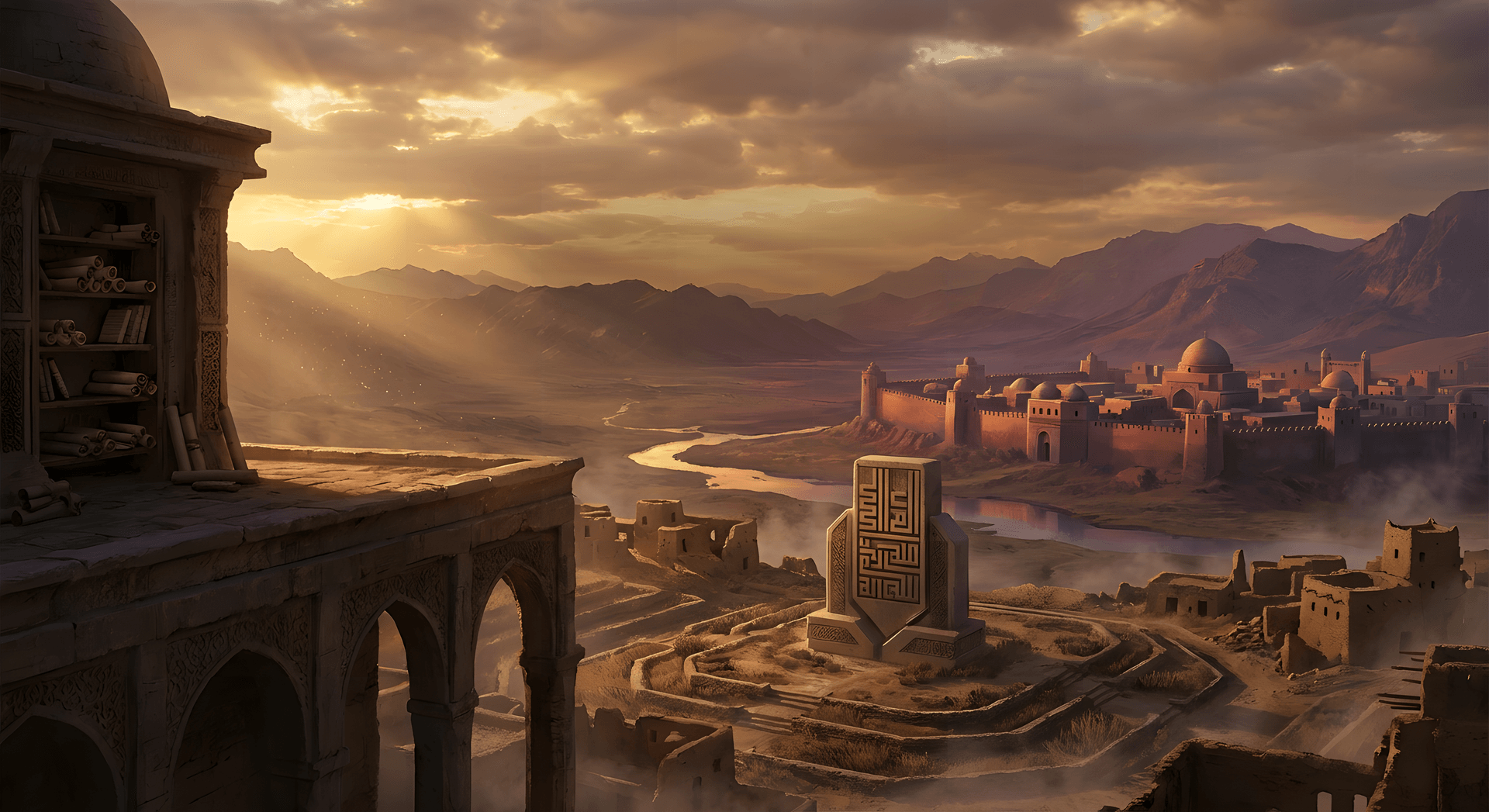
Hakim Abul-Qasim Ferdowsi Tusi was born around 940 CE in a village near Tus, in the Khorasan region of present-day Iran. He belonged to a class of landowning aristocrats known as the 'dehqans', who were deeply invested in preserving the cultural heritage, traditions, and myths of pre-Islamic Persia. Growing up during the Samanid Empire, a period characterized by a revival of Persian culture, Ferdowsi was uniquely positioned to absorb the rich historical narratives of his ancestors.
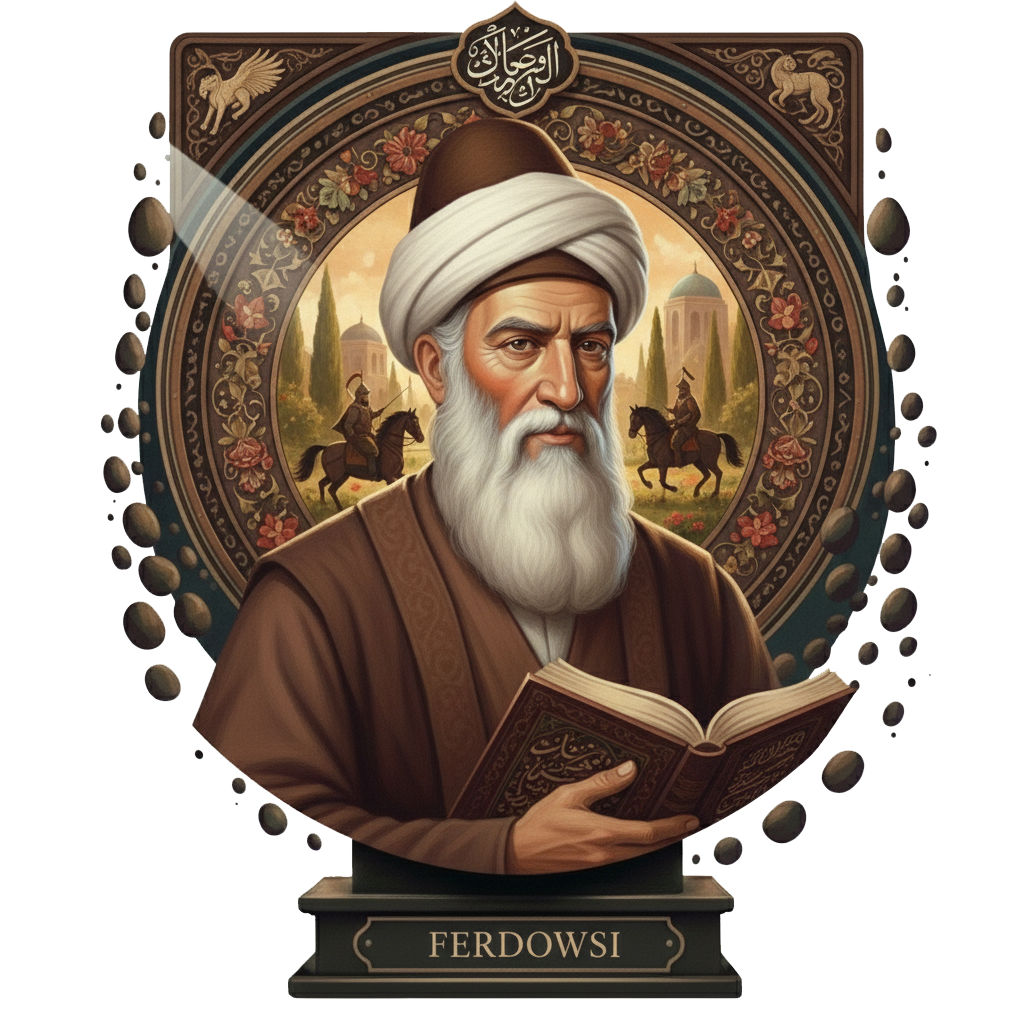
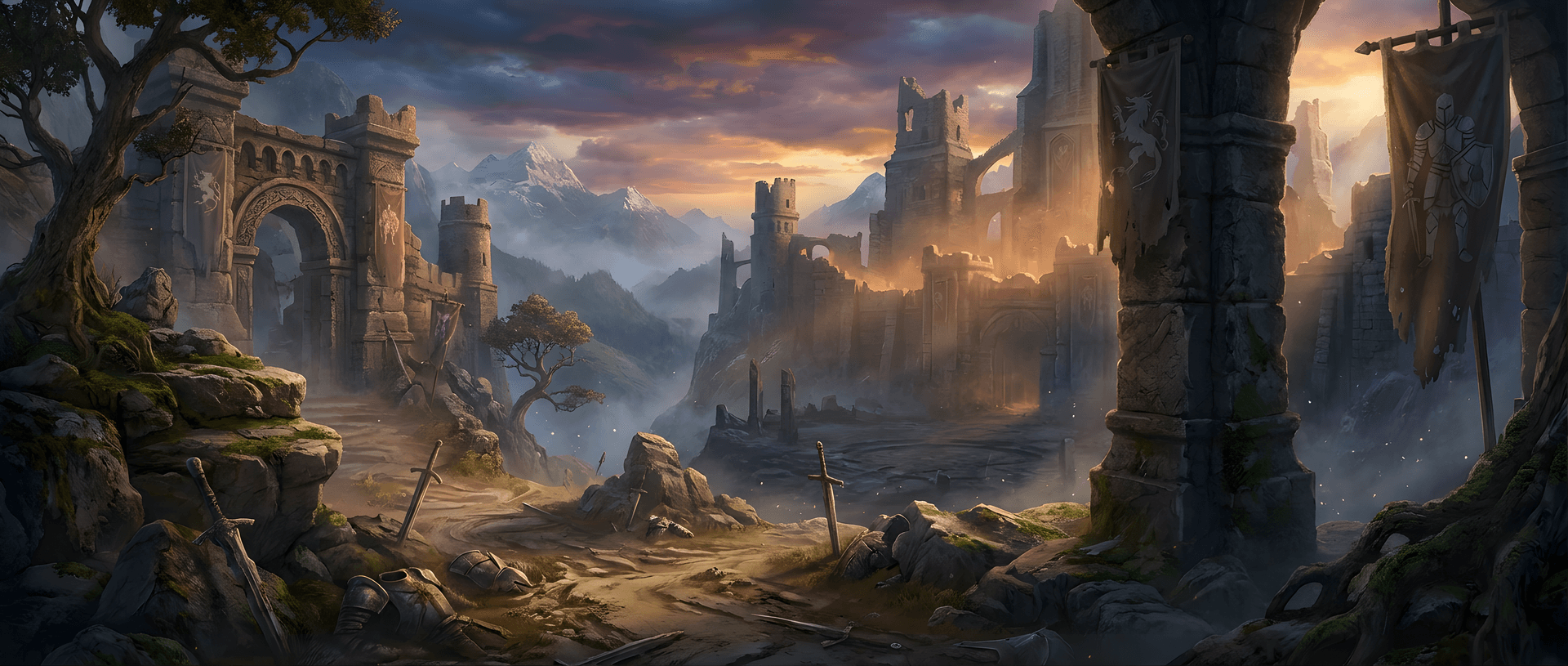
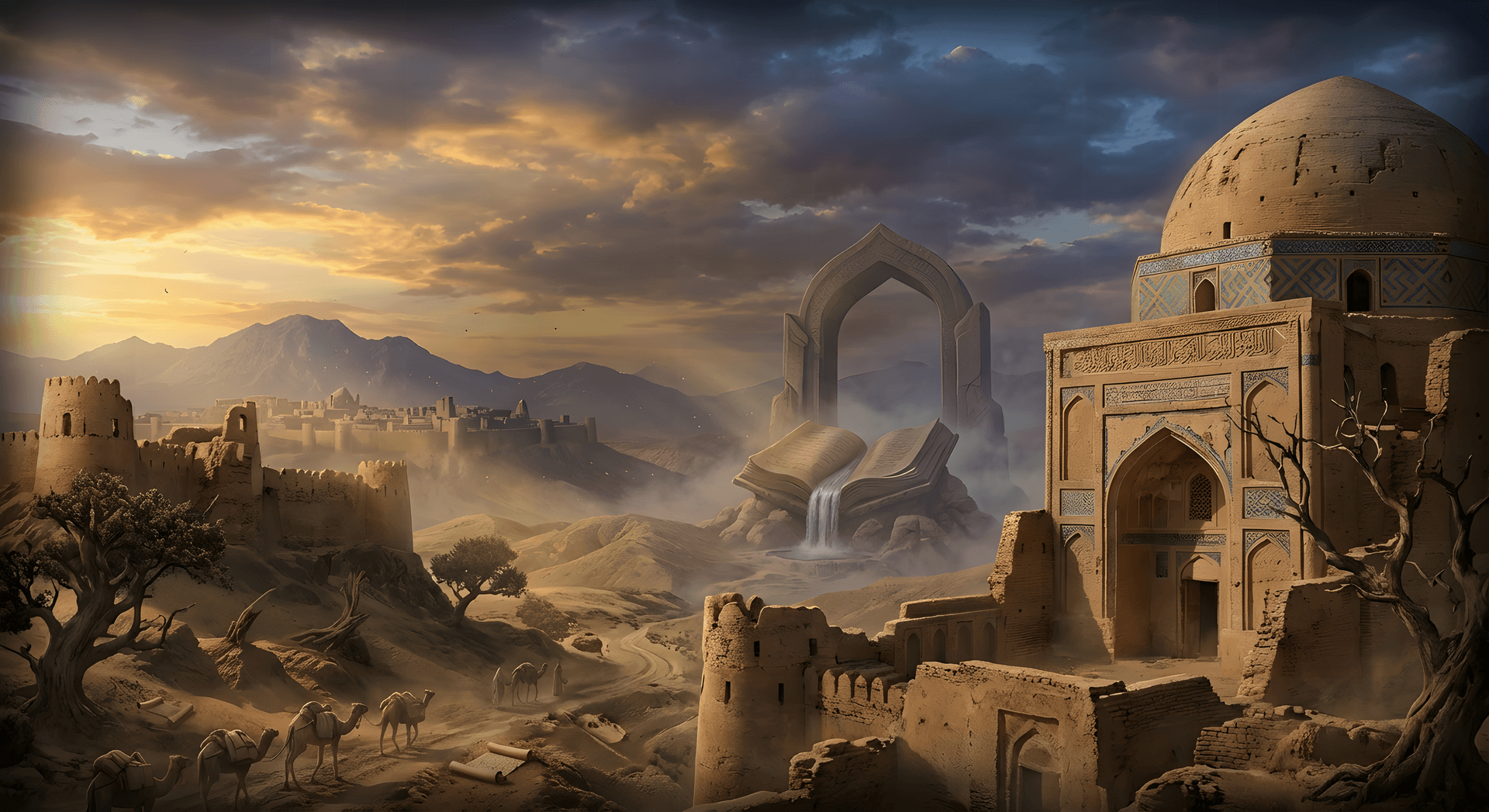
Ferdowsi's magnum opus, the 'Shahnameh' (The Book of Kings), consumed over three decades of his life. Comprising over 50,000 couplets, it is the world's longest epic poem written by a single author. The epic masterfully chronicles the mythical and historical past of the Persian Empire, from the creation of the world and the legendary heroes like Rostam, to the historical reigns of the Sassanid kings, culminating in the Arab conquest of Persia in the 7th century.
Following the fall of the Samanids, Ferdowsi sought the patronage of the new ruler, Sultan Mahmud of Ghazni. According to historical legend, the Sultan promised him a gold coin for every couplet but ultimately paid him in silver. Deeply insulted, Ferdowsi supposedly gave the money away and wrote a scathing satire of the Sultan before fleeing. He eventually returned to his hometown of Tus, where he died in relative poverty around 1020 CE.
Despite his tragic end, Ferdowsi's legacy is unparalleled. He is widely credited with saving the Persian language from being marginalized by Arabic following the Islamic conquest. By deliberately minimizing Arabic loanwords in the Shahnameh, he forged a linguistic and cultural monument that has sustained Iranian identity for over a millennium. Today, he is revered not just as a poet, but as a national hero in Iran and across the Persian-speaking world.
Portrayal characteristics
Saved editorial descriptions used for the reconstruction; these are not authenticated statements by the depicted person.
- Patriotic
- Perseverant
- Eloquent
- Visionary
- Culturally devoted
Images & artwork 7
Connections
Abu Ali Sina (Avicenna)
Contemporary Intellectuals
Both were towering figures of the Persian Golden Age and lived during the same era under Samanid and Ghaznavid rule.
While they worked in different fields—poetry and medicine—both were products of the same intellectual environment. They represent the peak of Persian contributions to world culture during the 10th and 11th centuries.
Rudaki
Literary Successor
Ferdowsi continued the revival of Persian literature that began with Rudaki, the 'Father of Persian Poetry.'
Rudaki established the poetic forms and the use of the New Persian language in the 10th century. Ferdowsi took these linguistic tools and used them to compose the Shahnameh, the definitive epic of the Iranian people.
Alexander the Great
Subject of Epic
Alexander appears as the character 'Eskandar' in Ferdowsi's epic poem, the Shahnameh.
Ferdowsi's portrayal of Alexander is a blend of historical conquest and Persian legend, depicting him as a seeker of wisdom and a legitimate successor to the Persian throne. This narrative helped the Persian people reconcile with the historical trauma of the Macedonian conquest.
Cyrus the Great
Historical Inspiration
Ferdowsi's Shahnameh preserves the legends of the ancient Persian kings, including figures inspired by Cyrus.
While the Shahnameh focuses more on the mythical Kayanian dynasty, the historical memory of Cyrus the Great is woven into the epic's portrayal of the ideal, just Persian ruler. Ferdowsi's work was instrumental in keeping the spirit of Cyrus's empire alive during centuries of foreign rule.
Nizami Ganjavi
Influenced By
Nizami Ganjavi was deeply influenced by the epic tradition established by Ferdowsi's Shahnameh.
Nizami's 'Khamseh' (Quintet) built upon the foundation of Persian narrative poetry laid by Ferdowsi, transitioning from the heroic epic style to more romantic and philosophical narratives. He frequently referenced the legendary history of Iran popularized by Ferdowsi in his own works like 'Eskandar-nameh'.
Mohammad Reza Pahlavi
Cultural Symbol & Nationalist Tool
The Shah heavily promoted the works of the 10th-century poet Ferdowsi, author of the Shahnameh (Book of Kings), to foster a secular, monarchist national identity. Ferdowsi's epic was used to glorify the institution of the Persian monarchy.
Mohammad Reza Pahlavi, continuing a cultural policy initiated by his father Reza Shah, elevated Ferdowsi to the status of Iran's supreme national poet. Ferdowsi's magnum opus, the Shahnameh, which chronicles the mythical and historical past of the Persian Empire before the Islamic conquest, perfectly aligned with the Shah's desire to cultivate a pre-Islamic, secular nationalism. The Pahlavi regime heavily subsidized the publication of the Shahnameh, incorporated it into the national educational curriculum, and funded the maintenance of Ferdowsi's grand mausoleum in Tus. The Shah frequently cited Ferdowsi's verses to emphasize the sacred and eternal nature of the Iranian monarchy, using the poet's legacy to legitimize his own autocratic rule. By championing Ferdowsi, the Shah sought to anchor modern Iranian identity in its ancient, royalist past, a cultural strategy that deliberately marginalized the influence of the Islamic clergy.
Rudaki
Literary Predecessor
Known for
- Authoring the Shahnameh (The Book of Kings)
- Preserving and revitalizing the Persian language
- Documenting pre-Islamic Iranian mythology and history
- Writing the world's longest epic poem by a single author
Episodes featuring or mentioning this figure
No eligible published episode featuring this figure is currently in the library.