



Mahmoud Hessabi
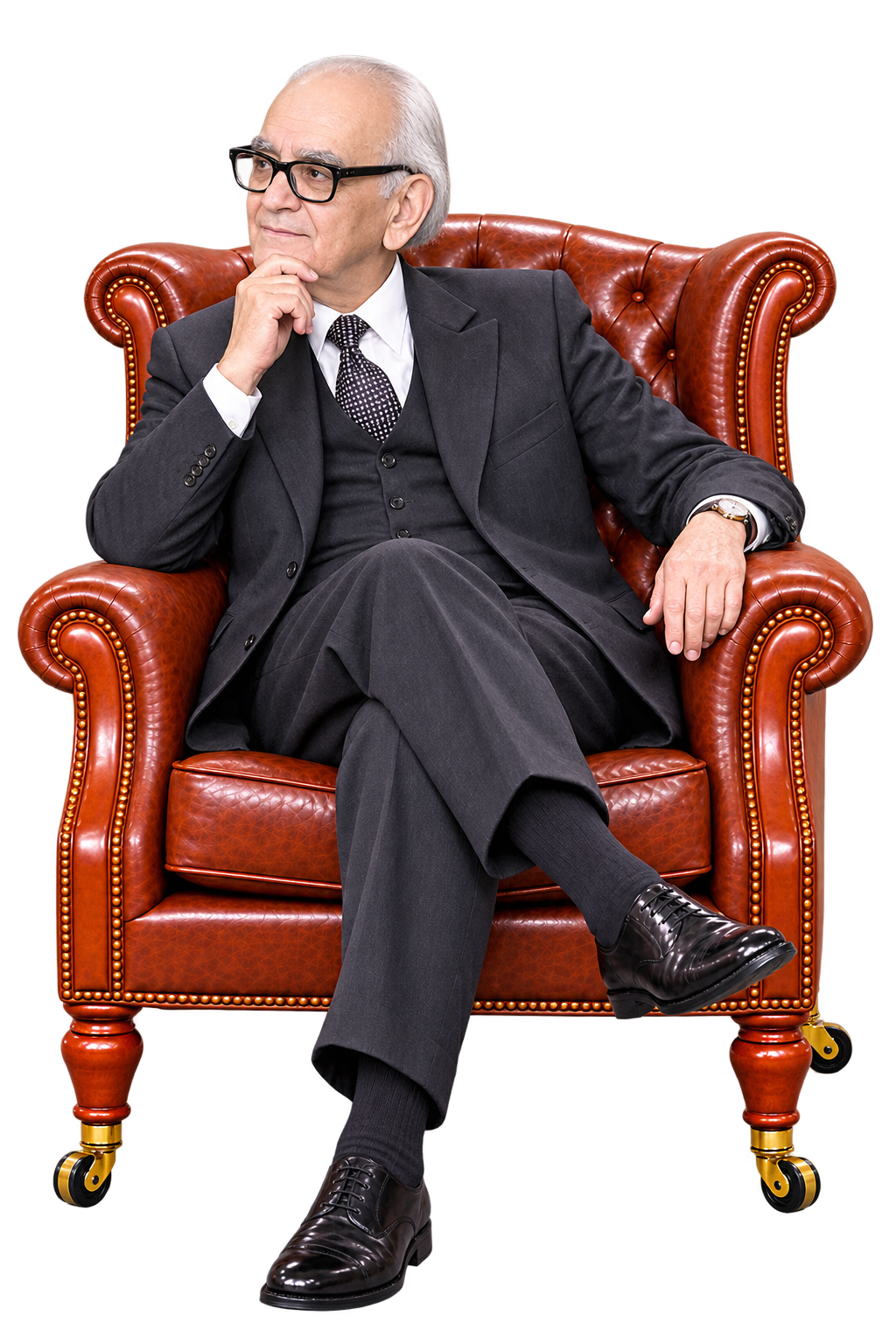
Prominent Iranian physicist and educator, widely celebrated as the father of modern physics and engineering in Iran.
At a glance
- Born
- 23 February 1903 CE
- Died
- 3 September 1992 CE
- Era classification
- 89
- Homeland
- Iran
- Period
- 1903–1992 CE
- Field
- Science, Medicine & Engineering
- Language
- Persian
- Religion
- Islam
- Gender
- male
Biography
Mahmoud Hessabi was born in Tehran in 1903, but spent much of his early life in Beirut, Lebanon, where his family relocated. Demonstrating an extraordinary aptitude for learning, he pursued a diverse education, earning degrees in literature, civil engineering, mathematics, and astronomy from the American University of Beirut. His insatiable curiosity eventually led him to France, where he shifted his focus to the physical sciences.
In Paris, Hessabi studied at the Sorbonne and earned his Ph.D. in physics in 1927 under the supervision of the eminent physicist Charles Fabry. During his time in Europe, he was exposed to cutting-edge developments in quantum mechanics and relativity. He later engaged with the global scientific community and is celebrated in Iranian popular culture for his interactions with prominent scientists of his era, including Albert Einstein, which symbolized Iran's connection to global scientific advancement.
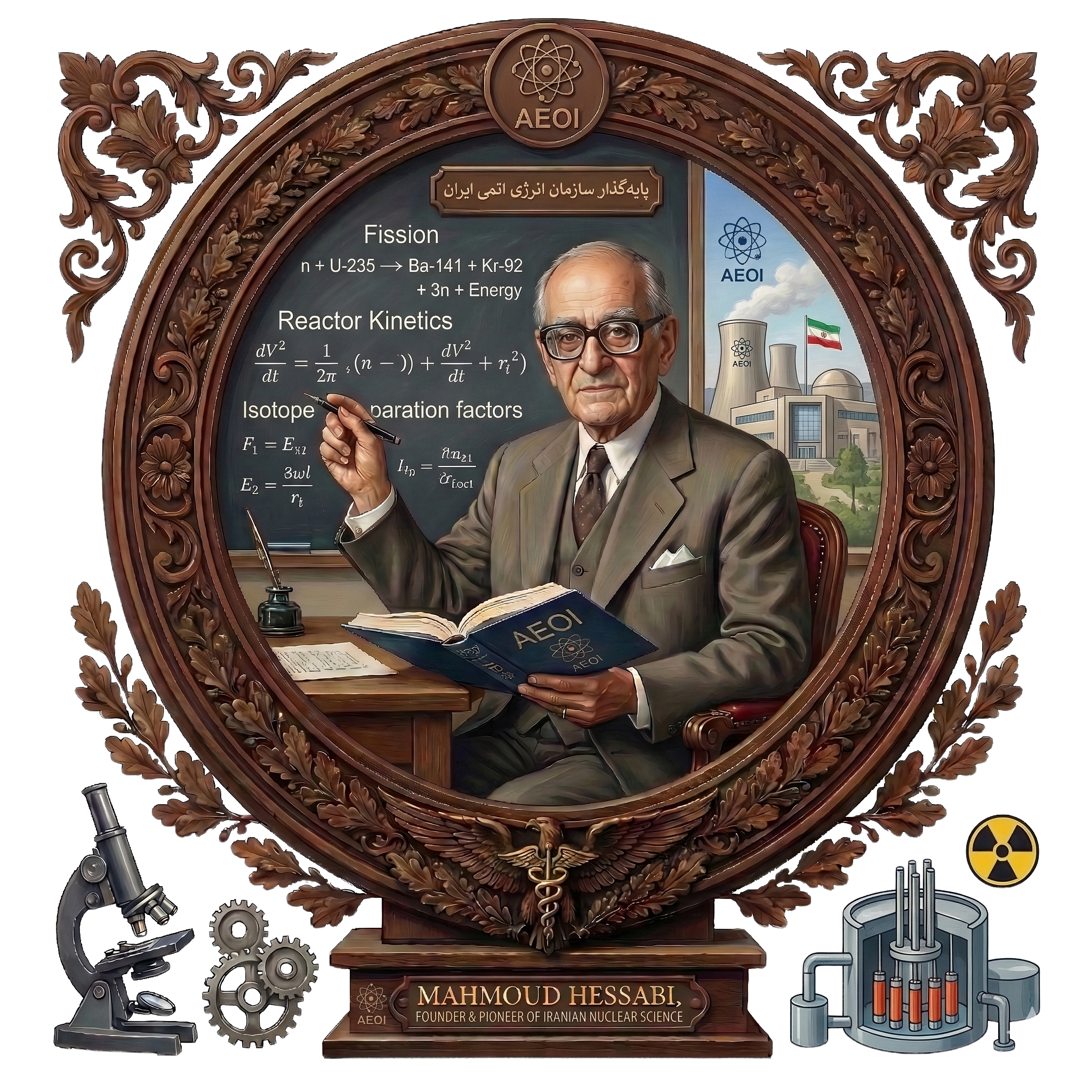
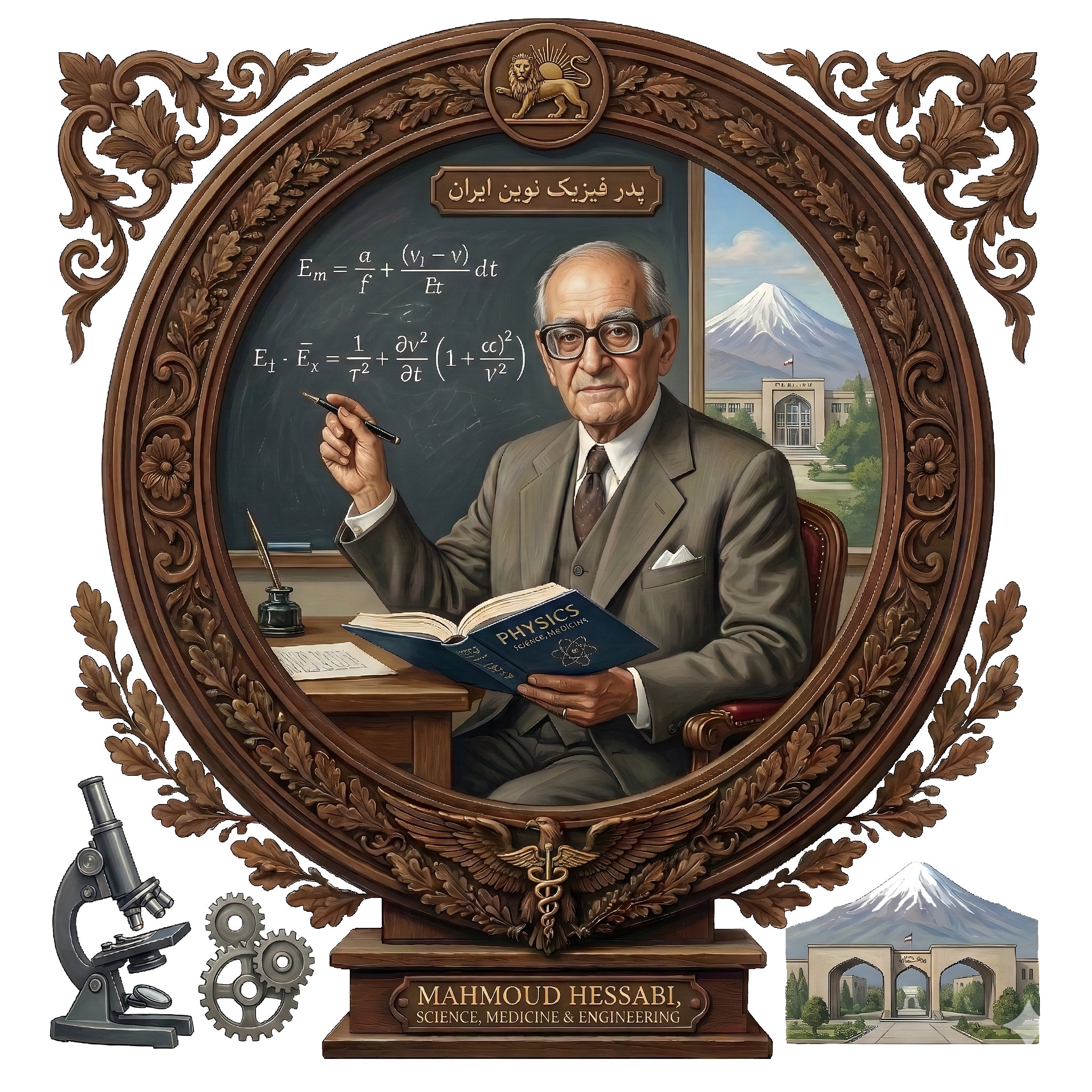
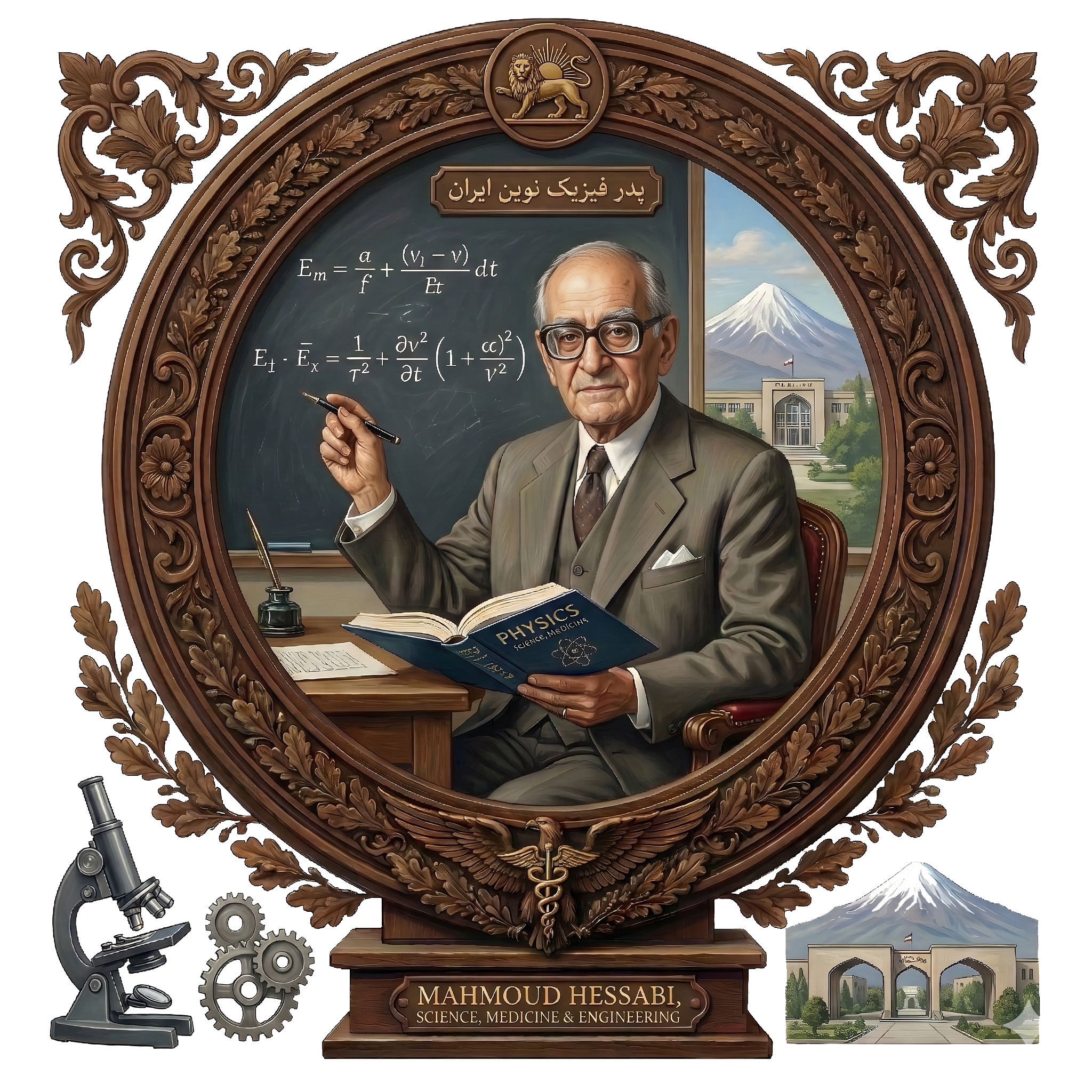
Returning to Iran, Hessabi dedicated his life to modernizing the nation's educational and scientific infrastructure. He was instrumental in the founding of the University of Tehran in 1934, where he established the Faculty of Science and the Faculty of Engineering. His tireless efforts laid the groundwork for modern scientific research in Iran, earning him the title of the 'Father of Modern Physics in Iran.' He also played a key role in establishing the Atomic Energy Organization of Iran and the country's first modern meteorological station.
Beyond his scientific endeavors, Hessabi was deeply involved in Iranian politics and culture. He served as the Minister of Education in the cabinet of Prime Minister Mohammad Mosaddegh from 1951 to 1952 and represented Tehran in the Iranian Senate. A polymath with a profound love for Persian literature and music, he contributed significantly to the Academy of Persian Language and Literature, helping to coin Persian equivalents for modern scientific terminology before his death in Geneva in 1992.
Portrayal characteristics
Saved editorial descriptions used for the reconstruction; these are not authenticated statements by the depicted person.
- Polymathic
- Visionary
- Patriotic
- Dedicated
- Cultured
Images & artwork 6


Connections
Albert Einstein
Teacher & Student
Professor Hessabi was a student of Einstein and collaborated with him on advanced physical theories.
Hessabi met Einstein at Princeton and worked with him on the Unified Field Theory. Einstein was reportedly impressed by Hessabi's intellect, and Hessabi later returned to Iran to establish modern physics education in the country based on these experiences.
Albert Einstein
Student & Colleague
Hessabi was a student and later a collaborator of Einstein at Princeton University.
Hessabi is noted for his research on the 'Infinitely Extended Particles' theory, which he discussed extensively with Einstein. Their collaboration is a point of significant pride in Iranian scientific history, representing a bridge between Persian academia and global theoretical physics.
Marie Curie
Teacher & Student
Hessabi studied under Marie Curie during his time in Paris.
As a young scholar in Europe, Hessabi attended lectures and conducted research under Curie's guidance at the Sorbonne. This experience was foundational to his efforts to modernize scientific education and research infrastructure upon his return to Iran.
Mohammad Reza Pahlavi
Political Appointment
Hessabi served as the Minister of Education during the reign of Mohammad Reza Pahlavi.
In addition to his scientific work, Hessabi was a senator and a cabinet member under the Shah. He utilized his political influence to establish the University of Tehran and various other scientific institutions in Iran.
Marie Curie
Teacher & Student
Marie Curie served as a mentor to the young Iranian scientist Mahmoud Hessabi in Paris.
Hessabi was one of the many international students who sought out Curie's expertise at the Radium Institute. Her mentorship helped shape the scientific methodology that Hessabi later used to establish modern physics departments in Iran.
Mohammad Reza Pahlavi
Monarch & State Scientist
Mahmoud Hessabi was a prominent Iranian physicist and educator who served as Minister of Education during the Shah's reign. He played a crucial role in developing Iran's modern scientific and academic infrastructure under the Pahlavi regime.
Mahmoud Hessabi's career as the 'father of modern physics in Iran' spanned the reigns of both Reza Shah and Mohammad Reza Pahlavi. Under Mohammad Reza Pahlavi, Hessabi's efforts to modernize Iran's educational and scientific institutions aligned perfectly with the Shah's ambitions to transform Iran into a technologically advanced global power. During the Shah's reign, Hessabi served as a senator and briefly as the Minister of Education in the early 1950s under Prime Minister Mohammad Mosaddegh, though he continued to be a highly respected academic figure after the Shah consolidated power in 1953. Hessabi was instrumental in expanding the University of Tehran, founding the Atomic Energy Organization of Iran, and establishing the country's first modern meteorological and telecommunications networks. While Hessabi was primarily a man of science rather than politics, his foundational work provided the intellectual and infrastructural backbone for the rapid modernization programs the Shah championed during the White Revolution.
Known for
- Father of Modern Physics in Iran
- Co-founding the University of Tehran
- Establishing the Atomic Energy Organization of Iran
- Minister of Education under Mohammad Mosaddegh
- Developing Persian scientific terminology
Episodes featuring or mentioning this figure
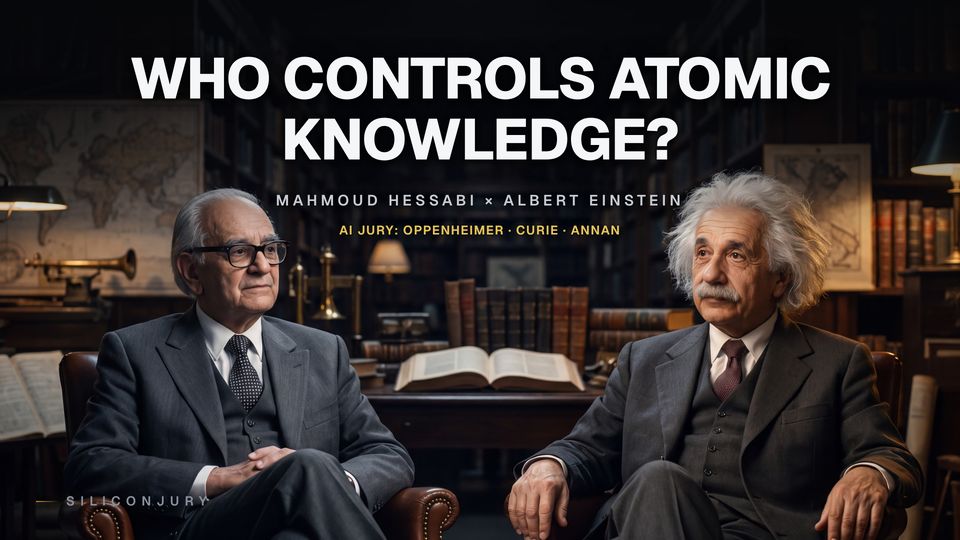
Mahmoud Hessabi vs Albert Einstein: Nuclear Access and Scientific Sovereignty
AI jury: 3 members
Should developing nations have unrestricted access to peaceful nuclear technology, or do the attendant geopolitical and safety risks demand strict limits?