



Theodor W. Adorno
Leading Frankfurt School philosopher and sociologist renowned for his critical theory and critique of mass culture.
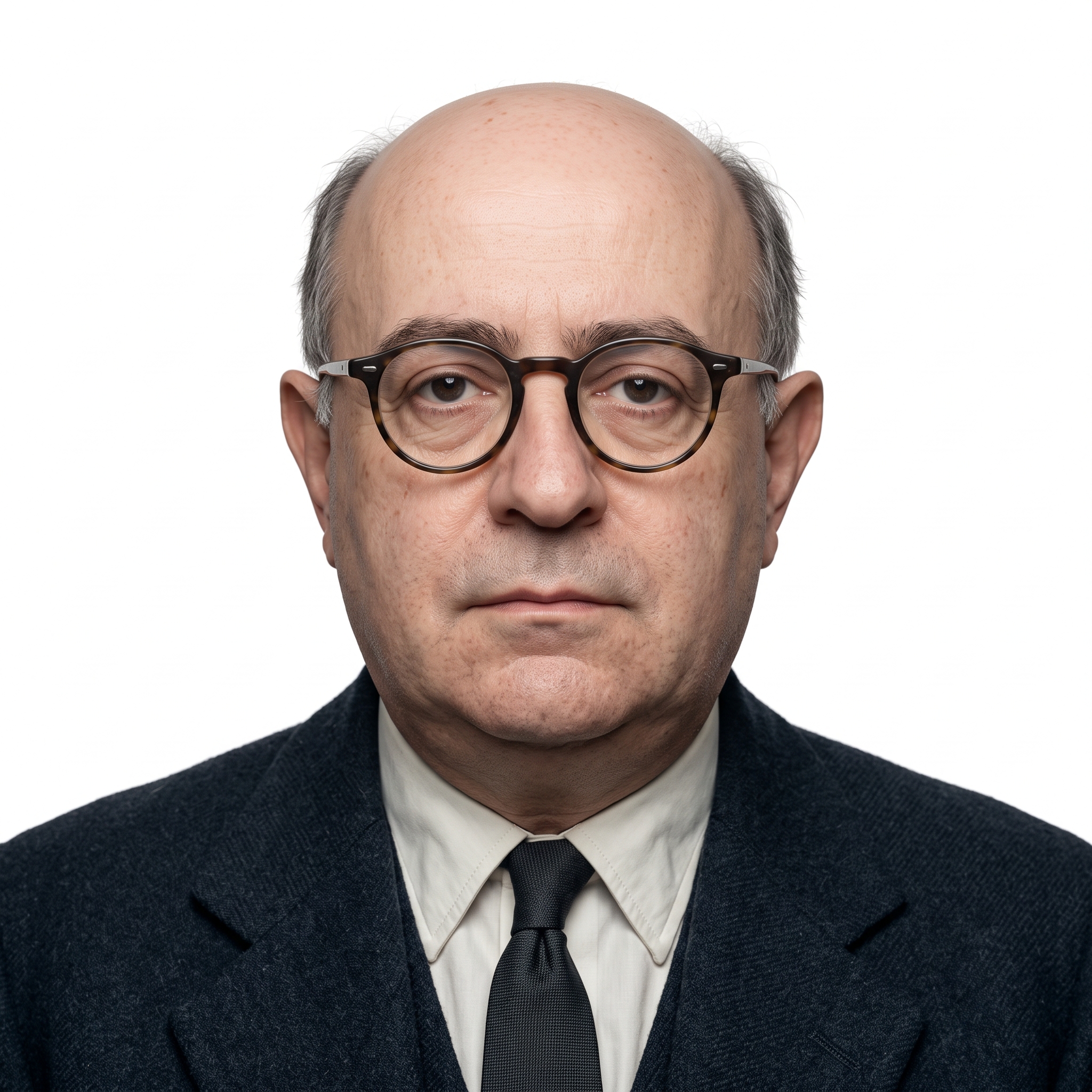
At a glance
- Born
- 1903 CE
- Died
- 1969 CE
- Era classification
- Modern
- Occupation
- Philosopher
- Homeland
- Germany
- Period
- 20th Century
- Field
- Philosophy & Ideology
- Language
- German
- Religion
- Secular Jewish / Agnostic
- Gender
- male
Biography
Theodor W. Adorno was born in Frankfurt am Main, Germany, into a cultured, upper-middle-class family. Showing early brilliance in both philosophy and music, he studied composition in Vienna under Alban Berg and earned his doctorate in philosophy at the University of Frankfurt. In the late 1920s and early 1930s, Adorno became closely associated with the Institute for Social Research, which developed what would become globally recognized as the Frankfurt School of Critical Theory.
Following the rise of the Nazi regime, Adorno was forced into exile due to his Jewish heritage and Marxist intellectual sympathies. He lived in Oxford and later emigrated to the United States, residing in New York and Los Angeles. During his American exile, he co-authored the seminal text 'Dialectic of Enlightenment' with Max Horkheimer, arguing that the rationalist impulses of the Enlightenment had ironically transformed into tools of domination and modern totalitarianism. He also contributed significantly to empirical social psychology through 'The Authoritarian Personality' study.
Adorno returned to West Germany in 1949, re-establishing the Institute for Social Research and becoming a towering figure in post-war European intellectual life. His late masterworks, such as 'Minima Moralia', 'Negative Dialectics', and the posthumously published 'Aesthetic Theory', dissected alienation, capitalism, and modern art. His dense, dialectical prose and profound skepticism toward modern consumer culture and administered society remain foundational to contemporary cultural critique and philosophy.
Portrayal characteristics
Saved editorial descriptions used for the reconstruction; these are not authenticated statements by the depicted person.
- Intellectually rigorous
- Melancholy
- Dialectical thinker
- Aesthetically sensitive
- Culturally critical
Images & artwork 4
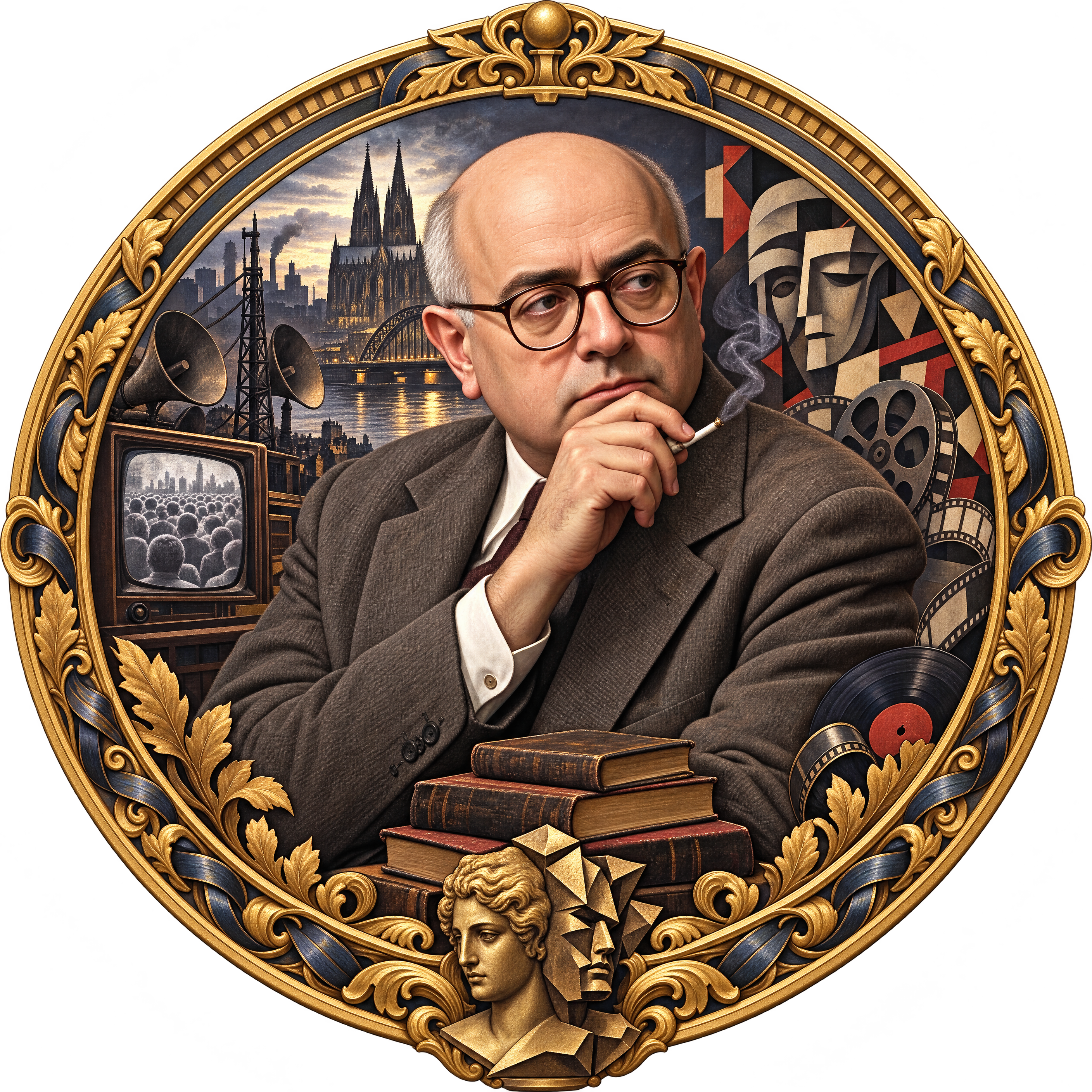
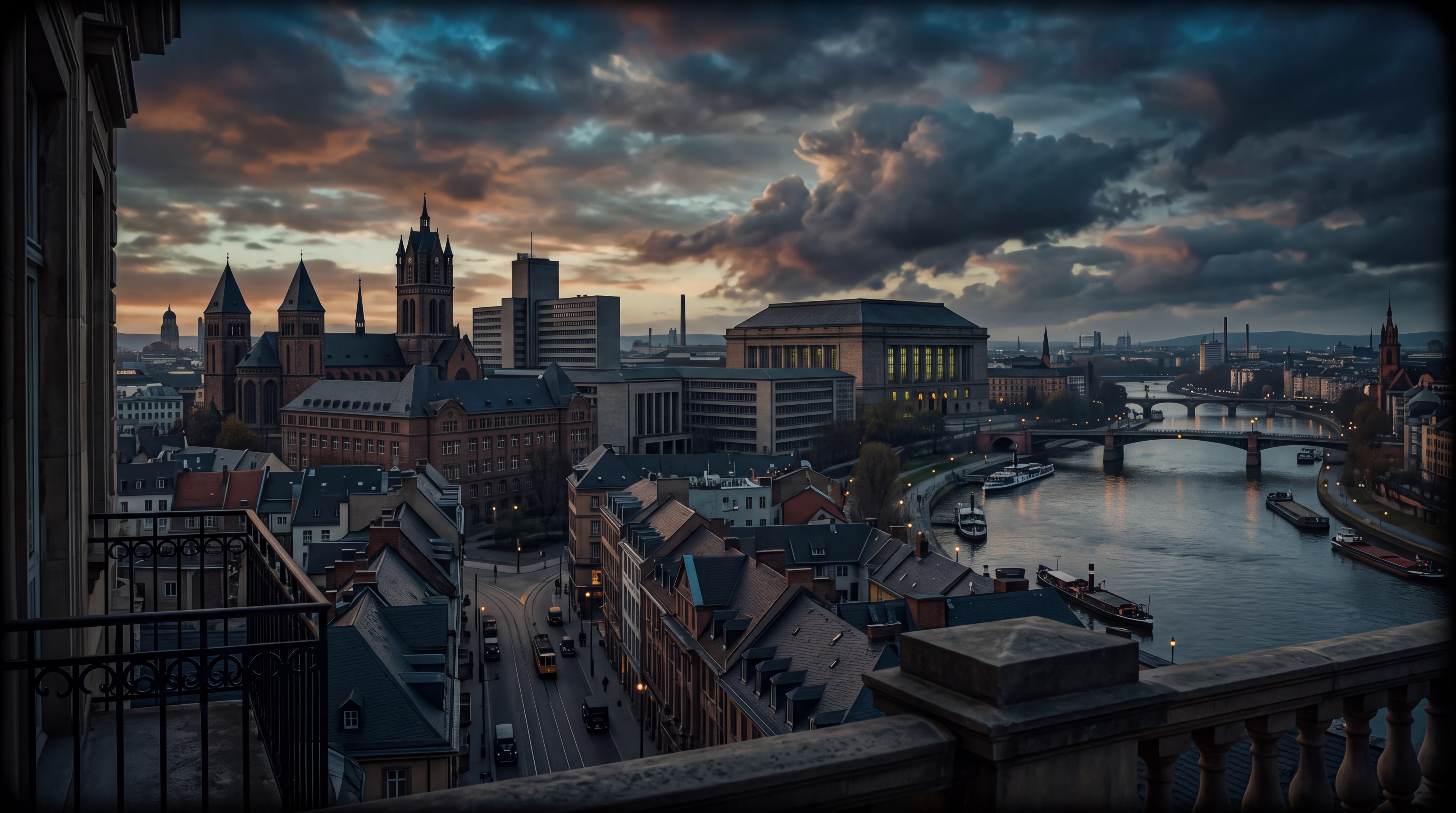
Known for
- Dialectic of Enlightenment (with Max Horkheimer)
- Concept of the Culture Industry
- Negative Dialectics
- Minima Moralia
- Studies in The Authoritarian Personality
- Aesthetic Theory
Episodes featuring or mentioning this figure
No eligible published episode featuring this figure is currently in the library.