



Suhrawardi (Sheikh al-Ishraq)
Persian philosopher and mystic who founded the influential Illuminationist school of Islamic philosophy.
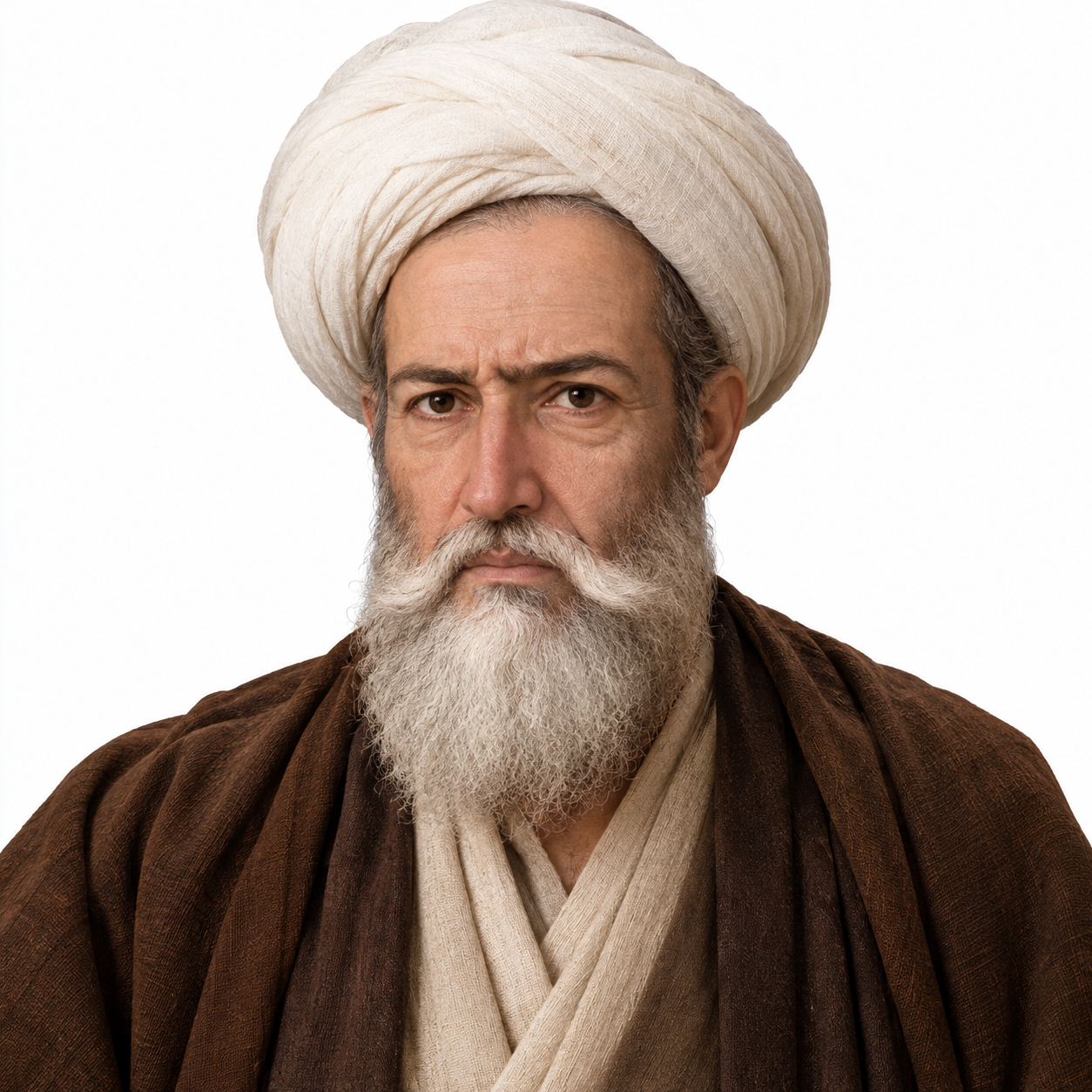
At a glance
- Born
- c. 1154 CE
- Died
- 1191 CE
- Era classification
- Medieval
- Occupation
- Philosopher
- Homeland
- Persia (modern-day Iran)
- Period
- 12th century CE
- Field
- Philosophy & Ideology
- Language
- Persian
- Religion
- Islam
- Gender
- male
Biography
Shahab al-Din Yahya ibn Habash Suhrawardi, posthumously titled Sheikh al-Ishraq ('Master of Illumination'), was born around 1154 CE in Suhraward, a town in northwestern Iran. He received a thorough education in Islamic jurisprudence and Peripatetic (Avicennian) philosophy in Maragha and Isfahan. While mastering the rationalist methodologies of Ibn Sina (Avicenna), Suhrawardi became convinced of the limitations of purely discursive logic and sought an epistemological framework that unified rational analysis with direct mystical intuition and inner experience.
Suhrawardi's intellectual breakthrough culminated in the founding of the Ishraqi (Illuminationist) school, most comprehensively articulated in his magnum opus, 'Hikmat al-Ishraq' (The Philosophy of Illumination). He constructed an ontology centered on the metaphysics of light ('nur'), positing that all reality consists of graded intensities of pure light emanating from the transcendent Light of Lights ('Nur al-Anwar'). His philosophy integrated elements of Platonism, Neoplatonism, and Hermeticism with pre-Islamic Persian wisdom traditions, while developing the key epistemological concept of 'knowledge by presence' ('al-ilm al-huduri'), asserting that self-awareness precedes conceptual abstraction.
After traveling through Anatolia and the Levant, Suhrawardi settled in Aleppo, where he gained the favor and patronage of al-Zahir Ghazi, the young Ayyubid governor and son of Saladin. His bold metaphysical assertions, critique of conventional theological orthodoxy, and perceived political influence aroused strong opposition from local conservative jurists. Under pressure from religious scholars, Saladin ordered his arrest. Suhrawardi died in prison in Aleppo in 1191 CE at approximately thirty-seven years of age, earning the epithet 'al-Maqtul' ('the Executed'). Despite his early death, his Illuminationist synthesis deeply influenced later Persian and Ottoman philosophical traditions, notably shaping the School of Isfahan and the works of Mulla Sadra.
Portrayal characteristics
Saved editorial descriptions used for the reconstruction; these are not authenticated statements by the depicted person.
- Intellectually iconoclastic
- Mystically contemplative
- Syncretic thinker
- Ascetic
- Visionary writer
Images & artwork 1
Known for
- Founding the School of Illumination (Hikmat al-Ishraq)
- Authoring the philosophical treatise 'The Philosophy of Illumination'
- Formulating the epistemology of 'knowledge by presence' (al-ilm al-huduri)
- Synthesizing Avicennian logic with ancient Persian and Platonic metaphysics
- Composing symbolic Persian allegories including 'The Red Intellect' (Aql-i Surkh)
Episodes featuring or mentioning this figure
No eligible published episode featuring this figure is currently in the library.