



Xerxes (Khashayarsha)
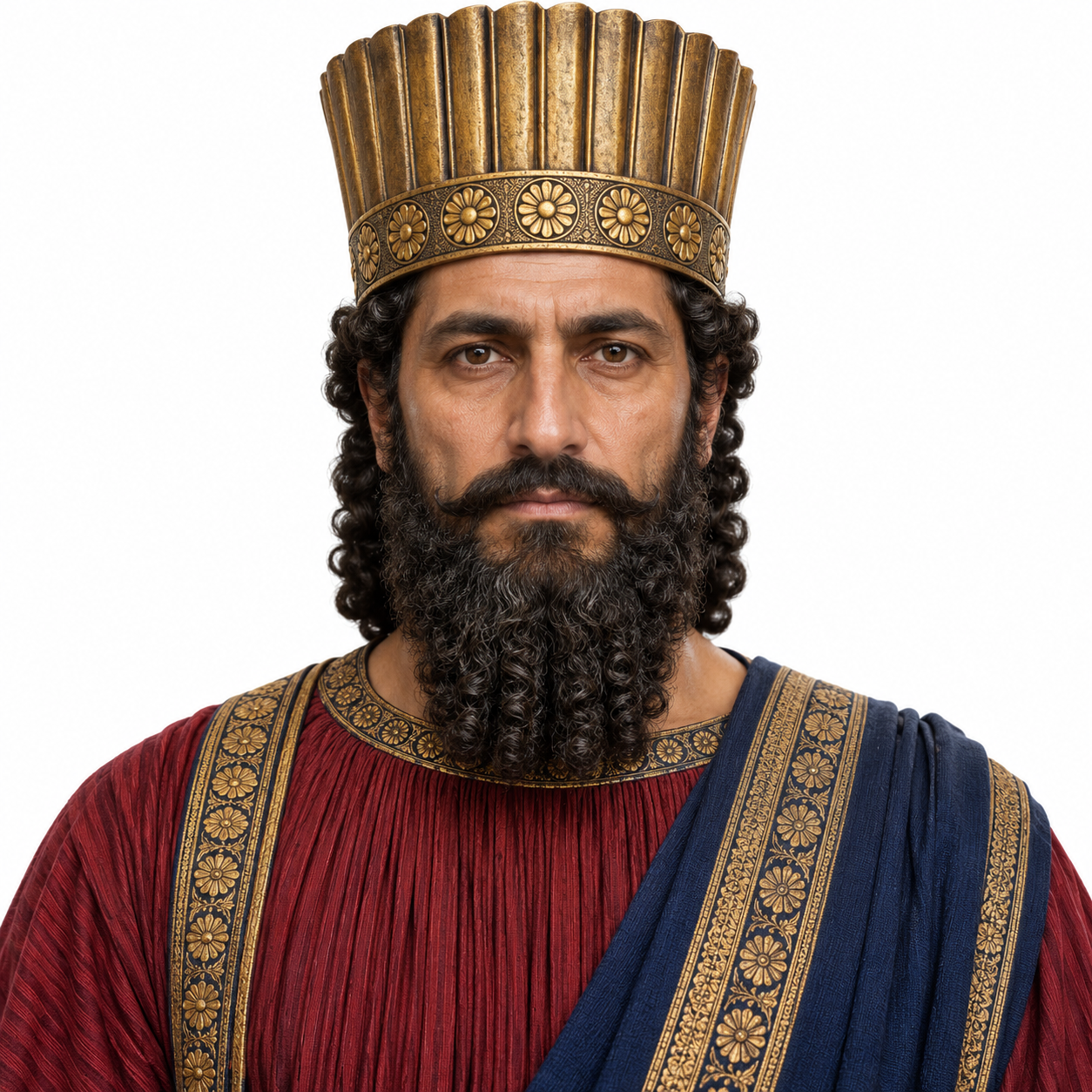
Achaemenid King of Kings who launched a massive invasion of Greece and built monumental structures at Persepolis.
At a glance
- Born
- c. 518 BCE
- Died
- 465 BCE
- Era classification
- 53
- Homeland
- Persia
- Period
- Achaemenid Empire
- Field
- Politics, Leadership & War
- Language
- Old Persian
- Religion
- Zoroastrianism
- Gender
- male
Biography
Xerxes I, also known as Xerxes the Great, was born around 518 BCE to Darius the Great and Atossa, the daughter of Cyrus the Great. Inheriting the throne of the Achaemenid Empire in 486 BCE, he took control of a vast territory at the absolute peak of its geographical expansion. His early reign was marked by the swift and ruthless suppression of revolts in Egypt and Babylon, solidifying his absolute authority over the empire.
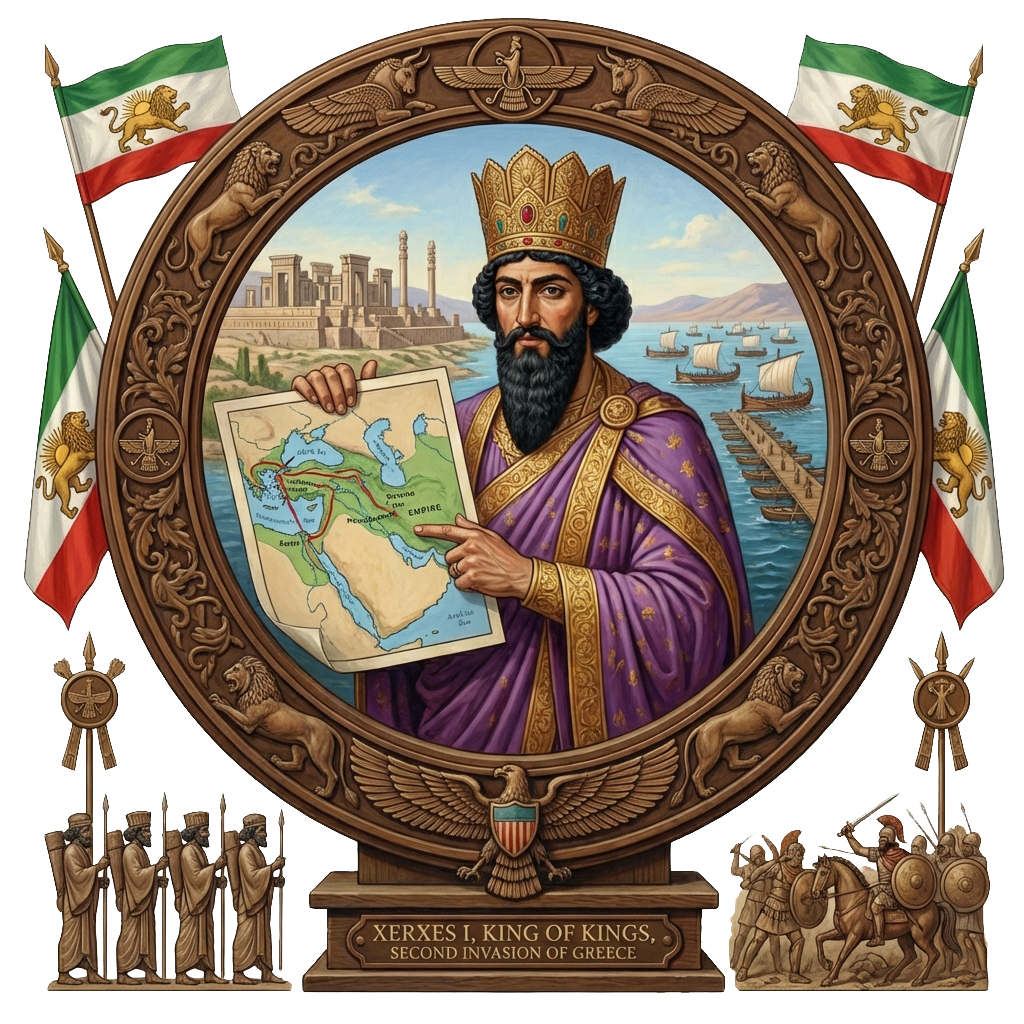
Xerxes is most famously remembered in Western history for his massive military expedition against Greece in 480 BCE, launched to avenge his father's defeat at the Battle of Marathon. He assembled one of the largest armies of the ancient world, achieving remarkable engineering feats such as bridging the Hellespont with boats and cutting a canal through the isthmus of Mount Athos. Though he achieved early victories, including the famous defeat of the Spartans at Thermopylae and the subsequent sacking of Athens, his naval fleet was decisively crushed at the Battle of Salamis, forcing him to withdraw the bulk of his forces to Asia.
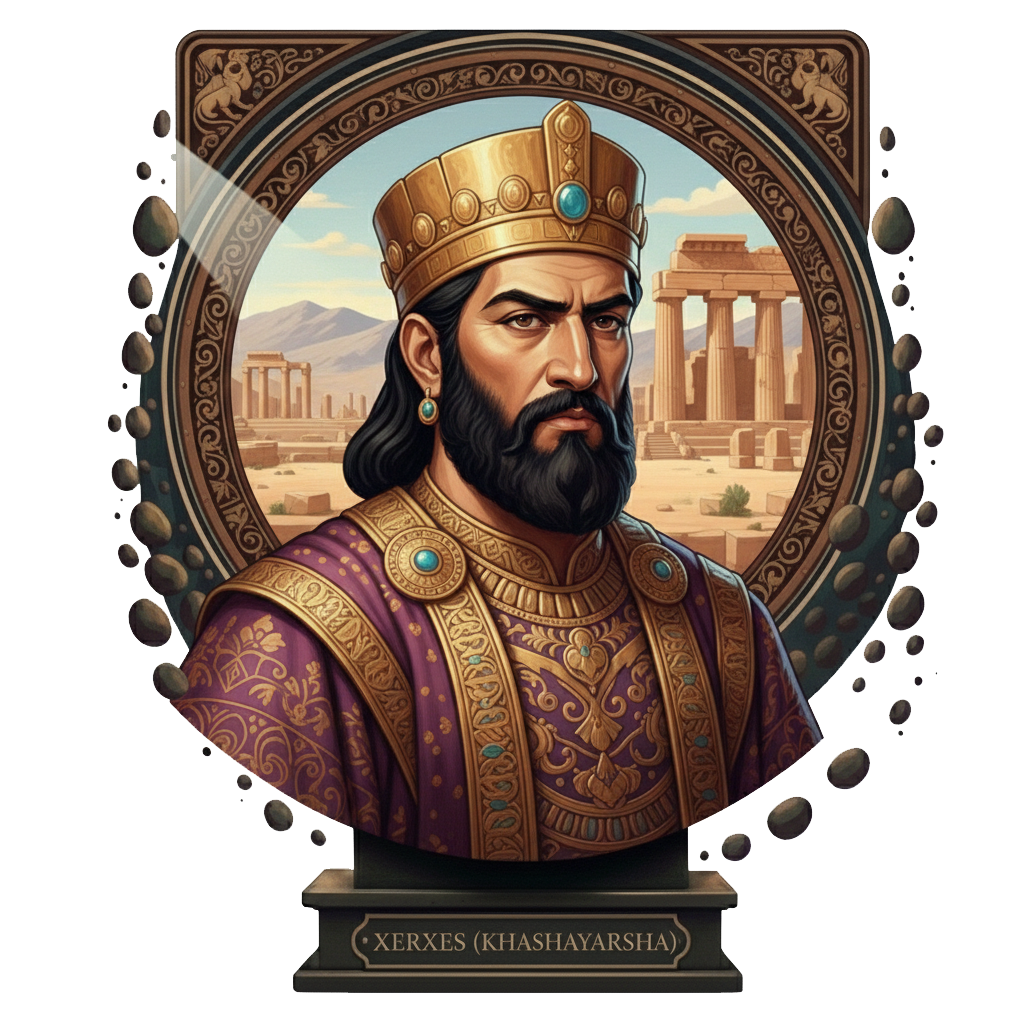
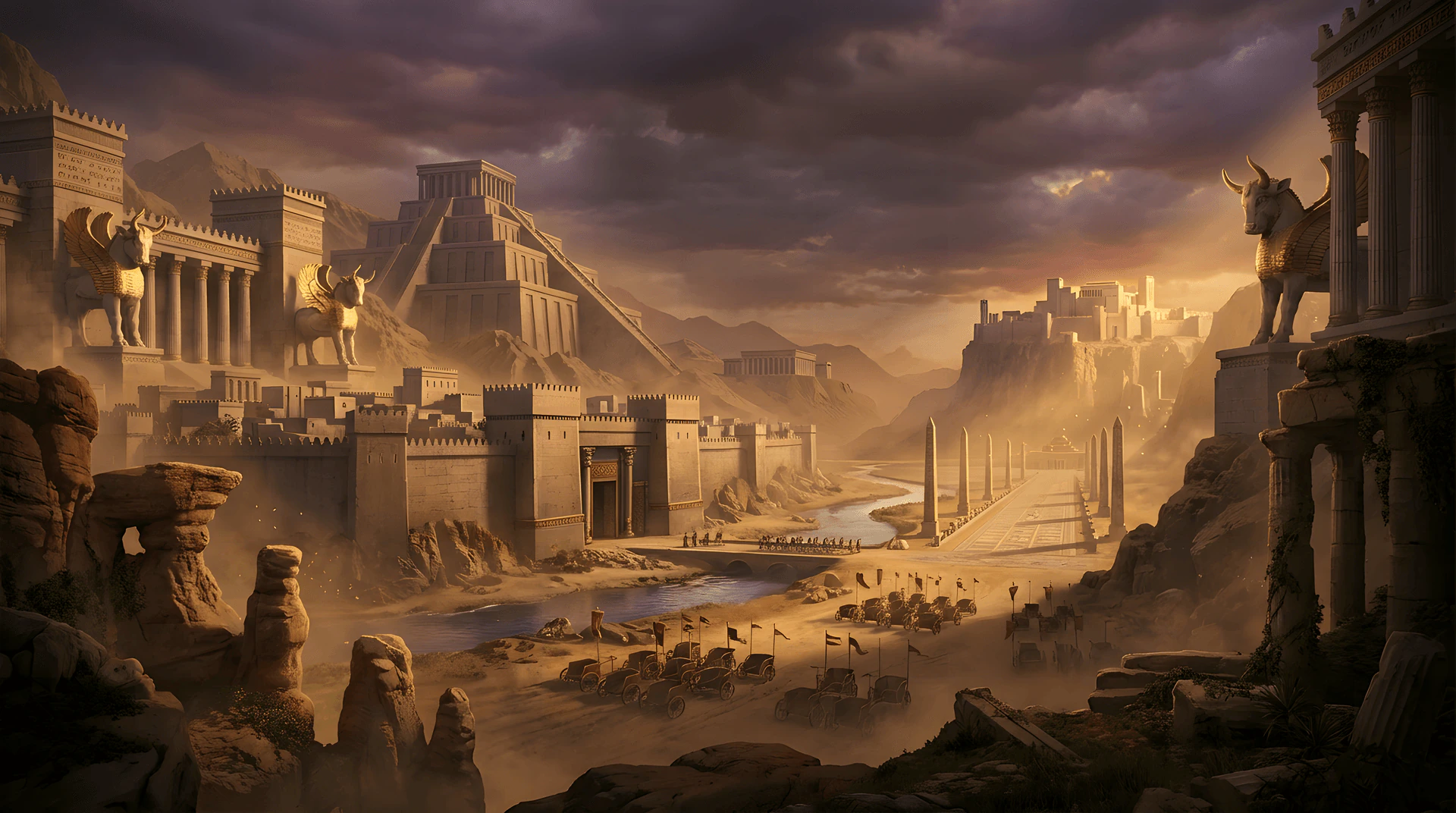
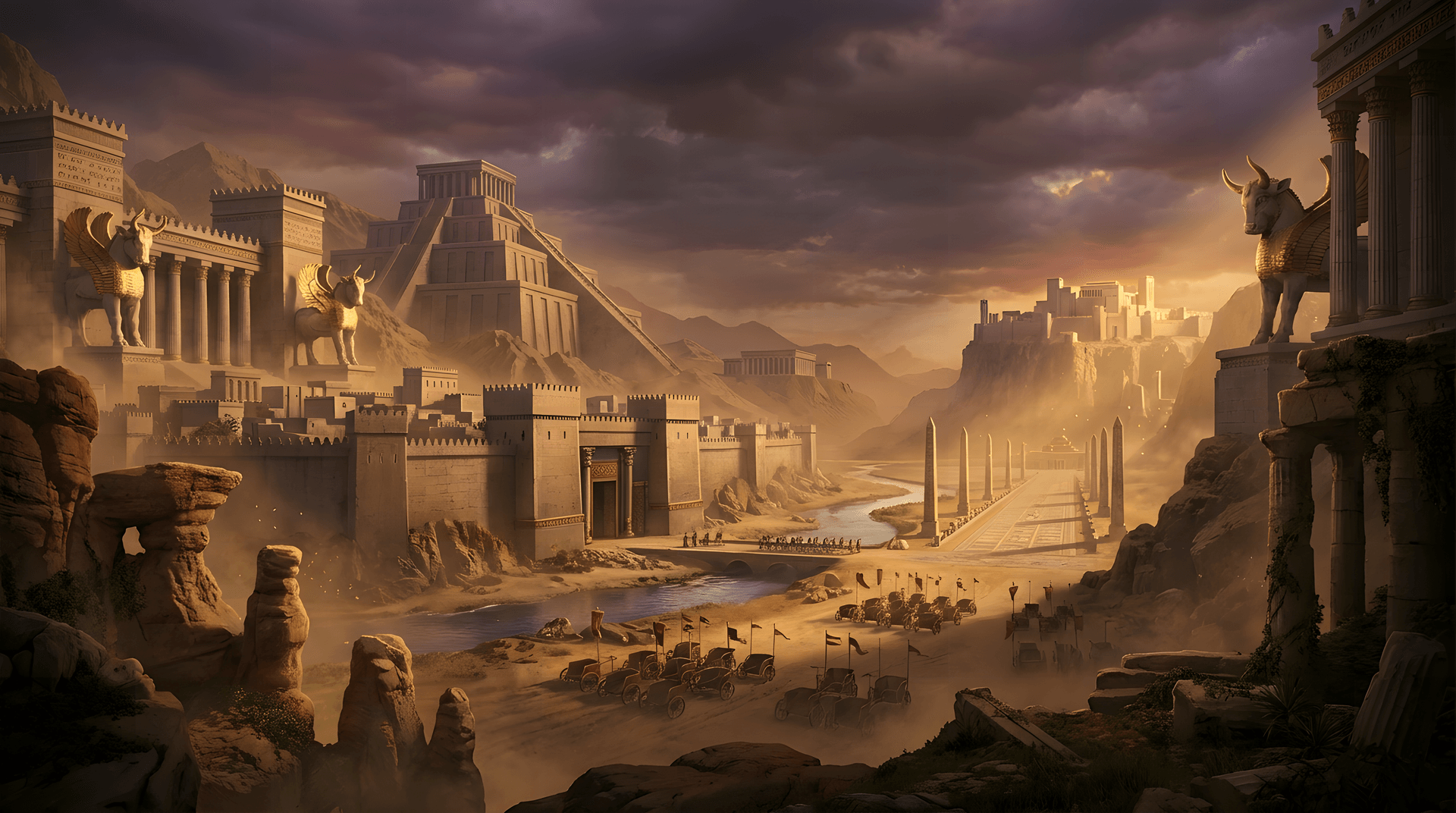
Following the Greek campaign, Xerxes returned to Persia and dedicated the remainder of his reign to monumental architectural projects. He heavily expanded the ceremonial capital of Persepolis, completing the Apadana (Audience Hall) and the Palace of Darius, which his father had begun. Furthermore, he commissioned his own magnificent palace, the Hall of a Hundred Columns, and the iconic Gate of All Nations, leaving an indelible mark on Persian art and architecture.
In 465 BCE, after a reign characterized by both unprecedented imperial grandeur and significant military setbacks, Xerxes was assassinated by Artabanus, the commander of his royal bodyguard, during a palace coup. While Greek historians like Herodotus often depicted him as a hubristic and volatile tyrant, Persian inscriptions and archaeological evidence reveal a devout Zoroastrian and a prolific builder who successfully administered the largest empire the ancient world had yet seen.
Portrayal characteristics
Saved editorial descriptions used for the reconstruction; these are not authenticated statements by the depicted person.
- Ambitious
- Grandiose
- Authoritative
- Determined
- Architectural Patron
Images & artwork 5
Connections
Alexander the Great
Historical Rivalry
Alexander framed his invasion of the Persian Empire as a pan-Hellenic crusade to avenge Xerxes' invasion of Greece.
The symbolic burning of the palace at Persepolis by Alexander's forces was widely interpreted as a final act of retribution for Xerxes' destruction of the Athenian Acropolis over a century earlier.
Cyrus the Great
Grandfather & Predecessor
Xerxes was the grandson of Cyrus the Great through his mother, Atossa, the daughter of Cyrus.
Xerxes's lineage from Cyrus was a crucial component of his royal legitimacy. As the third major ruler of the Achaemenid Empire, he inherited the vast territories and the imperial ideology established by his grandfather.
Darius the Great
Father & Predecessor
Darius the Great was the father of Xerxes I, whom he designated as his successor to the Persian throne.
Darius spent much of his later reign preparing Xerxes for leadership, including involving him in the administration of the empire. Xerxes inherited his father's ambitious projects, including the construction of Persepolis and the planned invasion of Greece.
Darius the Great
Father & Son
Xerxes I was the son and successor of Darius the Great, inheriting the Achaemenid Empire at its territorial peak.
Xerxes spent the early years of his reign suppressing revolts in Egypt and Babylon that had begun under his father, before continuing Darius's planned invasion of Greece to avenge the Persian defeat at Marathon.
Cyrus the Great
Grandfather & Grandson
Xerxes was the grandson of Cyrus the Great through his mother, Atossa.
His lineage from Cyrus was central to his legitimacy as Great King. Xerxes maintained the imperial structures and the capital of Persepolis that were founded on the legacy of Cyrus's original conquests.
Alexander the Great
Historical Successor & Conqueror
Alexander the Great eventually conquered the empire Xerxes had ruled, famously destroying the palace at Persepolis.
Alexander viewed himself as the successor to the Persian kings while simultaneously seeking to avenge the Persian invasions of Greece led by Xerxes over a century earlier.
Mohammad Reza Pahlavi
Historical Predecessor & Source of Legitimacy
The Shah invoked the legacy of Achaemenid kings like Xerxes the Great to legitimize his own rule, celebrating their ancient empire to project modern Iranian power.
Mohammad Reza Pahlavi sought to bypass the Islamic history of Iran by anchoring his regime's legitimacy in the ancient, pre-Islamic glory of the Achaemenid Empire. Xerxes the Great, who ruled over the empire at its territorial zenith and expanded the monumental complex at Persepolis, was a key figure in this historical narrative. During the extravagant 1971 celebrations marking 2,500 years of the Persian monarchy, the Shah utilized the ruins of Persepolis—heavily shaped by Xerxes's architectural ambitions—as the ultimate stage to showcase Iran's modern resurgence to the world. By associating his own reign with the imperial might of kings like Xerxes, the Shah attempted to foster a secular, nationalist pride among Iranians. However, this grandiose identification with ancient despots also served to highlight the Shah's own autocratic tendencies, alienating the religious establishment and the impoverished masses who felt disconnected from this revival of ancient imperial splendor.
Known for
- Second Persian invasion of Greece
- Battle of Thermopylae
- Bridging the Hellespont
- Construction of the Gate of All Nations
- Expansion of Persepolis
Episodes featuring or mentioning this figure
No eligible published episode featuring this figure is currently in the library.