



Nâzım Hikmet
Pioneering Turkish poet and playwright celebrated globally for his revolutionary lyrical style and modern free verse.
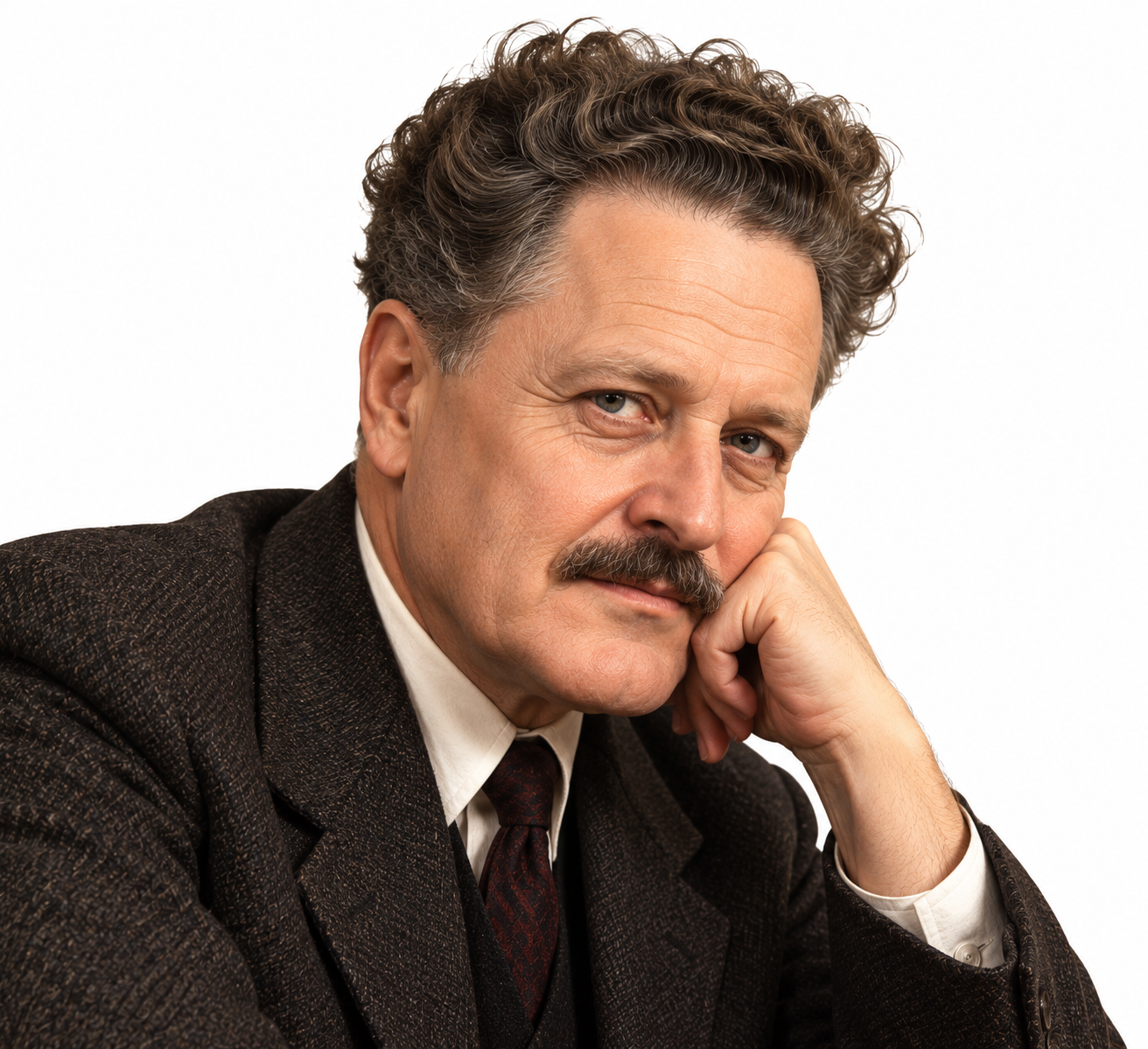
At a glance
- Born
- 1902 CE
- Died
- 1963 CE
- Era classification
- Modern
- Occupation
- Poet
- Homeland
- Ottoman Empire / Turkey
- Period
- 20th Century
- Field
- Poetry, Art & Ethics
- Language
- Turkish
- Religion
- Atheism
- Gender
- male
Biography
Nâzım Hikmet Ran was born in Salonica (now Thessaloniki, Greece) in 1902 into an aristocratic and cultured Ottoman family. Showing poetic talent at an early age, he initially supported the Turkish national movement during the War of Independence before traveling to the Soviet Union in the early 1920s to study economics and sociology at the Communist University of the Toilers of the East. In Moscow, he was deeply influenced by the artistic avant-garde, particularly Vladimir Mayakovsky and Russian Futurism, which inspired him to abandon traditional Ottoman syllabic meters in favor of dynamic, expressive free verse.
Upon his return to Turkey in 1928, Hikmet revolutionized modern Turkish poetry by introducing innovative forms, accessible everyday language, and politically engaged themes. His openly Marxist political beliefs and outspoken criticism of the authoritarian tendencies of the state, however, made him a constant target of judicial persecution. In 1938, he was sentenced to 28 years in prison on politically motivated charges of inciting rebellion in the military. Despite the harsh conditions of his long confinement in Bursa Prison, he produced some of his greatest literary masterpieces, including the epic poetic narrative 'Human Landscapes from My Country.'
Hikmet's plight sparked a massive international campaign led by figures such as Pablo Picasso, Jean-Paul Sartre, and Pablo Neruda, leading to his release via general amnesty in 1950. Facing ongoing surveillance, death threats, and a sudden draft call into the military despite failing health, he fled Turkey in 1951 and spent the remainder of his life in exile, living primarily in Moscow and traveling globally as a leading voice in the World Peace Council. He died of a heart attack in Moscow in 1963, leaving behind an enduring legacy as Turkey's most celebrated and universally translated 20th-century poet.
Portrayal characteristics
Saved editorial descriptions used for the reconstruction; these are not authenticated statements by the depicted person.
- Revolutionary
- Passionate
- Resilient
- Idealistic
- Eloquent
- Humanitarian
Images & artwork 1
Known for
- Pioneering modern Turkish free verse poetry
- Epic poetic work 'Human Landscapes from My Country'
- Anti-war poem 'I Come and Stand at Every Door' (The Hiroshima Girl)
- Receiving the International Peace Prize in 1950
- Inspiring global literary and political solidarity movements
Episodes featuring or mentioning this figure
No eligible published episode featuring this figure is currently in the library.