



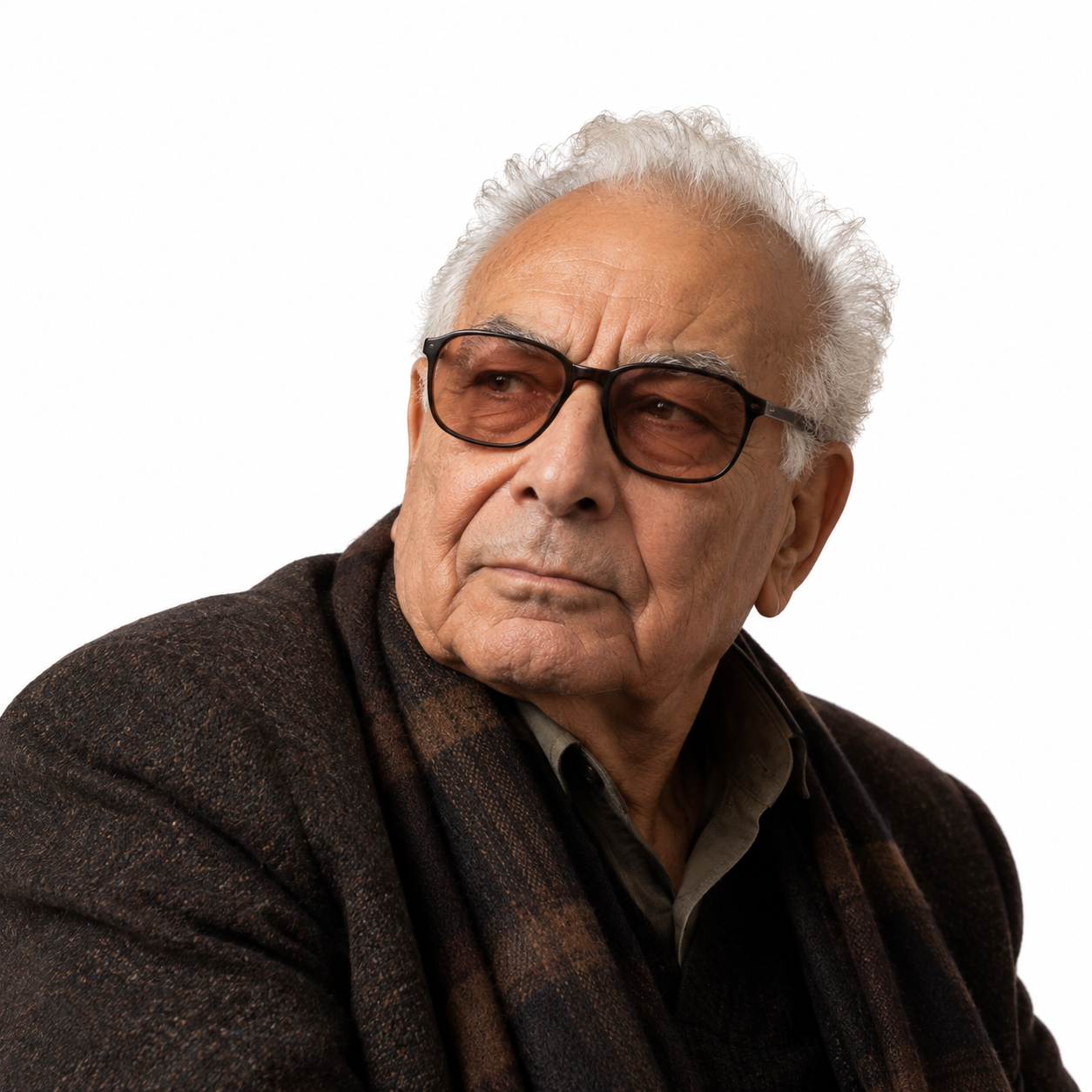
Yaşar Kemal
Master Turkish novelist renowned for portraying the struggles of Anatolian peasants and legendary outlaws.
At a glance
- Born
- 1923 CE
- Died
- 2015 CE
- Era classification
- Modern
- Occupation
- Novelist & Journalist
- Homeland
- Turkey
- Period
- 20th–21st century
- Field
- Poetry, Art & Ethics
- Language
- Turkish
- Religion
- Islam
- Gender
- male
Biography
Yaşar Kemal, born Kemal Sadık Gökçeli in 1923 in the village of Hemite in southern Turkey, rose from impoverished rural beginnings to become one of the most prominent figures in modern world literature. His childhood was marked by tragedy; he lost his right eye in an accident and witnessed the murder of his father in a mosque. Despite limited formal schooling, he developed a profound love for Turkish oral traditions, listening to wandering bards (aşıks) and collecting folk tales, laments, and epics across the Çukurova plain while working odd jobs as a cotton picker, tractor driver, and clerk.
Moving to Istanbul in the early 1950s, he adopted the pen name Yaşar Kemal and began working as an investigative journalist for the daily newspaper Cumhuriyet. In 1955, he published his masterpiece, 'İnce Memed' (Memed, My Hawk), an epic tale of a Robin Hood-like brigand who revolts against a tyrannical local landlord. The novel captured international attention, brought Anatolian realism to the global stage, and was eventually translated into more than forty languages, establishing Kemal as a master of lyrical prose and social critique.
Throughout his life, Kemal remained a staunch advocate for human rights, democracy, and cultural pluralism, particularly regarding Turkey's Kurdish minority. His outspoken socialist beliefs and criticism of state policies led to frequent political harassment, arrests, and trials by state security courts. Despite these pressures, he refused to compromise his vision, consistently defending freedom of expression and the dignity of marginalized peoples.
Kemal's prolific body of work spans dozens of novels, short stories, essays, and folkloric studies that immortalized the landscapes, myths, and human struggles of Anatolia. Repeatedly nominated for the Nobel Prize in Literature, he received numerous international awards, including the Legion of Honour and the Peace Prize of the German Book Trade, leaving behind an enduring legacy as a giant of 20th-century literature.
Portrayal characteristics
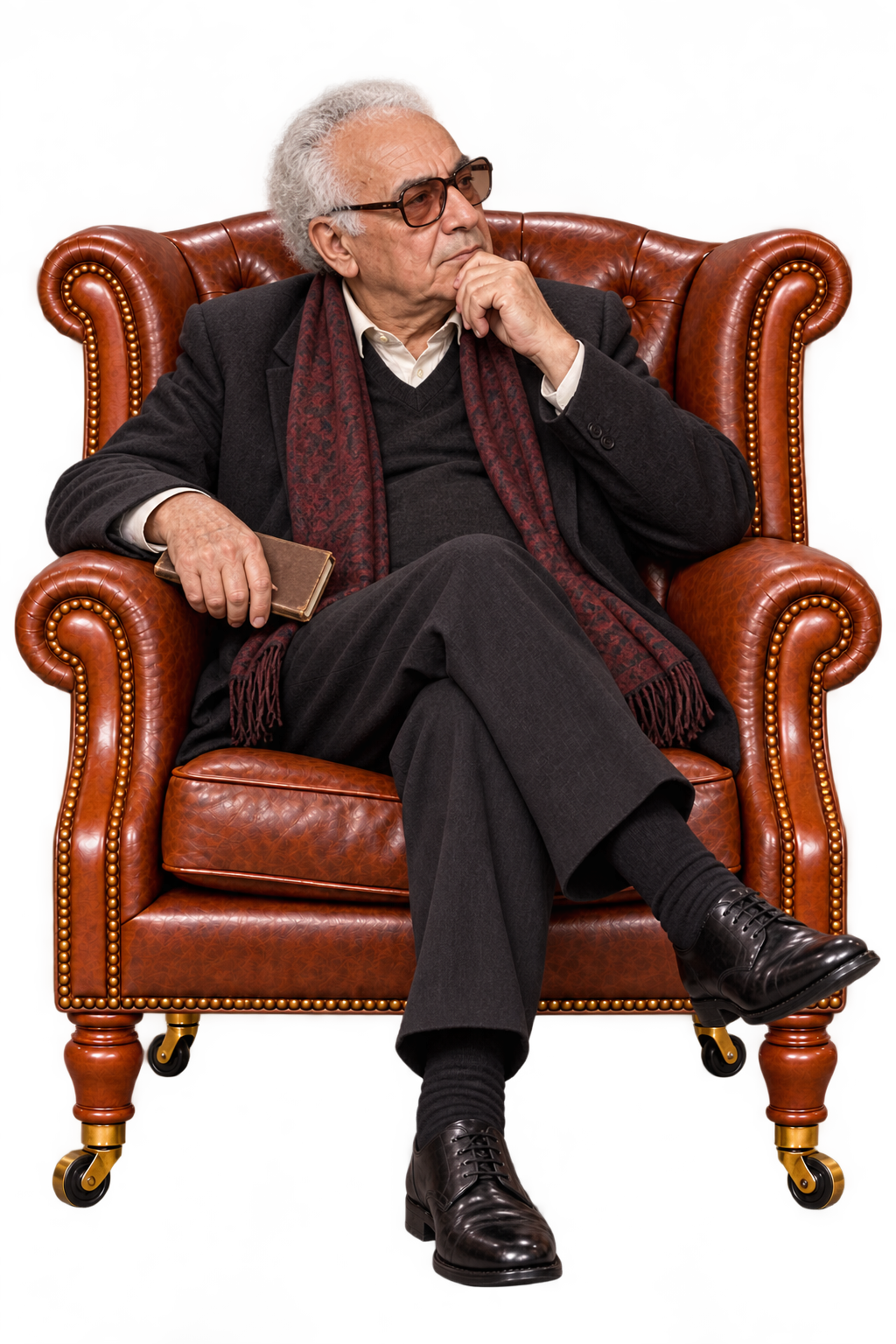
Saved editorial descriptions used for the reconstruction; these are not authenticated statements by the depicted person.
- Eloquent storyteller
- Socially conscious
- Resilient
- Humanitarian
- Folkloric
Images & artwork 4


Known for
- Author of the internationally acclaimed novel 'Memed, My Hawk' (İnce Memed)
- Pioneering Anatolian social realism in modern Turkish literature
- Perennial candidate for the Nobel Prize in Literature
- Lifelong advocacy for human rights, peace, and freedom of expression
- Preserving and elevating Anatolian oral traditions and folk ballads
Episodes featuring or mentioning this figure
No eligible published episode featuring this figure is currently in the library.