



John Cassavetes
Pioneer of American independent cinema renowned for his emotionally raw, actor-centered films and innovative methods.
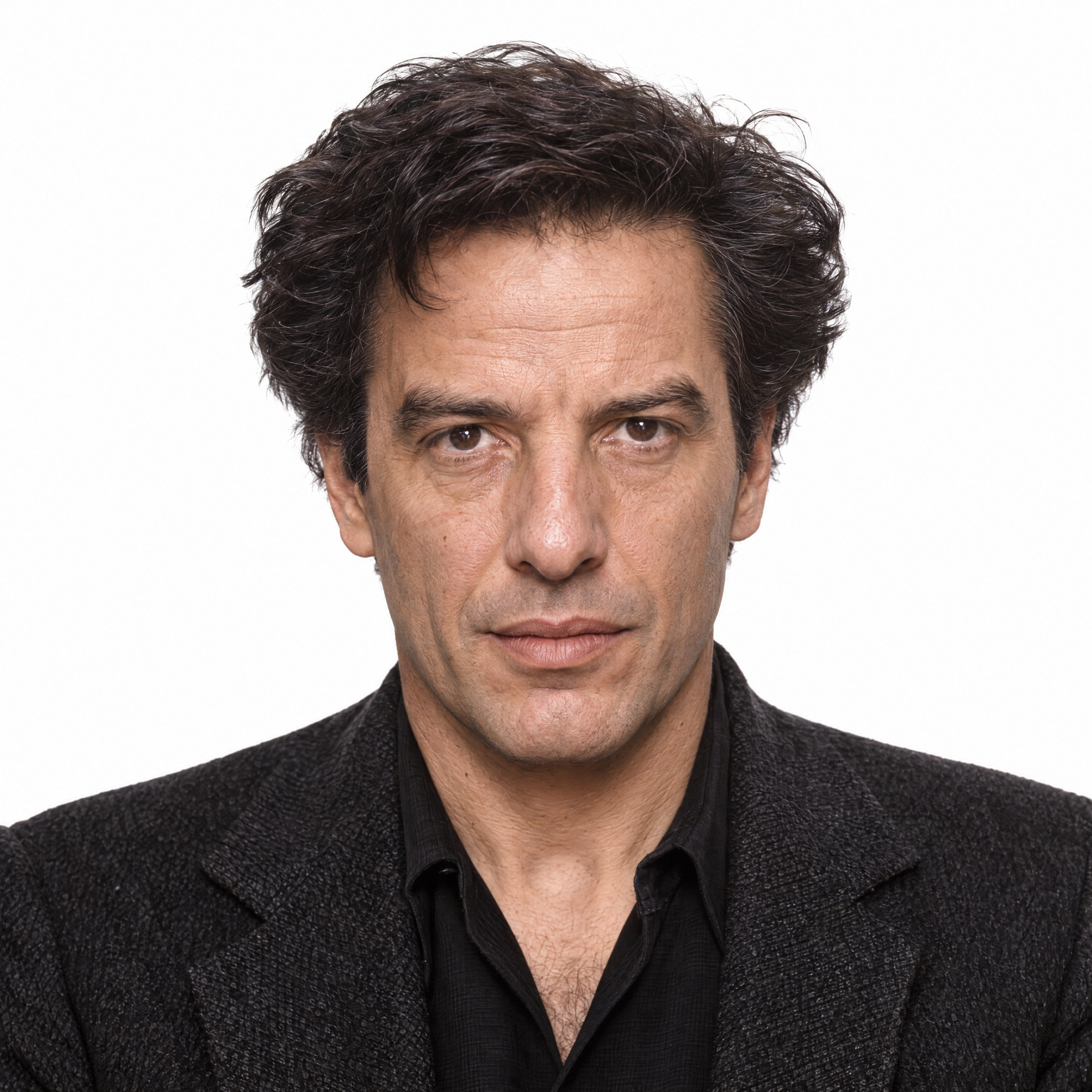
At a glance
- Born
- 1929 CE
- Died
- 1989 CE
- Era classification
- Modern
- Occupation
- Filmmaker and Actor
- Homeland
- United States
- Period
- 20th century
- Field
- Arts & Architecture
- Language
- English
- Religion
- Greek Orthodox
- Gender
- male
Biography
John Nicholas Cassavetes was born on December 9, 1929, in New York City to Greek immigrant parents. He spent his early childhood in Greece before returning to the United States, later attending the American Academy of Dramatic Arts. He began his career in the 1950s as a television and stage actor, gaining attention for his naturalistic performances. Frustrated by the commercial constraints and formulaic nature of mainstream Hollywood production, Cassavetes sought greater creative autonomy for actors and directors.
In 1959, Cassavetes made his directorial debut with 'Shadows', a low-budget, partially improvised feature shot on 16mm film that explored race and interpersonal relationships in Manhattan. Financed through acting fees, donations, and non-traditional funding, the film won the Critics' Award at the Venice Film Festival and established him as a founding figure of modern American independent cinema. To fund his subsequent directorial projects, Cassavetes continued to act in high-profile commercial films, earning an Academy Award nomination for his supporting role in 'The Dirty Dozen' (1967) and starring in Roman Polanski's 'Rosemary's Baby' (1968).
Throughout the late 1960s and 1970s, Cassavetes directed a sequence of landmark films including 'Faces' (1968), 'Husbands' (1970), 'A Woman Under the Influence' (1974), 'The Killing of a Chinese Bookie' (1976), and 'Opening Night' (1977). His productions relied heavily on a trusted ensemble of collaborators, most notably his wife and frequent muse Gena Rowlands, along with actors Peter Falk, Ben Gazzara, and Seymour Cassel. His working methods prioritized intense actor commitment, hand-held camera work, extended takes, and psychological realism that challenged conventional narrative pacing.
Cassavetes's refusal to compromise his artistic vision created tension with major studios, but it solidified his reputation as an uncompromising auteur who retained ownership and distribution control over his masterworks whenever possible. He died on February 3, 1989, at the age of 59 from complications of cirrhosis. His body of work remains a profound influence on independent filmmakers worldwide, admired for its relentless pursuit of emotional truth and human vulnerability.
Portrayal characteristics
Saved editorial descriptions used for the reconstruction; these are not authenticated statements by the depicted person.
- Independent-minded
- Collaborative
- Tenacious
- Emotionally expressive
- Innovative
Images & artwork 1
Known for
- Pioneering American independent cinema
- Directing 'A Woman Under the Influence'
- Directing 'Shadows' and 'Faces'
- Acting in 'Rosemary's Baby' and 'The Dirty Dozen'
- Developing actor-driven, naturalistic film techniques
Episodes featuring or mentioning this figure
No eligible published episode featuring this figure is currently in the library.