



Jacques Derrida
Algerian-born French philosopher who developed deconstruction, revolutionizing 20th-century critical theory.
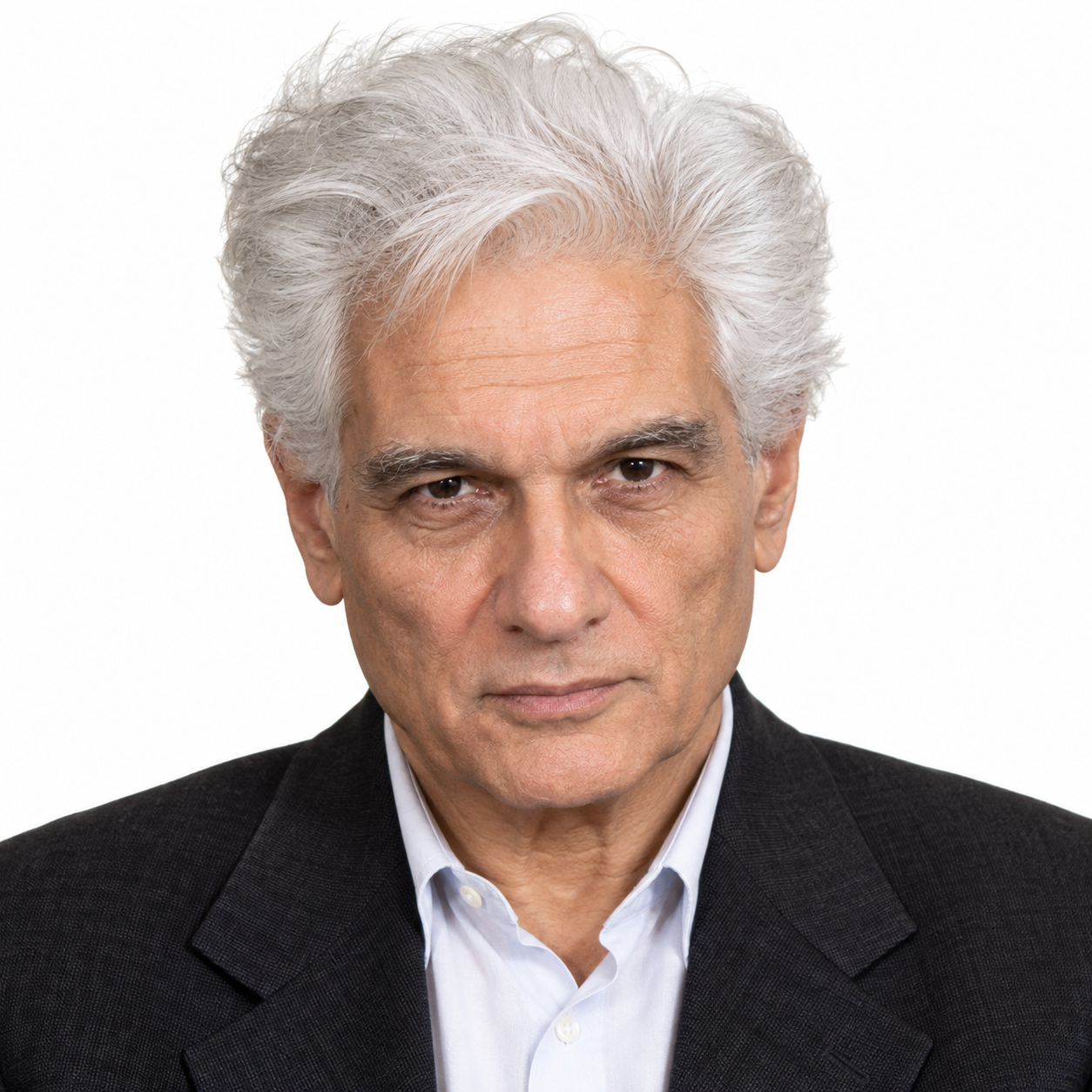
At a glance
- Born
- 1930 CE
- Died
- 2004 CE
- Era classification
- Modern
- Occupation
- Philosopher
- Homeland
- France
- Period
- 20th–21st Century
- Field
- Philosophy & Ideology
- Language
- French
- Religion
- Secular Judaism
- Gender
- male
Biography
Jacques Derrida was born in El Biar, French Algeria, in 1930 into an Algerian Jewish family. Experiencing systemic exclusion under the Vichy regime, which stripped him of his French citizenship during his school years, he developed a lifelong skepticism toward rigid institutional authorities and fixed cultural identities. Moving to Paris in 1949, he gained admission to the prestigious École Normale Supérieure, where he studied philosophy alongside mentors such as Louis Althusser and Michel Foucault.
In 1967, Derrida achieved international intellectual prominence with the near-simultaneous publication of three groundbreaking works: 'Of Grammatology', 'Writing and Difference', and 'Speech and Phenomena'. In these texts, he introduced deconstruction—a rigorous method of textual interrogation designed to expose the internal contradictions, binary hierarchies, and foundational assumptions embedded in Western philosophical thought.
Derrida critically challenged what he identified as the 'metaphysics of presence' and 'logocentrism', demonstrating that linguistic meaning is never absolute, self-contained, or static. He famously coined the concept of 'différance' to capture how meaning is continuously differentiated and deferred. Over the subsequent decades, his scholarship expanded beyond literary criticism into urgent political and ethical inquiries, addressing themes such as unconditional hospitality, justice, mourning, and forgiveness.
Throughout his later career, Derrida held prominent academic posts at the École des Hautes Études en Sciences Sociales in Paris and taught extensively at American universities, including Yale and the University of California, Irvine. While drawing significant controversy from analytic philosophers, his radical insights transformed literary theory, architecture, law, and continental philosophy before his death in Paris in 2004.
Portrayal characteristics
Saved editorial descriptions used for the reconstruction; these are not authenticated statements by the depicted person.
- Incisive
- Radical
- Intellectual
- Prolific
- Controversial
- Subtle
Images & artwork 4



Known for
- Founding the philosophical strategy of Deconstruction
- Authoring 'Of Grammatology'
- Critique of Logocentrism and the Metaphysics of Presence
- Coining the concept of 'Différance'
- Profoundly influencing Post-structuralism and Critical Theory
Episodes featuring or mentioning this figure
No eligible published episode featuring this figure is currently in the library.