



Augustine of Hippo
Influential theologian and philosopher whose writings shaped Western Christianity and intellectual history.
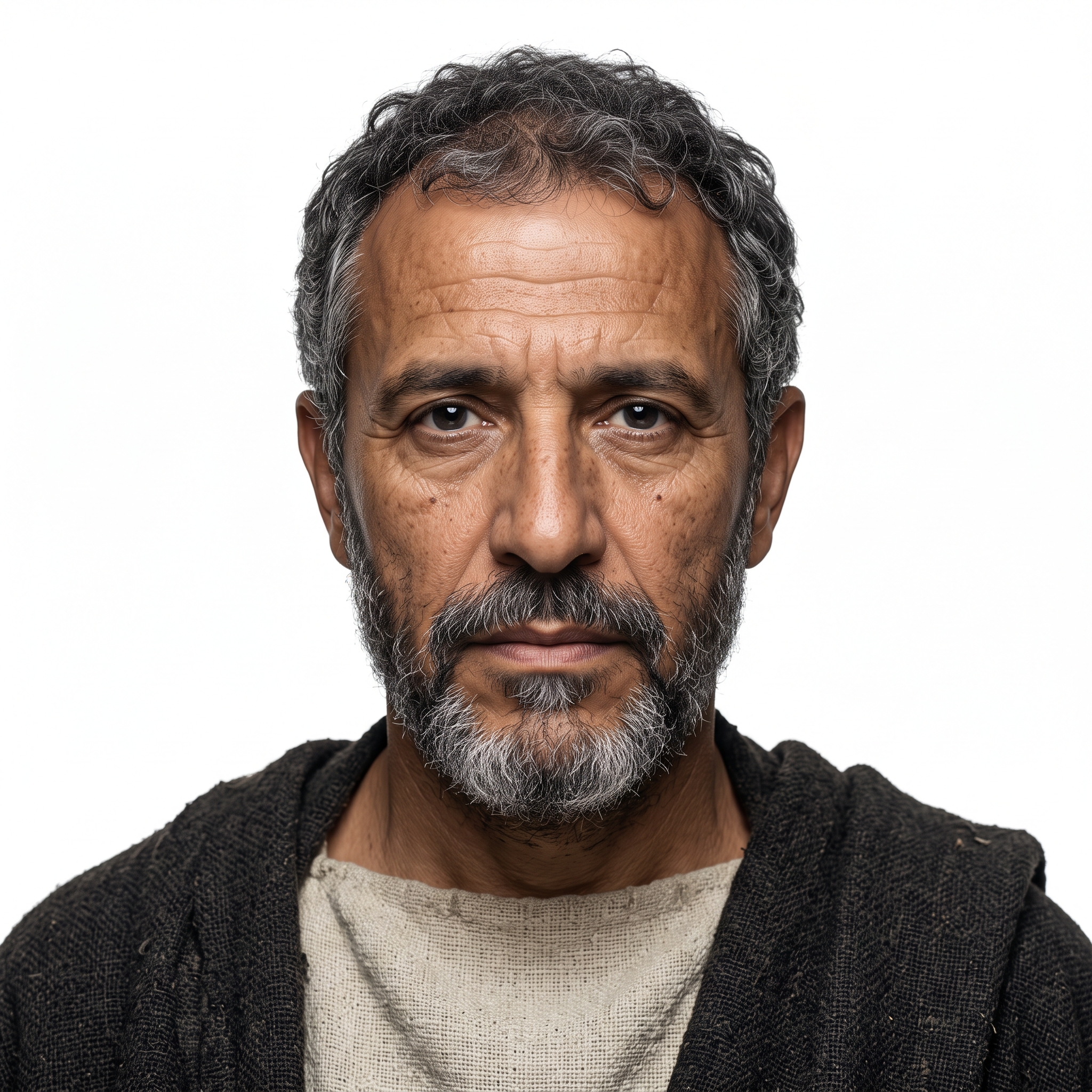
At a glance
- Born
- 354 CE
- Died
- 430 CE
- Era classification
- Ancient
- Occupation
- Philosopher
- Homeland
- Numidia (Roman Empire)
- Period
- Late Antiquity (4th–5th Century CE)
- Field
- Philosophy & Ideology
- Language
- Latin
- Religion
- Christianity
- Gender
- male
Biography
Augustine of Hippo, originally Aurelius Augustinus, was born in 354 CE in Thagaste, Numidia (modern-day Algeria). Raised by a Christian mother, Monica, and a pagan father, Patricius, Augustine received a classical education in rhetoric in Carthage. In his youth, he led a hedonistic lifestyle while deeply searching for truth, leading him to adhere to Manichaeism for nearly a decade and later embrace philosophical skepticism.
After moving to Rome and then Milan to teach rhetoric, Augustine came under the intellectual and spiritual influence of Bishop Ambrose and Neo-Platonic philosophy. This intellectual awakening culminated in his dramatic spiritual conversion to Christianity in 386 CE, famously recorded in his autobiographical masterpiece, 'Confessions'. He was baptized the following year, renounced his secular career, and returned to North Africa to pursue a life of monastic contemplation.
In 395 CE, Augustine was consecrated as the Bishop of Hippo Regius, a position he held until his death. As bishop, he proved to be an indefatigable shepherd, administrator, and polemicist. He spent decades defending orthodox Christian doctrine against prominent theological movements of his day, notably Donatism and Pelagianism, through which he systematized foundational Western views on grace, free will, and original sin.
Augustine died in 430 CE during the Vandal siege of Hippo. His vast corpus of writings, most notably 'The City of God' and 'On the Trinity', exerted an immeasurable influence on medieval scholasticism, the Protestant Reformation, and modern Western philosophy, establishing him as one of the most significant thinkers in human history.
Portrayal characteristics
Saved editorial descriptions used for the reconstruction; these are not authenticated statements by the depicted person.
- Intellectually introspective
- Eloquent rhetorician
- Deeply spiritual
- Doctrinally rigorous
- Philosophically systematic
Images & artwork 4
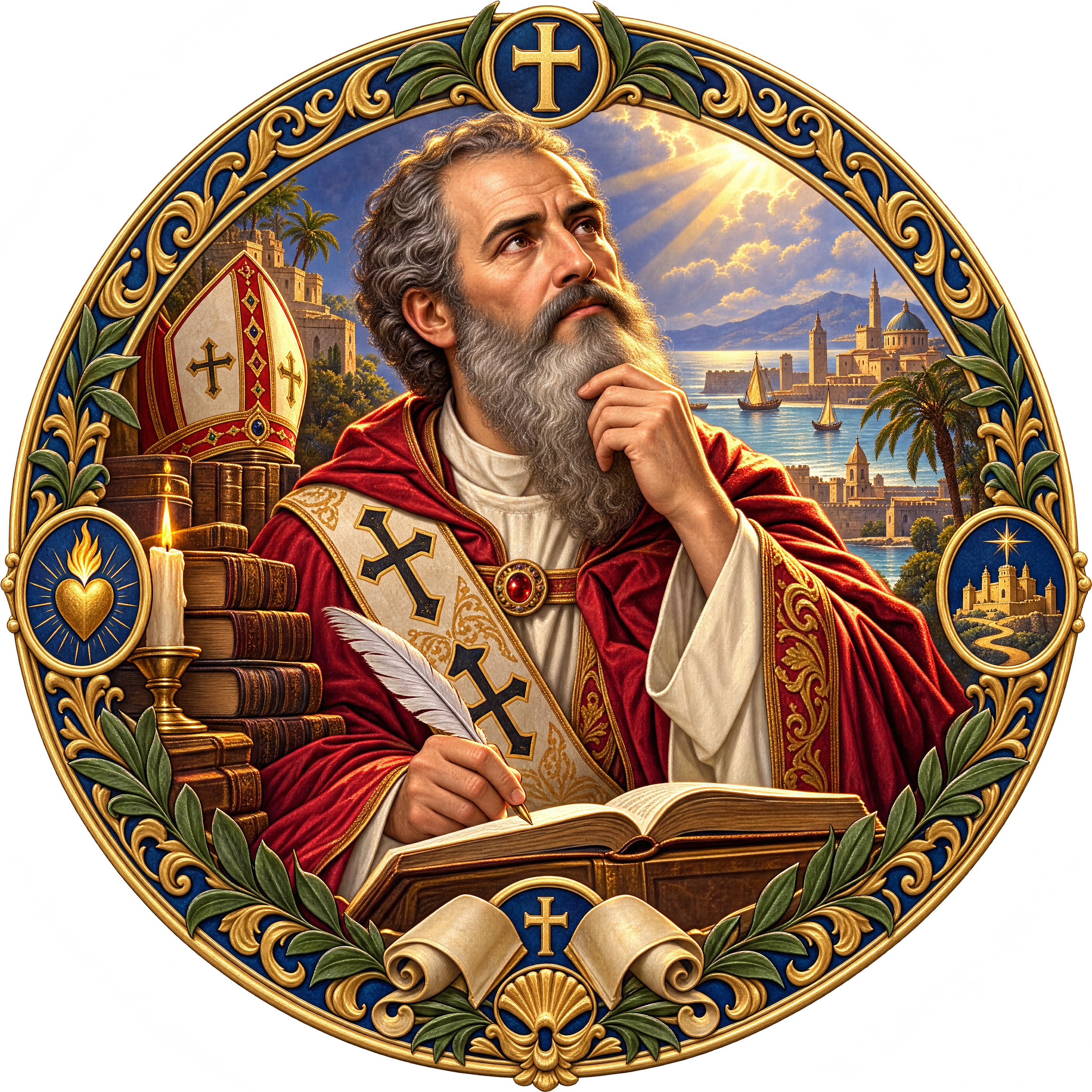


Known for
- Authoring 'Confessions'
- Authoring 'The City of God'
- Formulating the Western doctrine of Original Sin
- Developing Just War theory
- Synthesizing Christian theology with Neo-Platonism
Episodes featuring or mentioning this figure
No eligible published episode featuring this figure is currently in the library.