



Ada Lovelace
An English mathematician known for her work on the Analytical Engine and writing the first computer program.

At a glance
- Born
- 1815 CE
- Died
- 1852 CE
- Era classification
- Modern
- Homeland
- United Kingdom
- Period
- 19th Century
- Field
- Mathematics & Logic
- Language
- English
- Religion
- Anglican
- Gender
- female
Biography
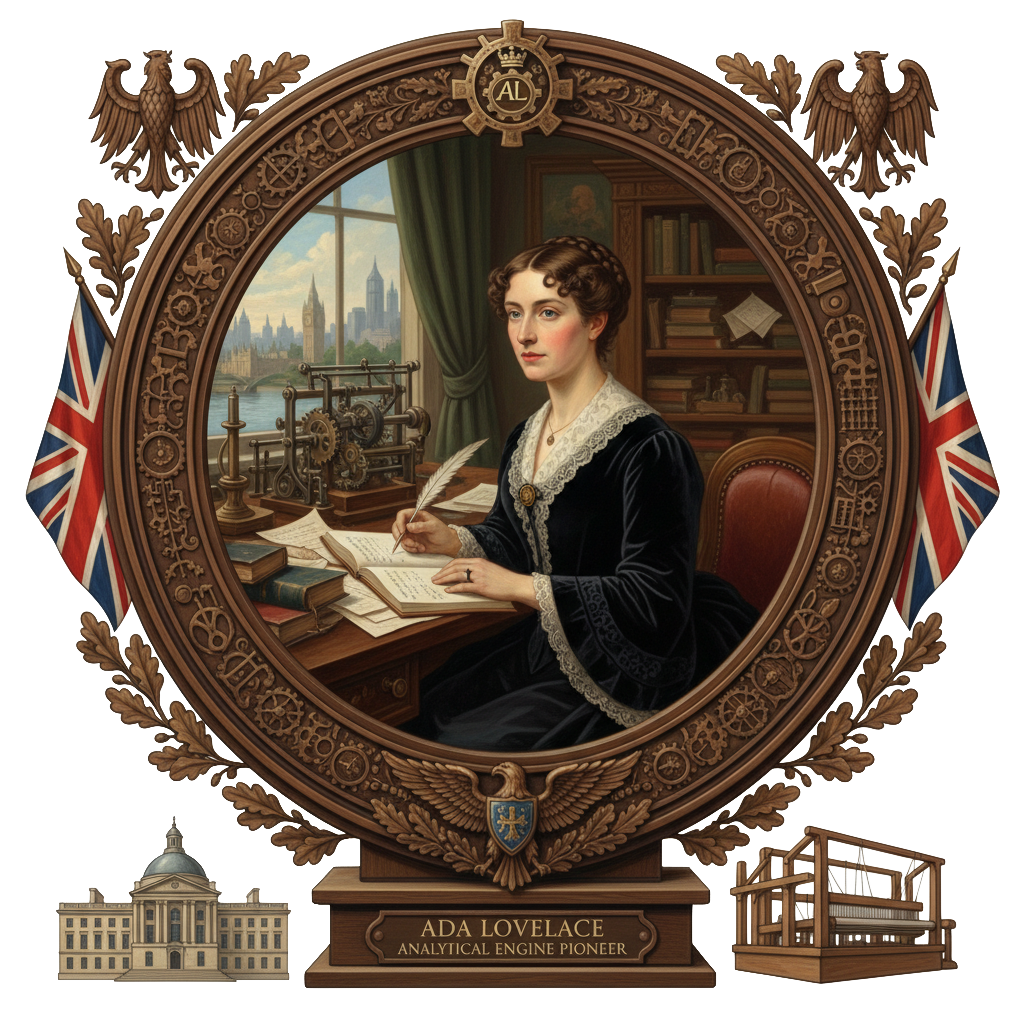
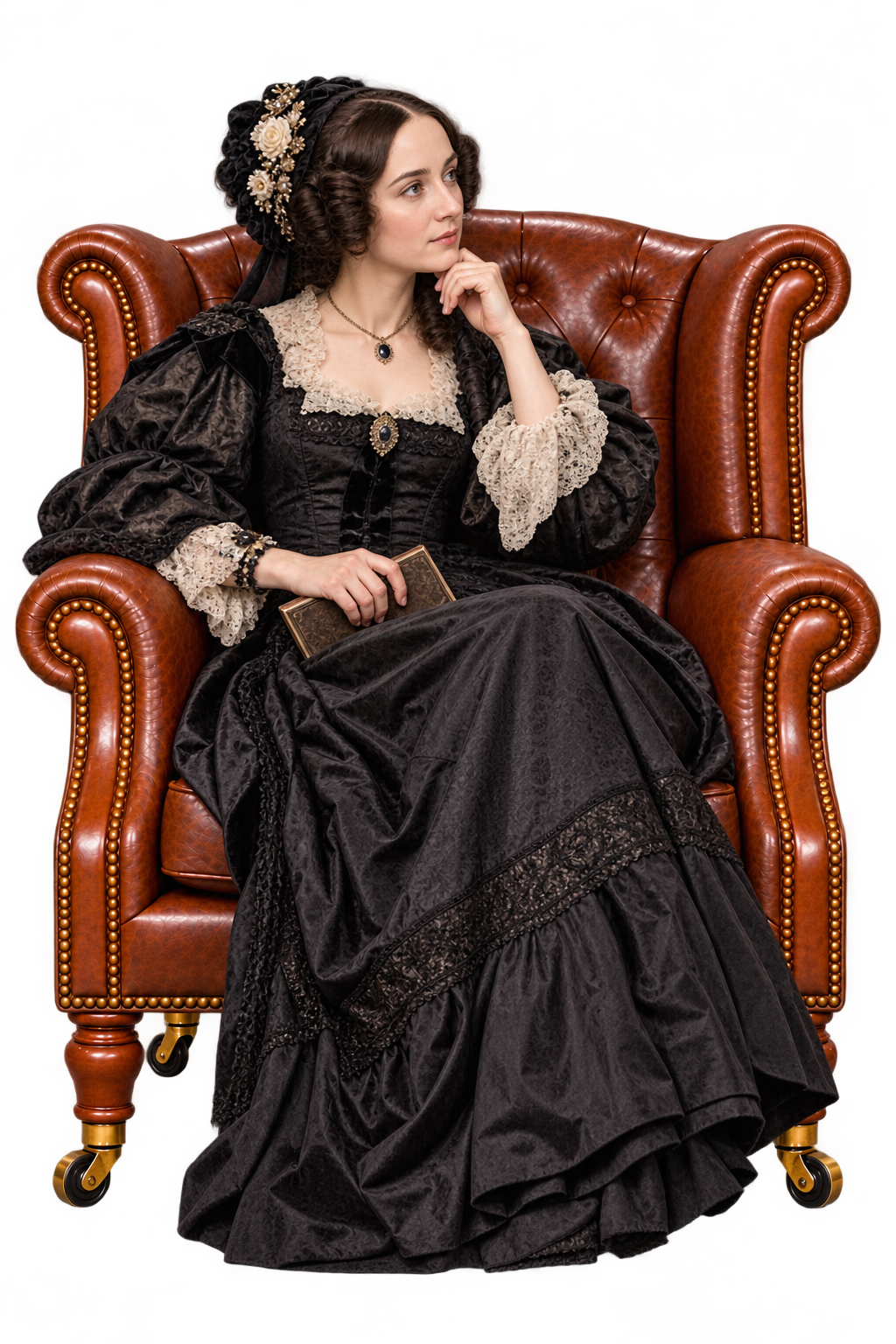
Ada Lovelace was the daughter of the poet Lord Byron and the mathematically gifted Anne Isabella Milbanke. Encouraged by her mother to pursue logic and mathematics, she developed a deep intellectual curiosity that led her to collaborate with Charles Babbage, the inventor of the Analytical Engine.
She is best known for her extensive notes on Babbage's proposed mechanical computer. In these notes, she described an algorithm for calculating Bernoulli numbers, which is widely recognized as the first computer program ever written for a machine. Her insights into the potential of computing were far ahead of her time.
Lovelace possessed a unique vision she called 'poetical science,' believing that machines could go beyond simple calculation to create art or music if programmed correctly. Her work laid the conceptual foundations for modern computing, earning her a place as a pioneer of the digital age.
Portrayal characteristics
Saved editorial descriptions used for the reconstruction; these are not authenticated statements by the depicted person.
- Analytical
- Visionary
- Mathematical
- Creative
Images & artwork 6


Known for
- First computer program
- Notes on the Analytical Engine
- Vision of non-numerical computing
Episodes featuring or mentioning this figure
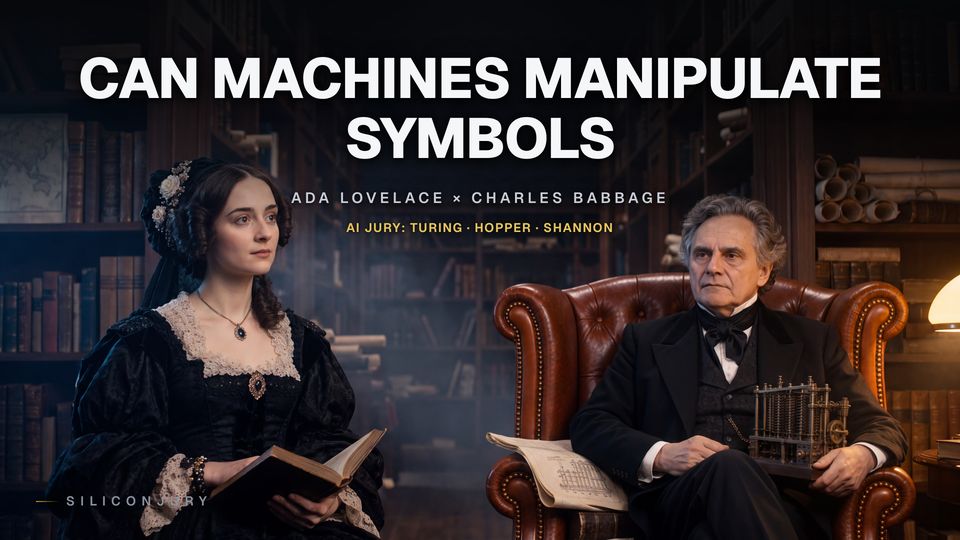
Ada Lovelace vs Charles Babbage: Calculating Numbers or Weaving Symbols?
AI jury: 3 members
Was the Analytical Engine conceived merely to automate numerical calculations for printed mathematical tables, or did it establish the foundational principles of universal…