



Shah Ismail I
Founder of the Safavid dynasty who unified Iran and established Twelver Shi'ism as the official state religion.
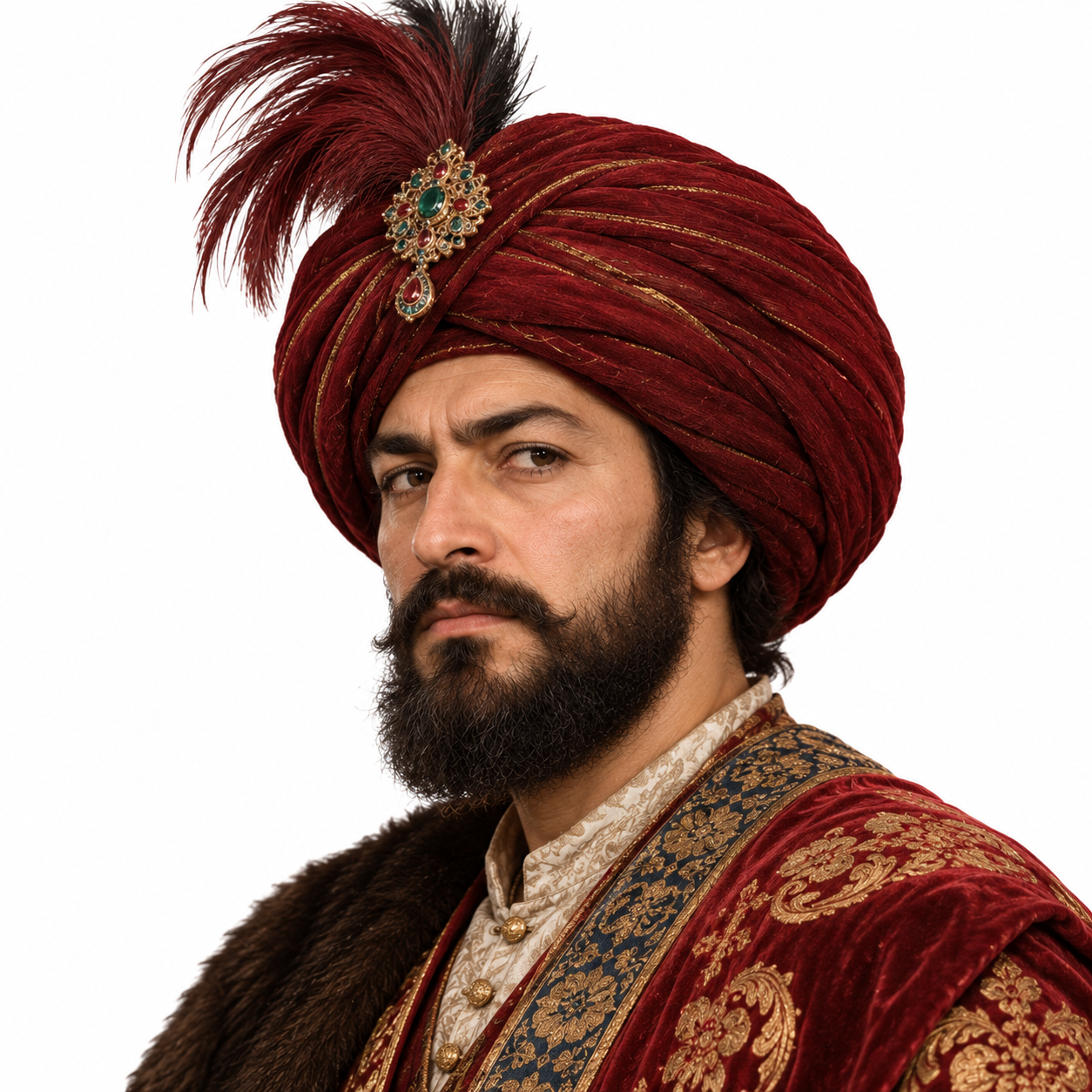
At a glance
- Born
- 1487 CE
- Died
- 1524 CE
- Era classification
- Early Modern
- Occupation
- King / Queen / Emperor
- Homeland
- Iran
- Period
- 1487–1524 CE
- Field
- Politics, Leadership & War
- Language
- Azerbaijani Turkic
- Religion
- Islam (Twelver Shia)
- Gender
- male
Biography
Ismail I was born in Ardabil in 1487 into the leadership of the Safaviyya, a Sufi order founded by his ancestor Shaykh Safi al-Din. Following the deaths of his father, Shaykh Haydar, and his older brother in conflicts with local Turkmen confederations, Ismail spent several years in hiding in Gilan. In 1499, at the age of twelve, he emerged from concealment and rallied the Qizilbash, a coalition of Turkic tribal warriors devoted to the Safavid spiritual lineage. Through a rapid series of campaigns against the Shirvanshahs and the Aq Qoyunlu, he captured Tabriz in 1501, where he proclaimed himself Shah.
Upon his enthronement, Ismail proclaimed Twelver Shia Islam as the compulsory state religion of an empire that was predominantly Sunni. He enforced this policy through institutional administrative measures, the importation of Shi'ite scholars from Lebanon, Bahrain, and southern Iraq, and the suppression of Sunni opposition. Over the next decade, his forces annexed the central Iranian plateau, Fars, Khorasan, and parts of Mesopotamia, effectively consolidating Iranian territory under unified domestic authority for the first time since the fall of the Sasanian Empire centuries earlier.
Ismail's territorial expansion and religious influence among Anatolian tribes brought him into direct confrontation with the neighboring Ottoman Empire. In 1514, Ottoman Sultan Selim I launched an invasion that culminated in the Battle of Chaldiran. Ismail's cavalry was decisively defeated by Ottoman firearms and artillery, resulting in the temporary loss of Tabriz and the permanent loss of eastern Anatolia. The defeat diminished Ismail's reputation for divine favor, prompting him to largely withdraw from active battlefield command and dedicate his remaining years to civil governance and court patronage.
In addition to his political and military career, Ismail was an accomplished poet who composed under the pen name Khatai. Writing primarily in Azerbaijani Turkic as well as Persian, his surviving divan reflects Sufi mysticism, Alid devotion, and imperial symbolism. Ismail died in 1524 at the age of thirty-six, leaving behind an institutional, geographic, and religious framework that laid the foundation for modern Iranian statehood.
Portrayal characteristics
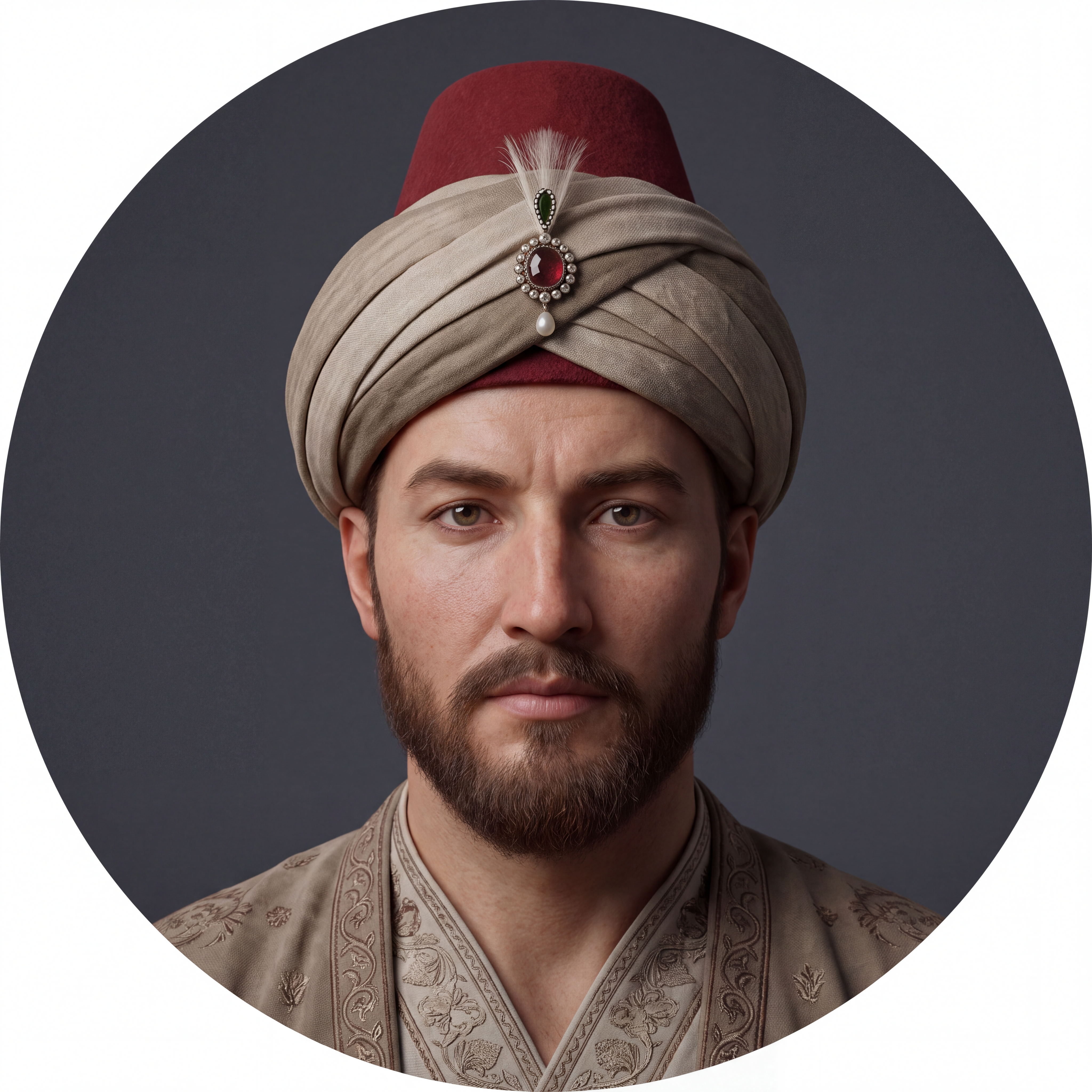
Saved editorial descriptions used for the reconstruction; these are not authenticated statements by the depicted person.
- Charismatic
- Martial
- Determined
- Ideologically zealous
- Artistic
Images & artwork 2
Known for
- Founding the Safavid Empire
- Establishing Twelver Shi'ism as the state religion of Iran
- Reunifying the Iranian lands under centralized domestic rule
- Leading the Qizilbash military campaigns
- Composing classical poetry under the pen name Khatai
Episodes featuring or mentioning this figure
No eligible published episode featuring this figure is currently in the library.