



Mikhail Gorbachev
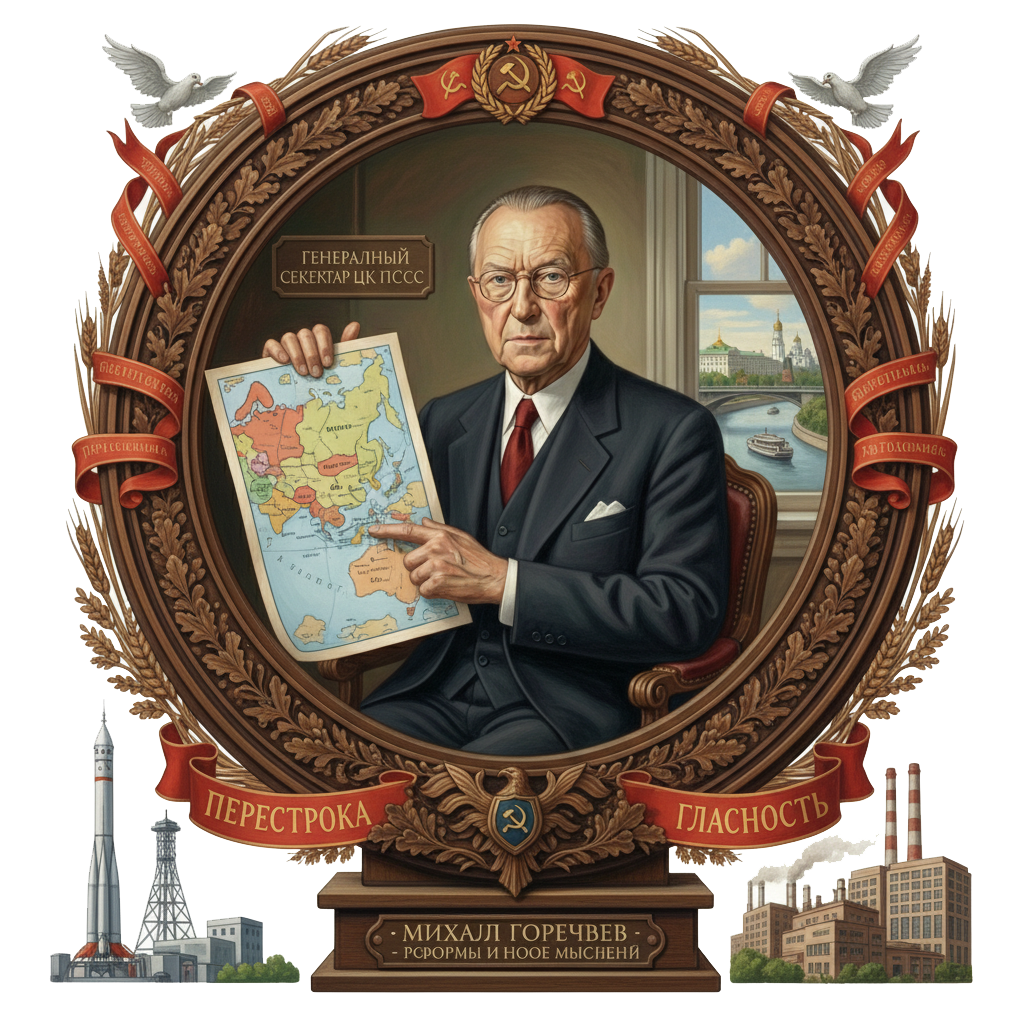
Eighth and final leader of the Soviet Union, whose reforms led to the end of the Cold War and the dissolution of the USSR.
At a glance
- Born
- 1931 CE
- Died
- 2022 CE
- Era classification
- Modern
- Homeland
- Soviet Union (Russia)
- Period
- Late 20th Century
- Field
- Politics & Leadership
- Language
- Russian
- Religion
- Atheist
- Gender
- male
Biography
Mikhail Sergeyevich Gorbachev was a Russian and Soviet politician who served as the last leader of the Soviet Union from 1985 to the country's dissolution in 1991. He served as General Secretary of the Communist Party of the Soviet Union and as the first and only President of the Soviet Union. Ideologically, he initially adhered to Marxism-Leninism but moved towards social democracy by the early 1990s.
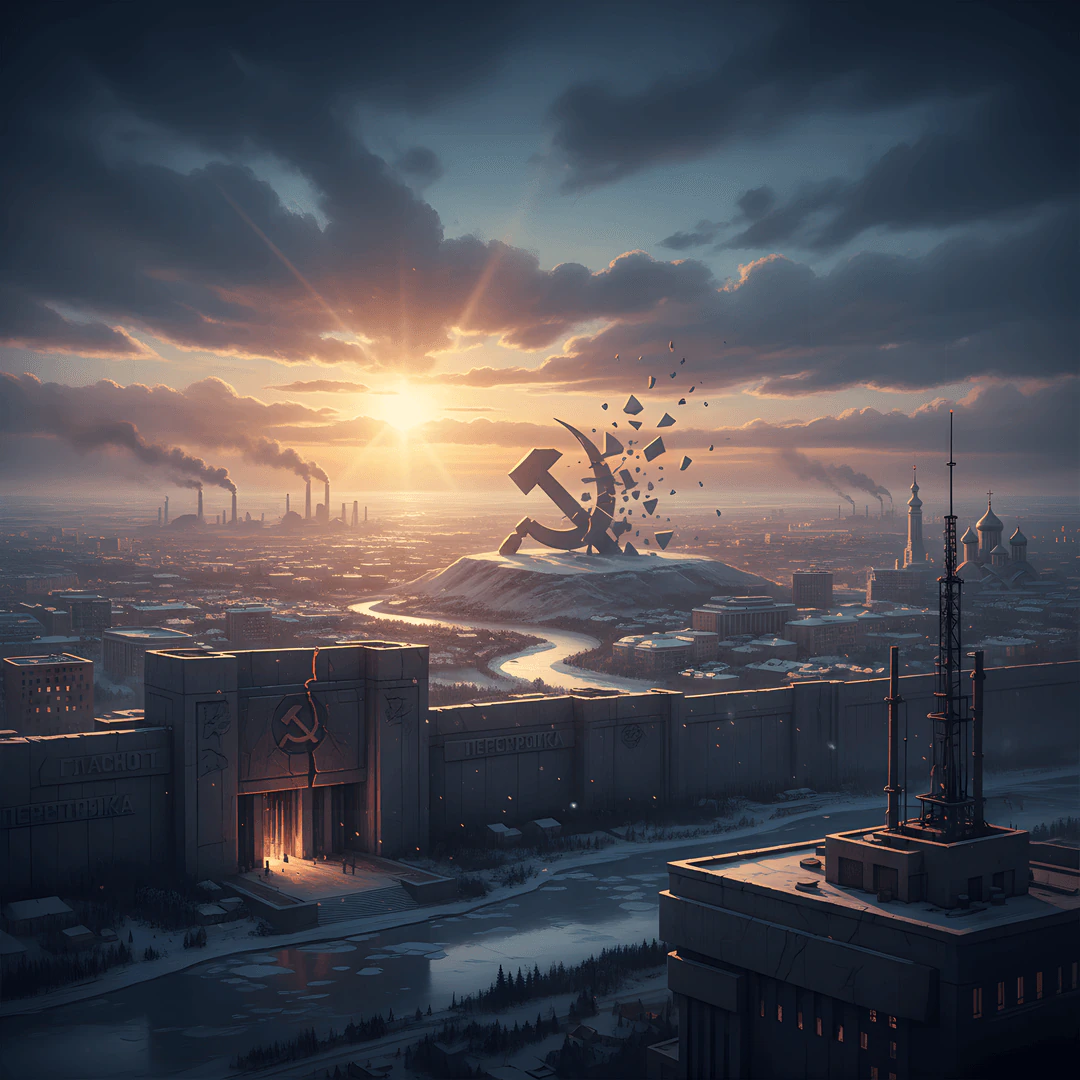
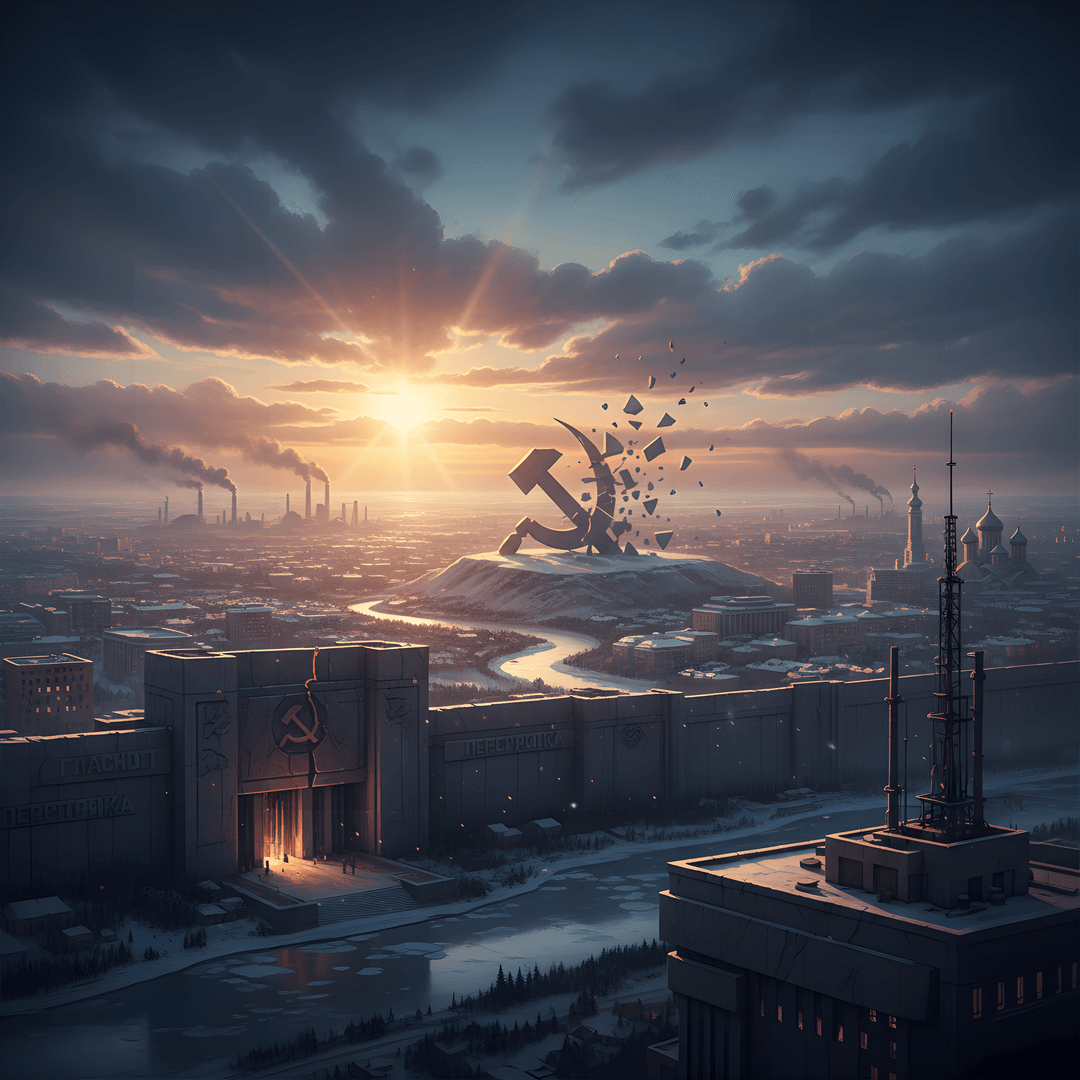
Upon taking power, Gorbachev introduced sweeping reforms known as 'glasnost' (openness) and 'perestroika' (restructuring) in an attempt to revitalize the stagnant Soviet economy and democratize its political system. He also pursued a policy of detente with the West, holding summit meetings with US President Ronald Reagan to limit nuclear weapons and ending the Soviet-Afghan War. His refusal to intervene militarily when Eastern European countries abandoned Marxist-Leninist governance in 1989 paved the way for the fall of the Berlin Wall.
Gorbachev's policies inadvertently led to the unraveling of the Soviet Union, culminating in its dissolution in 1991. He was awarded the Nobel Peace Prize in 1990 for his pivotal role in ending the Cold War. While widely praised internationally for his commitment to peace and reform, he remains a highly controversial figure in Russia, where many blame him for the economic collapse and loss of superpower status that followed the Soviet collapse.
Portrayal characteristics
Saved editorial descriptions used for the reconstruction; these are not authenticated statements by the depicted person.
- Reformist
- Pragmatic
- Visionary
- Diplomatic
- Controversial
Images & artwork 3
Connections
Vladimir Lenin
Political Successor & Reformer
Gorbachev was the final leader of the Soviet state founded by Lenin, attempting to reform the system while claiming to return to Leninist roots.
As General Secretary, Gorbachev introduced Glasnost and Perestroika to modernize the USSR. He often cited Lenin's 'New Economic Policy' as a historical justification for introducing market elements into the socialist economy.
Nelson Mandela
Contemporary Global Figures
Gorbachev's foreign policy shifts and the end of the Cold War helped create the international environment that pressured the end of Apartheid.
The reduction of Soviet influence in Africa and the de-escalation of Cold War tensions allowed for a negotiated settlement in South Africa, facilitating Mandela's release and the transition to democracy.
Yuri Gagarin
Historical Legacy
As the final leader of the Soviet Union, Gorbachev oversaw the declassification of many details regarding Gagarin’s mission and his tragic death in 1968.
For decades, the Soviet government maintained strict secrecy over the technical failures of the space program and the risks Gagarin faced. Under Gorbachev’s policy of Glasnost, the public finally learned the full truth about the circumstances surrounding the plane crash that took Gagarin's life.
Known for
- Glasnost and Perestroika
- Ending the Cold War
- Nobel Peace Prize
- Dissolution of the Soviet Union
Episodes featuring or mentioning this figure
No eligible published episode featuring this figure is currently in the library.