



Joseph Rotblat
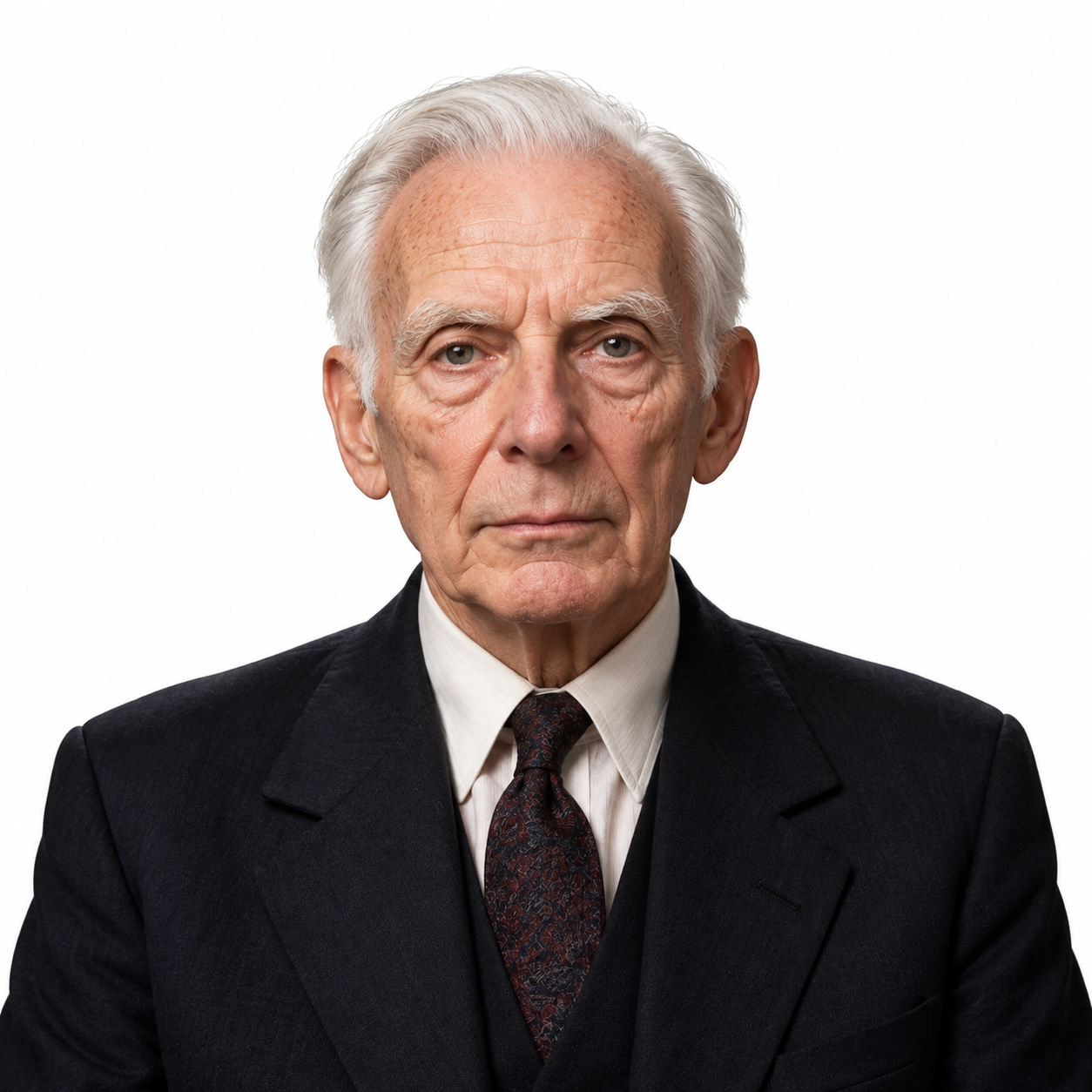
Physicist who left the Manhattan Project on conscience and co-founded the Nobel Prize-winning Pugwash Conferences.
At a glance
- Born
- 1908 CE
- Died
- 2005 CE
- Era classification
- Modern
- Occupation
- Physicist
- Homeland
- Poland / United Kingdom
- Period
- 20th Century
- Field
- Science & Innovation
- Language
- English
- Religion
- Agnosticism
- Gender
- male
Biography
Joseph Rotblat was born into a Polish-Jewish family in Warsaw. After facing severe financial hardship during the First World War, he pursued evening studies in physics, eventually earning his doctorate from the University of Warsaw in 1938. In early 1939, he accepted a research fellowship at the University of Liverpool under James Chadwick, where he contributed to early investigations into nuclear fission and the feasibility of a chain reaction.
In 1944, Rotblat joined the British mission to the Manhattan Project at Los Alamos, New Mexico. However, upon discovering that the German nuclear program had stalled and hearing Allied leaders discuss using atomic weapons as a post-war deterrent against the Soviet Union, Rotblat concluded that the moral justification for the bomb had evaporated. In December 1944, he resigned and departed Los Alamos, making him the only scientist known to have left the project explicitly on ethical grounds.
Returning to the United Kingdom, Rotblat pivoted his scientific focus entirely away from weaponry toward peaceful medical applications. From 1950 to 1976, he served as Professor of Physics at St Bartholomew's Hospital Medical College in London. His subsequent research into the biological hazards of radioactive fallout, particularly after the 1954 Castle Bravo thermonuclear test, was instrumental in alerting the global scientific community and the general public to the dangers of atmospheric nuclear testing.
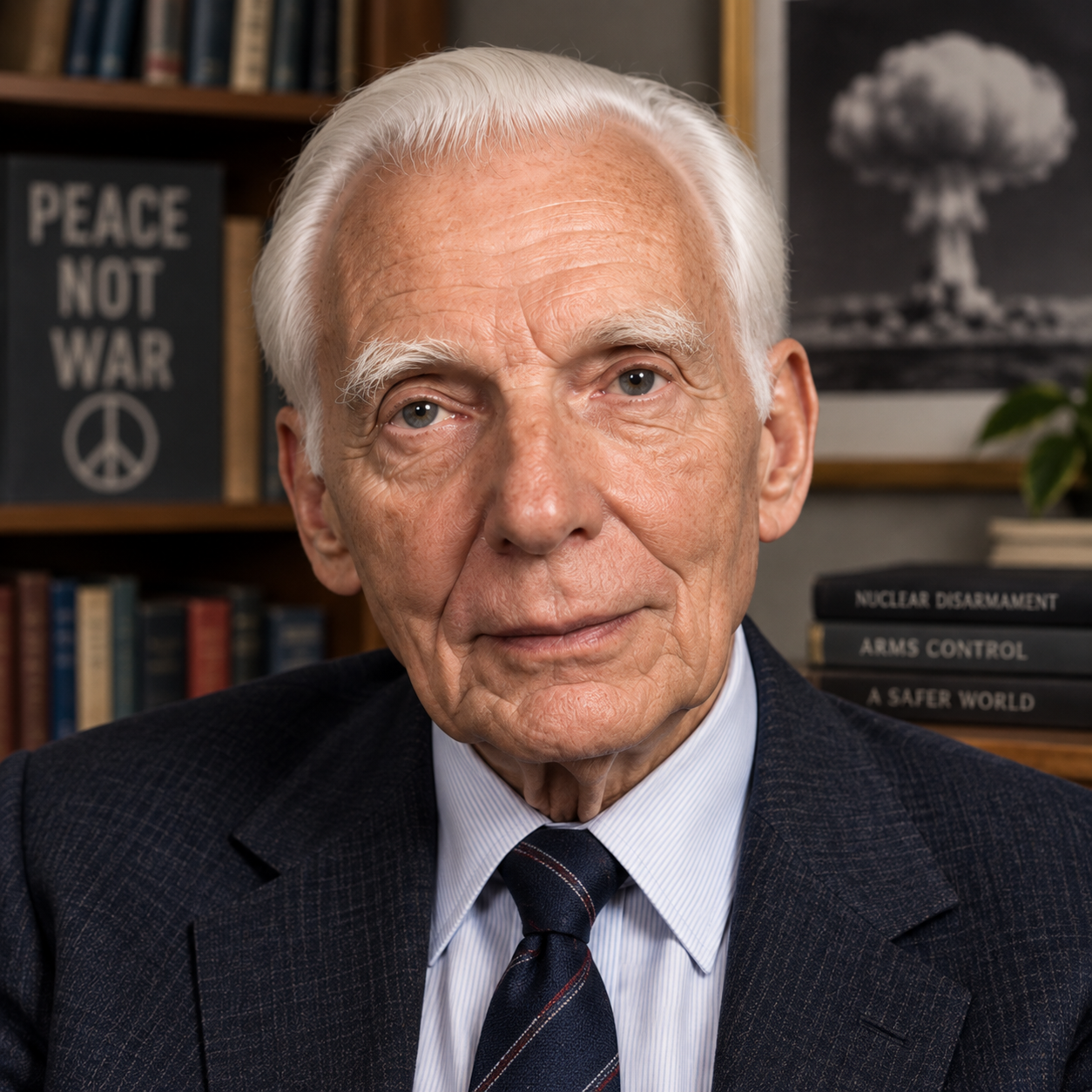
Rotblat committed the remainder of his life to nuclear disarmament. In 1955, he was the youngest of the eleven prominent intellectuals to sign the Russell-Einstein Manifesto, which called for scientists to assemble across Cold War divides to prevent global catastrophe. This led directly to the establishment of the Pugwash Conferences on Science and World Affairs in 1957, which he led for decades. In 1995, fifty years after the Hiroshima and Nagasaki bombings, Rotblat and the Pugwash Conferences were jointly awarded the Nobel Peace Prize.
Portrayal characteristics
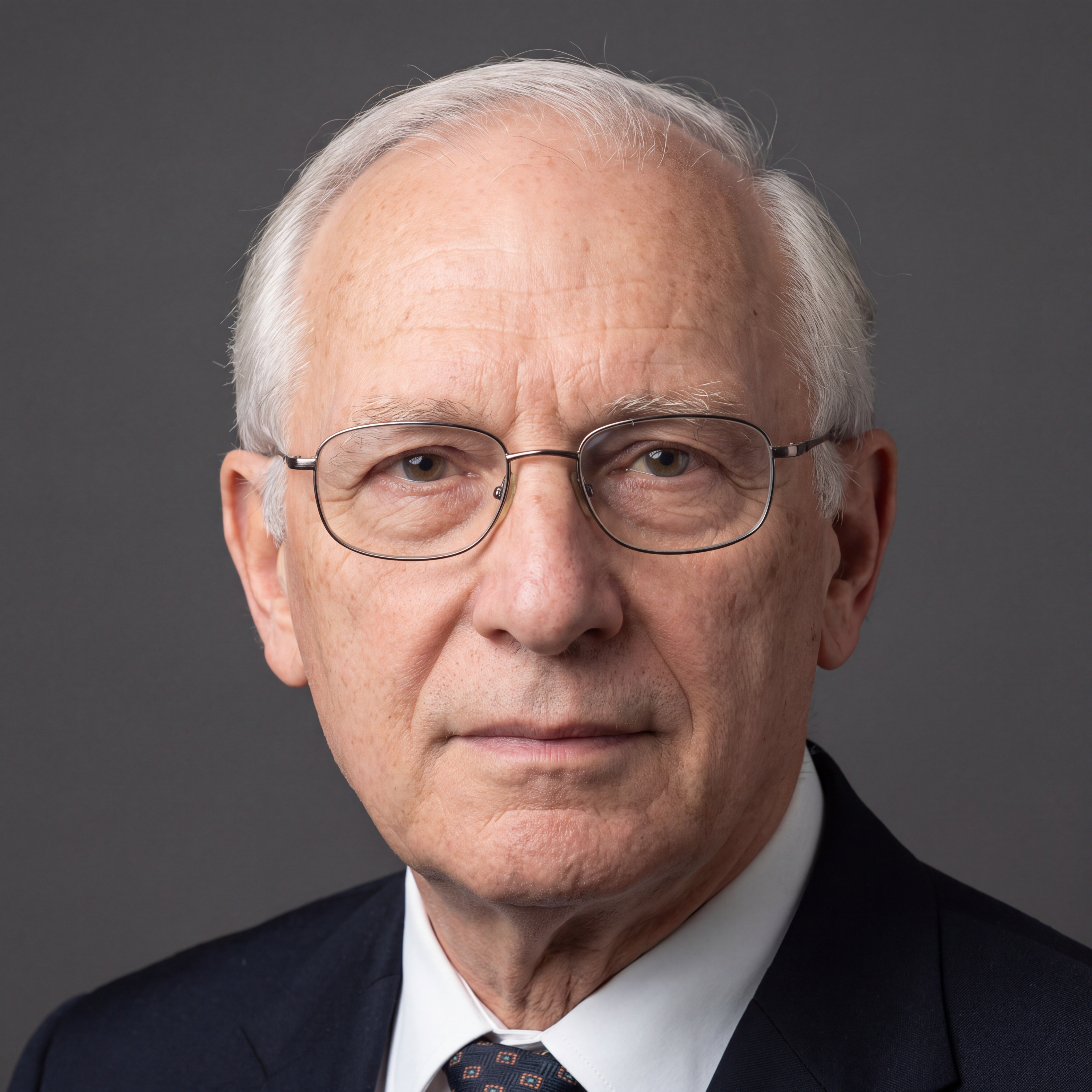
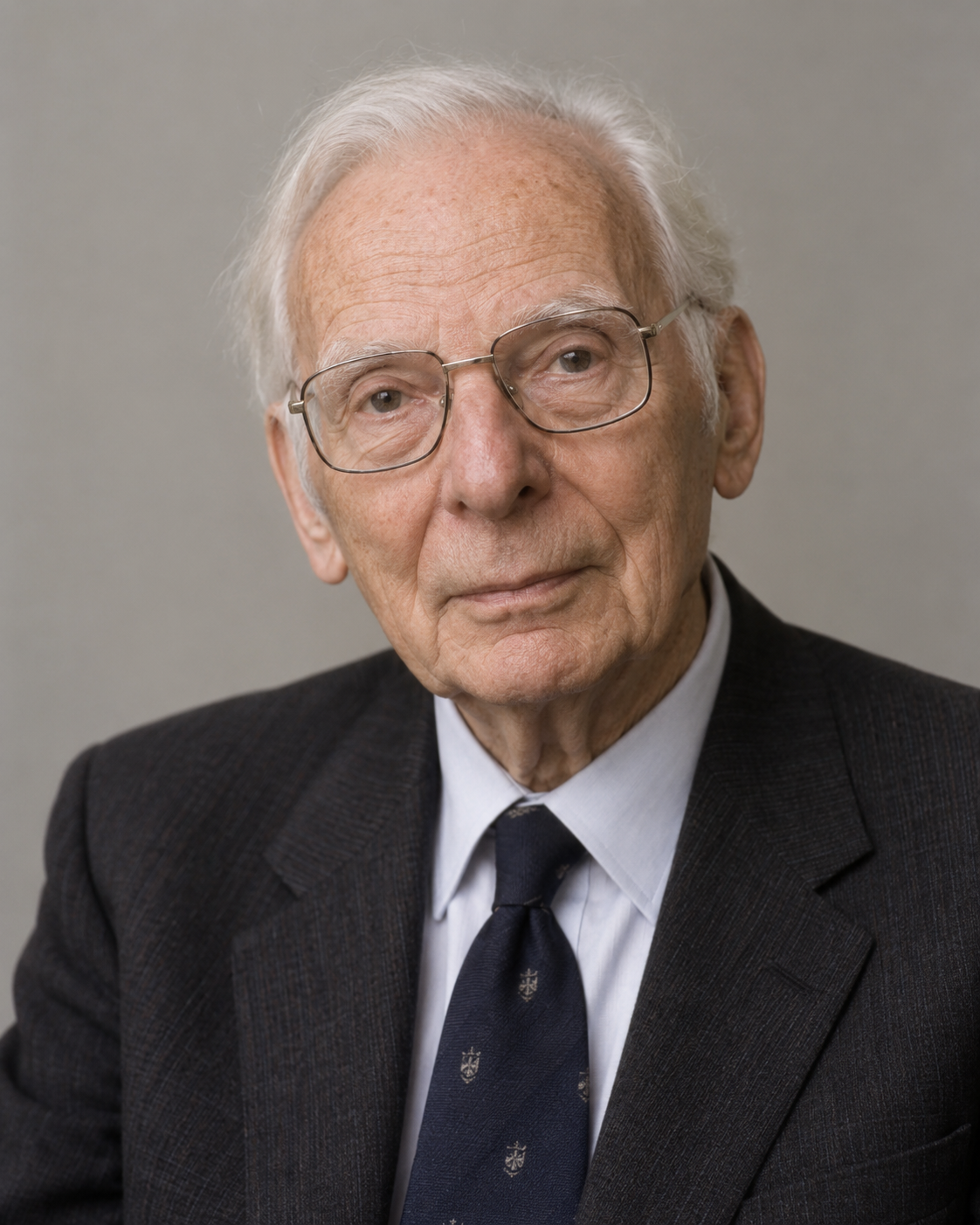
Saved editorial descriptions used for the reconstruction; these are not authenticated statements by the depicted person.
- Principled
- Humanitarian
- Persistent
- Conscientious
- Disciplined
Images & artwork 4
Known for
- Only scientist to resign from the Manhattan Project on moral grounds
- Co-founding the Pugwash Conferences on Science and World Affairs
- Signatory of the 1955 Russell-Einstein Manifesto
- Awarded the 1995 Nobel Peace Prize
- Pioneering research in nuclear medicine and radiation hazards
Episodes featuring or mentioning this figure
No eligible published episode featuring this figure is currently in the library.