



Luke Howard
English chemist and amateur meteorologist who created the universal classification and naming system for clouds.
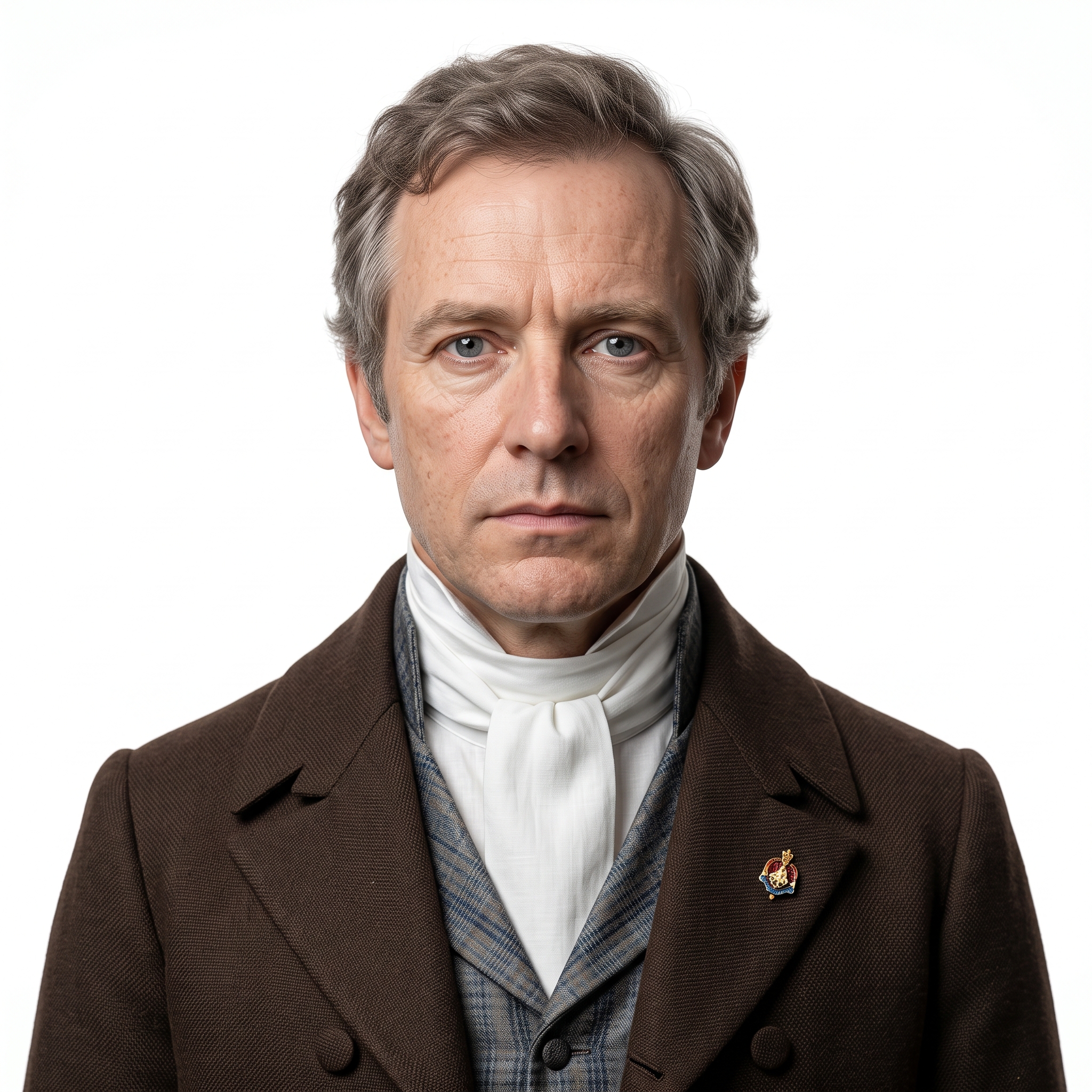
At a glance
- Born
- 1772 CE
- Died
- 1864 CE
- Era classification
- Modern
- Occupation
- Meteorologist
- Homeland
- England
- Period
- 18th–19th Century
- Field
- Science & Innovation
- Language
- English
- Religion
- Christianity (Quaker)
- Gender
- male
Biography
Luke Howard was born in Red Cross Street, London, in 1772 into a Quaker family. Educated at a Quaker school in Burford, Oxfordshire, he showed an early fascination with atmospheric phenomena, an interest heightened by the extraordinary atmospheric dust and vivid skies that followed the 1783 eruption of the Laki fissure in Iceland. Although apprenticed to a retail chemist in Stockport, his scientific curiosity remained firmly rooted in meteorology and natural philosophy.
In 1796, Howard established a manufacturing chemical business in Plaistow, Essex, partnering for a time with William Allen to build a prominent pharmaceutical supplier. Despite managing demanding industrial operations, he devoted his early mornings and evenings to systematic weather records and sky observation. In December 1802, he delivered his landmark paper, 'On the Modification of Clouds,' to the Askesian Society, introducing the Latin classification system that grouped cloud formations into cirrus, cumulus, stratus, and intermediate or compound categories like nimbus.
Howard's nomenclature succeeded where earlier attempts had failed because it treated cloud forms not as random configurations, but as visible manifestations of underlying atmospheric physics and ongoing thermal change. His taxonomy quickly gained international acceptance, earning praise from contemporaries including Johann Wolfgang von Goethe, who dedicated a series of poems to him, and providing an analytical vocabulary that influenced landscape painters like John Constable.
Beyond cloud taxonomy, Howard was a pioneer in the study of microclimates. Between 1818 and 1820, he published 'The Climate of London,' the first comprehensive work in urban meteorology, which documented the urban heat island effect by showing that city temperatures were consistently higher than those in adjacent countryside. He was elected a Fellow of the Royal Society in 1821 and continued writing on meteorological, religious, and social topics until his death in Tottenham in 1864.
Portrayal characteristics
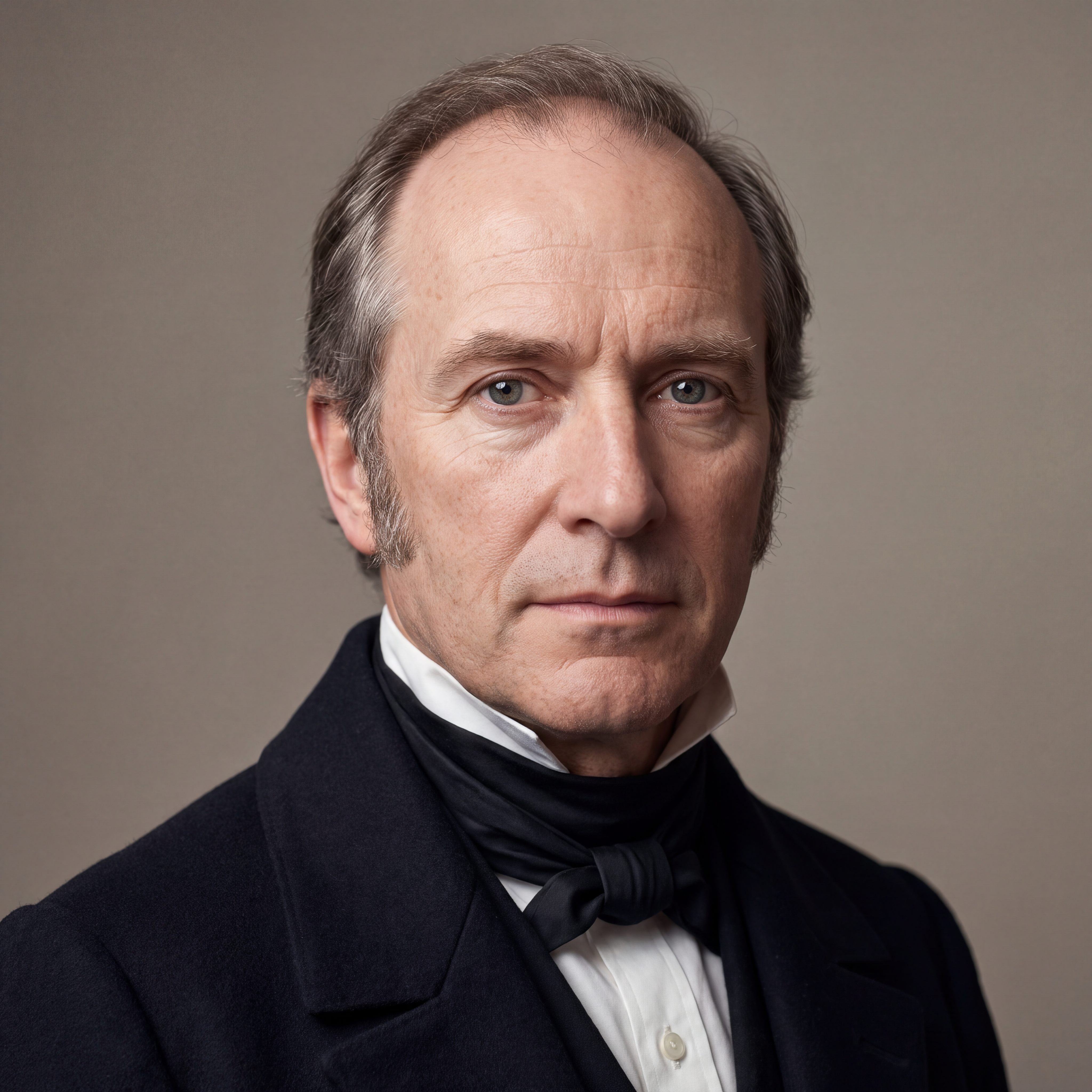
Saved editorial descriptions used for the reconstruction; these are not authenticated statements by the depicted person.
- Methodical
- Observant
- Innovative
- Devout
- Scholarly
Images & artwork 2
Known for
- Devising the modern Latin classification system for clouds
- Authoring 'On the Modification of Clouds' (1802)
- Documenting the urban heat island effect in 'The Climate of London'
- Pioneering modern observational meteorology
Episodes featuring or mentioning this figure
No eligible published episode featuring this figure is currently in the library.