



Joseph Weizenbaum
Computer scientist who created the ELIZA program and became a prominent critic of artificial intelligence.
At a glance
- Born
- 1923 CE
- Died
- 2008 CE
- Era classification
- Modern
- Occupation
- Computer Scientist
- Homeland
- Germany
- Period
- 20th century
- Field
- Science & Innovation
- Language
- English
- Religion
- Judaism
- Gender
- male
Biography
Joseph Weizenbaum was born in Berlin, Germany, in 1923 to Jewish parents. In 1936, he emigrated with his family to the United States to escape Nazi persecution. He studied mathematics at Wayne State University in Detroit, interrupting his education to serve in the United States Army Air Forces during World War II. After earning his master's degree in 1948, he worked on early digital computing architectures, including contributing to the design of the ERMA computer system for the Bank of America during his tenure at General Electric.
In 1963, Weizenbaum joined the faculty of the Massachusetts Institute of Technology as an associate professor of computer science. Between 1964 and 1966, he created ELIZA, an early natural language processing program that demonstrated simulated conversation. Its best-known script, DOCTOR, mimicked the conversational style of a Rogerian psychotherapist by reflecting user statements back as questions. Weizenbaum was profoundly disturbed when observers and users, including his own staff, attributed authentic empathy, comprehension, and human emotional depth to the simple rule-based script, an observation that inspired the term 'ELIZA effect.'
Alarmed by the readiness of humans to surrender interpersonal authority to automated machines, Weizenbaum published his landmark 1976 book, 'Computer Power and Human Reason: From Judgment to Calculation.' He argued that artificial intelligence lacked human empathy, moral judgment, and genuine wisdom, warning against delegating decisions that require human compassion to computational systems. He remained a persistent public intellectual and critic of militarized computing and uncritical technological optimism throughout his later career, eventually returning to live in Germany, where he died in 2008.
Portrayal characteristics
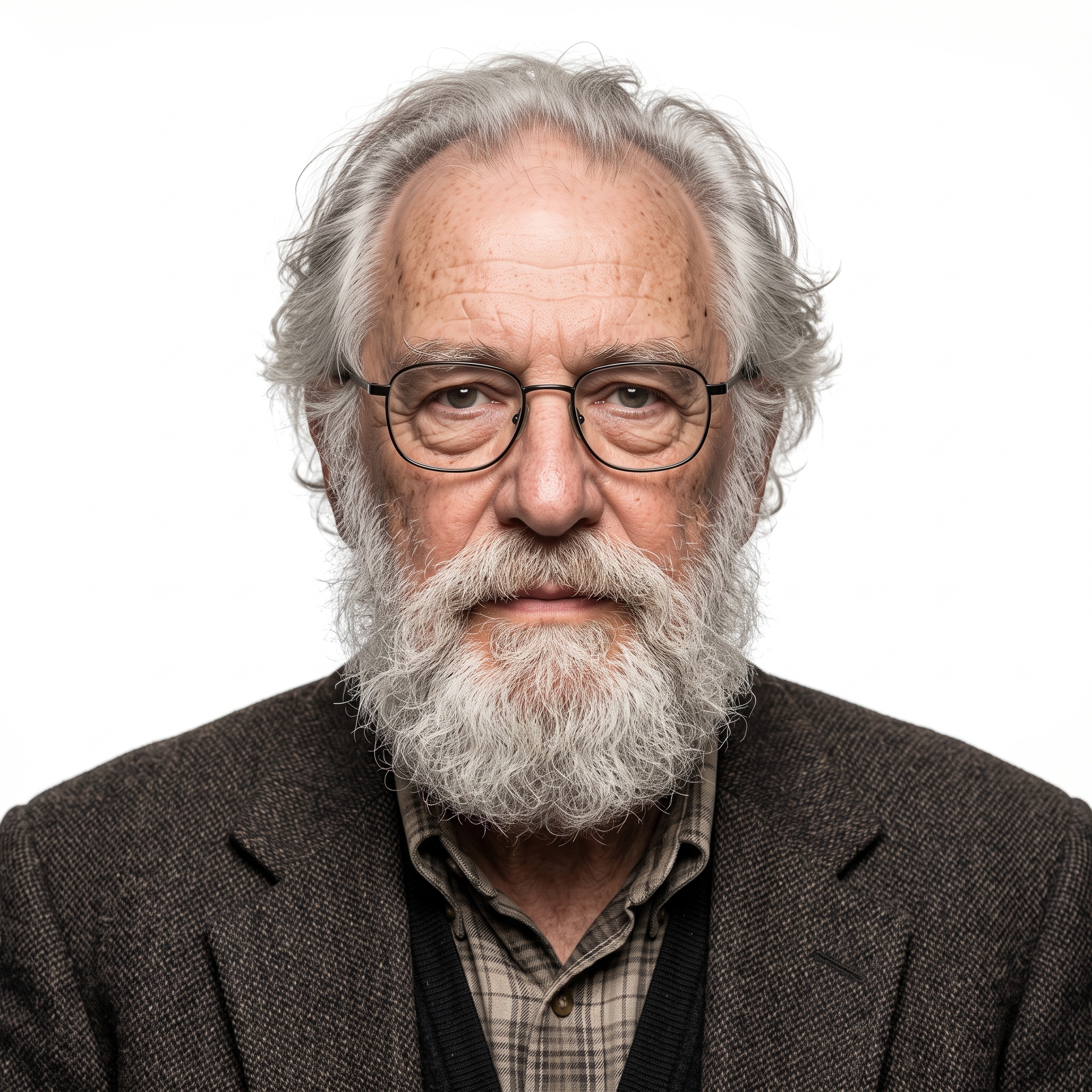
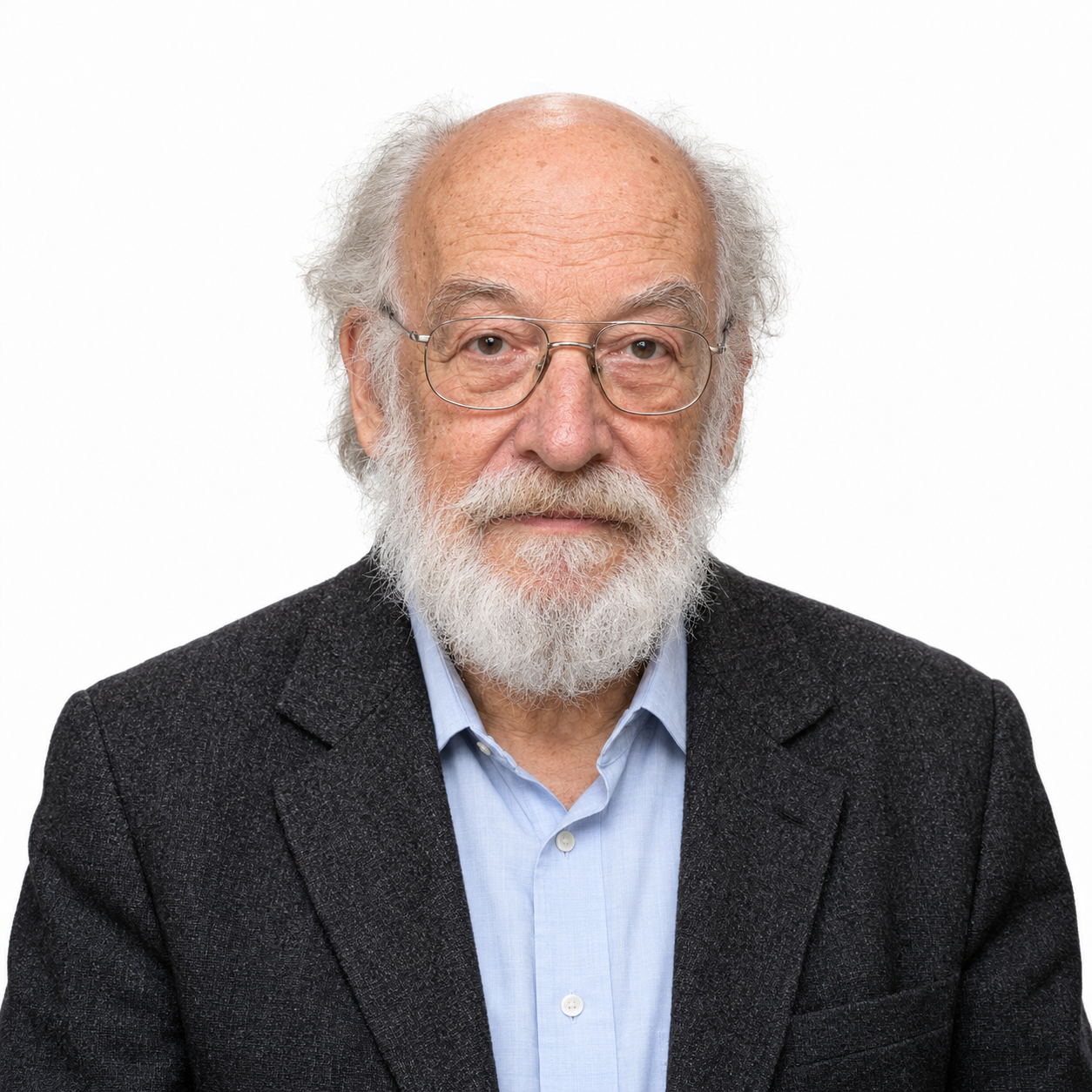
Saved editorial descriptions used for the reconstruction; these are not authenticated statements by the depicted person.
- Skeptical
- Principled
- Outspoken
- Introspective
- Analytical
Images & artwork 3

Known for
- Creation of the ELIZA natural language processing program
- Formulation of the ELIZA effect concept
- Authoring Computer Power and Human Reason
- Pioneering ethical critique of artificial intelligence
Episodes featuring or mentioning this figure
No eligible published episode featuring this figure is currently in the library.