



Leo Szilard
Physicist who conceived the nuclear chain reaction and helped initiate the Manhattan Project.
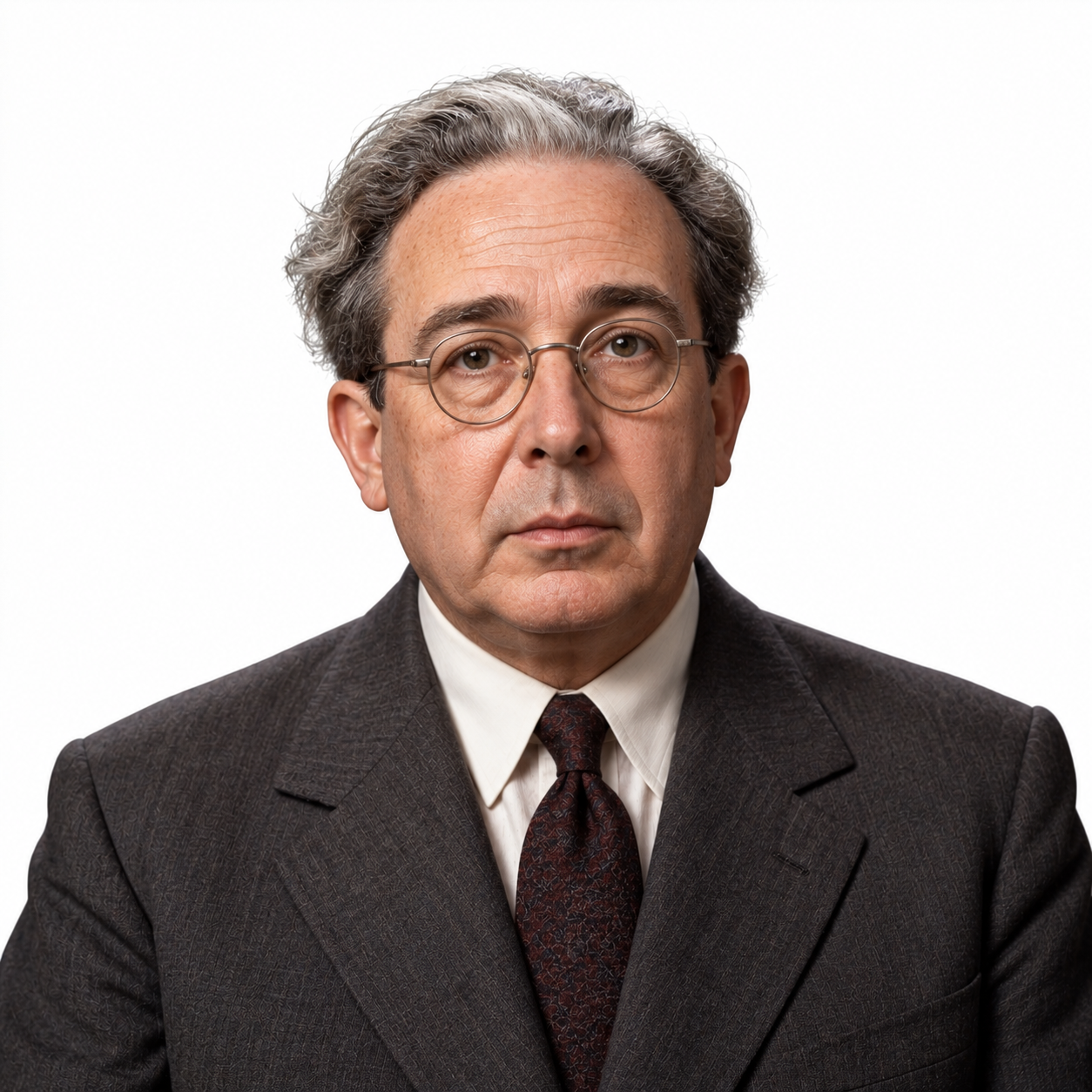
At a glance
- Born
- 1898 CE
- Died
- 1964 CE
- Era classification
- Modern
- Occupation
- Physicist
- Homeland
- Hungary
- Period
- 20th Century
- Field
- Science & Innovation
- Language
- Hungarian
- Religion
- Agnosticism
- Gender
- male
Biography
Leó Szilárd was born in Budapest, Austria-Hungary, in 1898. He initially pursued engineering before shifting his focus to physics at the University of Berlin, where he studied under Max Planck and Albert Einstein. During the 1920s in Germany, Szilárd produced notable work in thermodynamics, including theoretical insights linking entropy to information that later influenced information theory. He also collaborated with Einstein to design a novel home refrigerator without moving parts. As the Nazi regime rose to power in 1933, Szilárd fled Germany for the United Kingdom.
In London in late 1933, shortly after the discovery of the neutron, Szilárd conceived the fundamental principle of a self-sustaining nuclear chain reaction. Realizing the destructive potential of this concept, he patented the process in 1934 and assigned the patent to the British Admiralty to keep it secret. By 1938, Szilárd moved to the United States. Following the experimental confirmation of uranium fission in early 1939, he recognized the urgency of preventing Nazi Germany from developing an atomic weapon, prompting him to draft the historic letter signed by Albert Einstein that alerted President Franklin D. Roosevelt to the military potential of nuclear energy.
Szilárd joined the Manhattan Project at the University of Chicago's Metallurgical Laboratory, collaborating closely with Enrico Fermi to design and construct Chicago Pile-1, the world's first artificial nuclear reactor, which achieved criticality in December 1942. However, as the defeat of the Axis powers neared, Szilárd voiced profound ethical and strategic objections to the unannounced offensive use of nuclear weapons against Japan. In July 1945, he circulated the Szilárd Petition among fellow scientists, urging President Harry S. Truman to consider peaceful demonstrations of the bomb instead.
After World War II, disillusioned by the escalating nuclear arms race, Szilárd transitioned his research from nuclear physics to molecular biology and biophysics. He contributed to the understanding of bacterial growth dynamics, feedback regulation, and aging. Szilárd remained an outspoken advocate for nuclear disarmament and international peace until his death in 1964, having established the Council for a Livable World in 1962 to mobilize scientific and public support for arms control.
Portrayal characteristics
Saved editorial descriptions used for the reconstruction; these are not authenticated statements by the depicted person.
- Visionary
- Intellectually curious
- Ethically conscientious
- Eccentric
- Collaborative
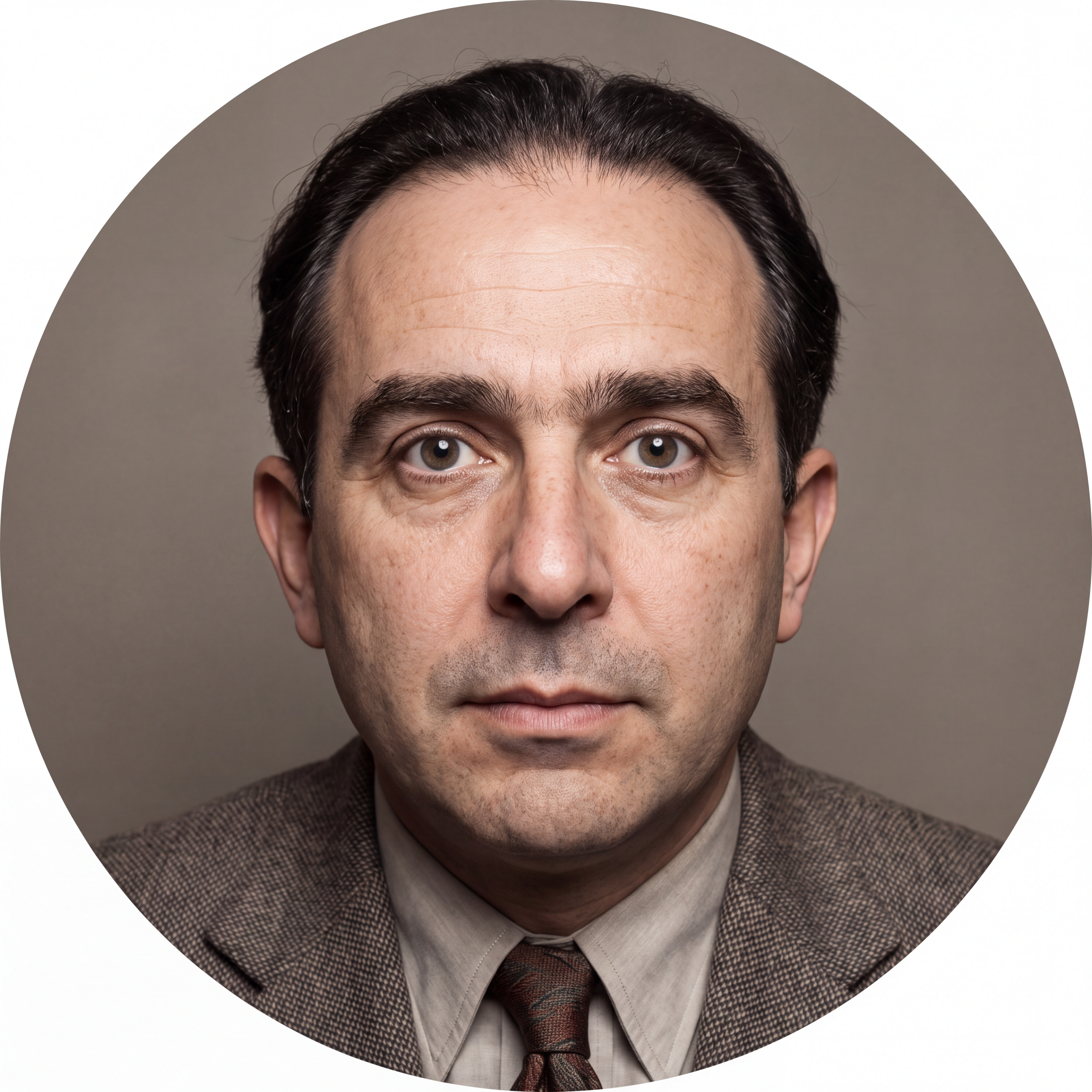
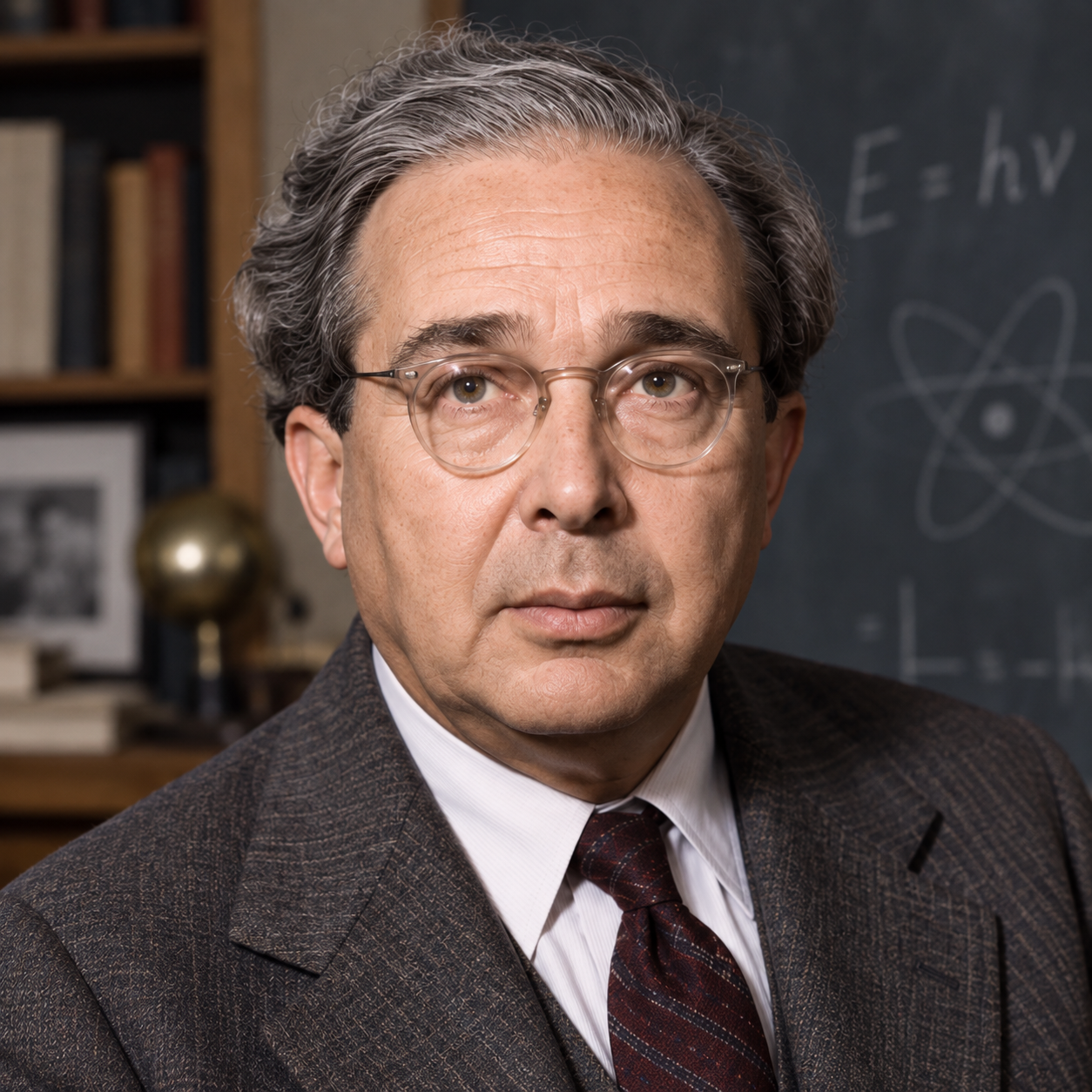
Images & artwork 3
Known for
- Conceiving the concept of the nuclear chain reaction in 1933
- Drafting the 1939 Einstein–Szilard letter to President Roosevelt
- Co-patenting the nuclear fission reactor with Enrico Fermi
- Founding the Council for a Livable World in 1962
- Pioneering research in molecular biology and the link between entropy and information
Episodes featuring or mentioning this figure
No eligible published episode featuring this figure is currently in the library.