



James Lovelock
British independent scientist and environmentalist renowned for creating the revolutionary Gaia hypothesis.
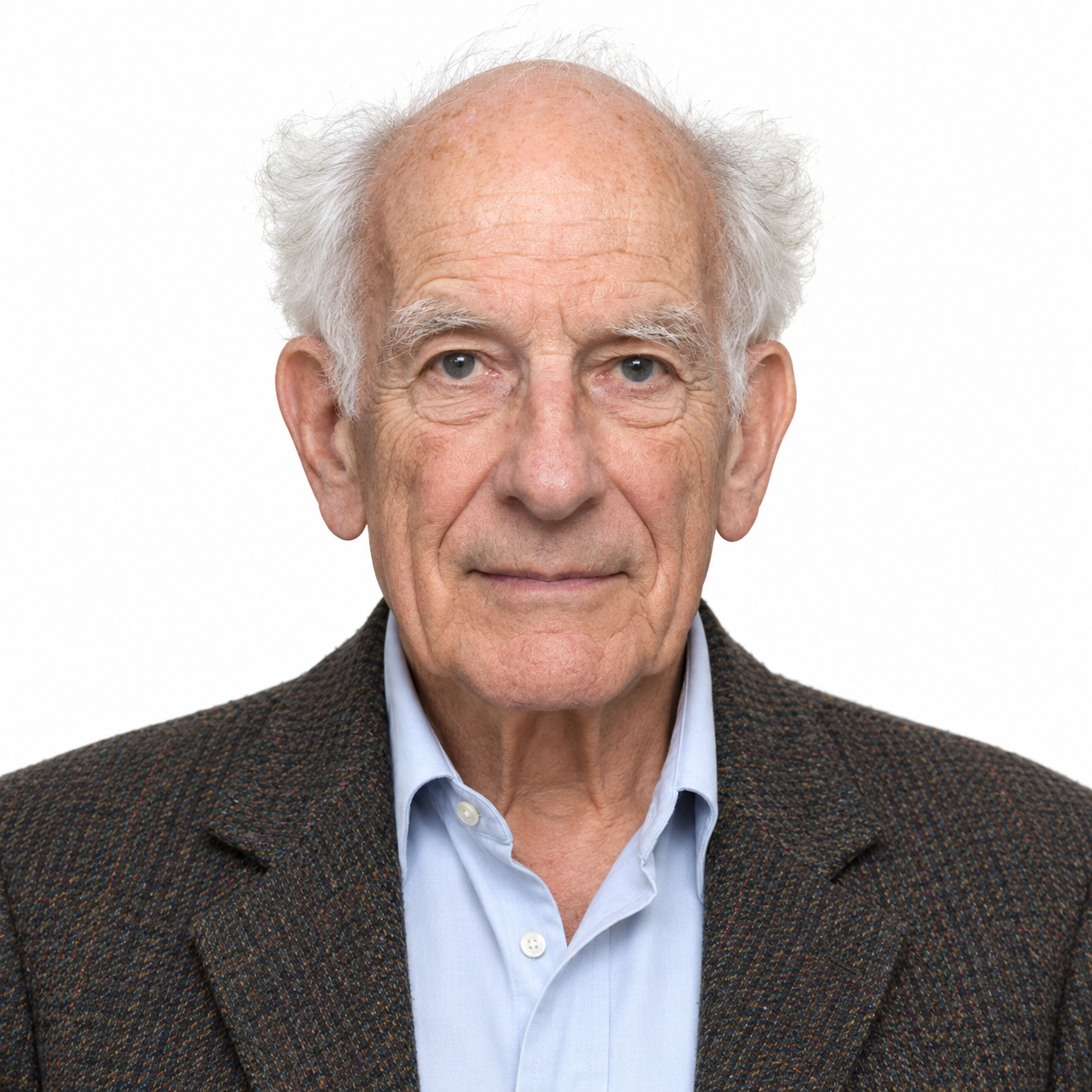
At a glance
- Born
- 1919 CE
- Died
- 2022 CE
- Era classification
- Modern
- Occupation
- Scientist (General)
- Homeland
- United Kingdom
- Period
- 20th–21st Century
- Field
- Science & Innovation
- Language
- English
- Religion
- Agnostic
- Gender
- male
Biography
James Ephraim Lovelock was an English independent scientist, environmentalist, and futurist whose work reshaped modern understanding of Earth systems. Born in Hertfordshire, Lovelock studied chemistry at the University of Manchester and later earned a doctorate in medicine at the London School of Hygiene and Tropical Medicine. Throughout much of his career, he operated outside traditional academia, working as a self-funded independent researcher and prolific inventor.
In the 1950s, Lovelock invented the electron capture detector (ECD), an exceptionally sensitive analytical device that transformed environmental science. The ECD enabled researchers to detect trace amounts of toxic synthetic pollutants in the atmosphere, which directly provided the empirical evidence needed to prove the ubiquitous spread of chlorofluorocarbons (CFCs) and pesticides like DDT, ultimately catalyzing the global environmental movement and the protection of the ozone layer.
Lovelock is most famous for formulating the Gaia hypothesis in the late 1960s and 1970s, developed in collaboration with microbiologist Lynn Margulis while consulting for NASA on planetary life detection. The hypothesis proposes that living organisms interact with their inorganic surroundings on Earth to form a complex, self-regulating synergistic system that maintains the conditions for life. While initially controversial among evolutionary biologists, it laid the conceptual foundation for modern Earth system science.
In his later years, Lovelock was an outspoken and sometimes provocative voice on anthropogenic climate change. He advocated pragmatically for the adoption of nuclear energy as a crucial interim solution to reduce greenhouse gas emissions, breaking with traditional environmentalist orthodoxy. He remained intellectually active until his death on his 103rd birthday in 2022.
Portrayal characteristics
Saved editorial descriptions used for the reconstruction; these are not authenticated statements by the depicted person.
- Independent
- Innovative
- Visionary
- Provocative
- Multidisciplinary
Images & artwork 4
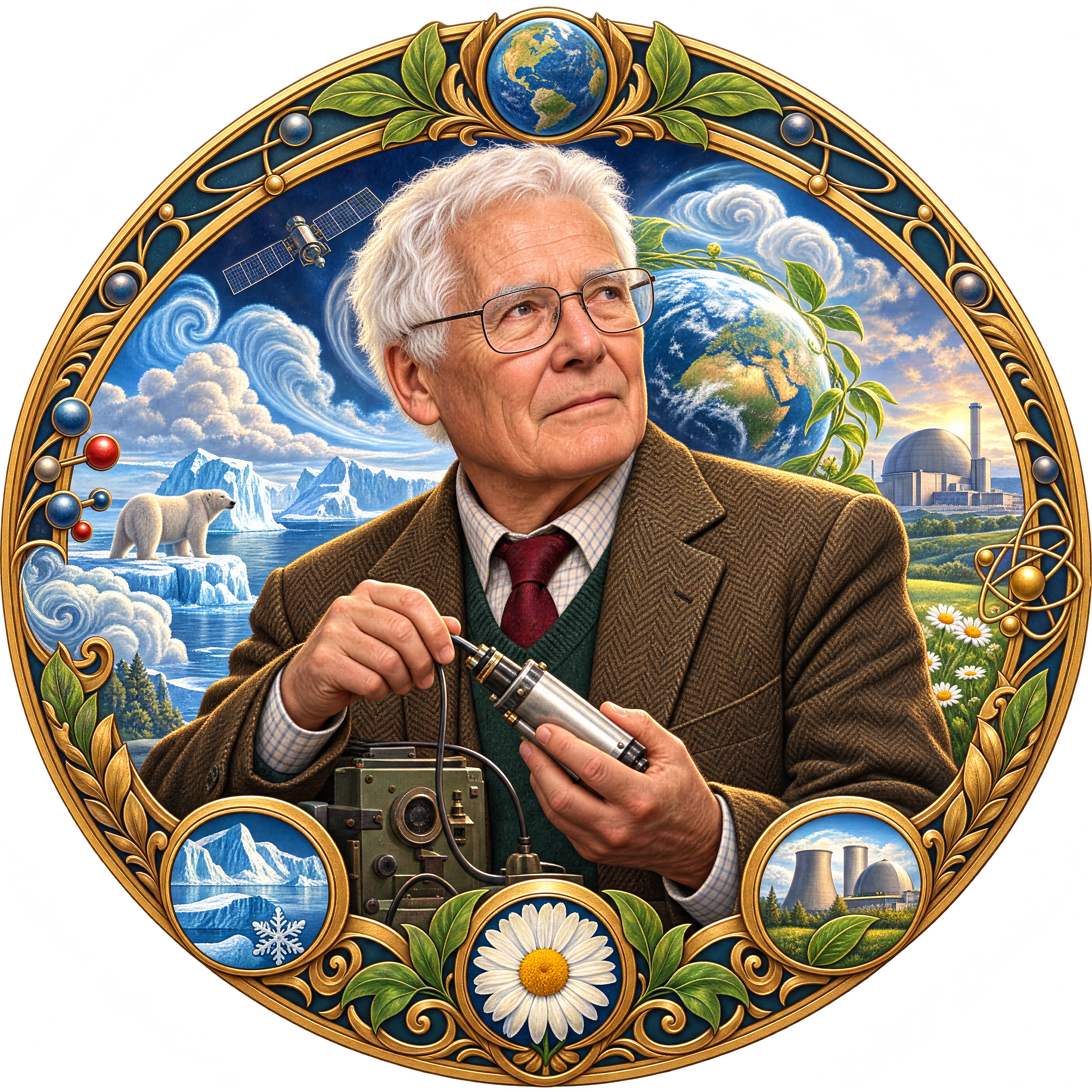


Known for
- Formulation of the Gaia hypothesis
- Invention of the electron capture detector (ECD)
- First detection of widespread CFCs in the atmosphere
- Development of the Daisyworld climate simulation model
- Advocacy for nuclear energy to combat global warming
Episodes featuring or mentioning this figure
No eligible published episode featuring this figure is currently in the library.