



J. Robert Oppenheimer
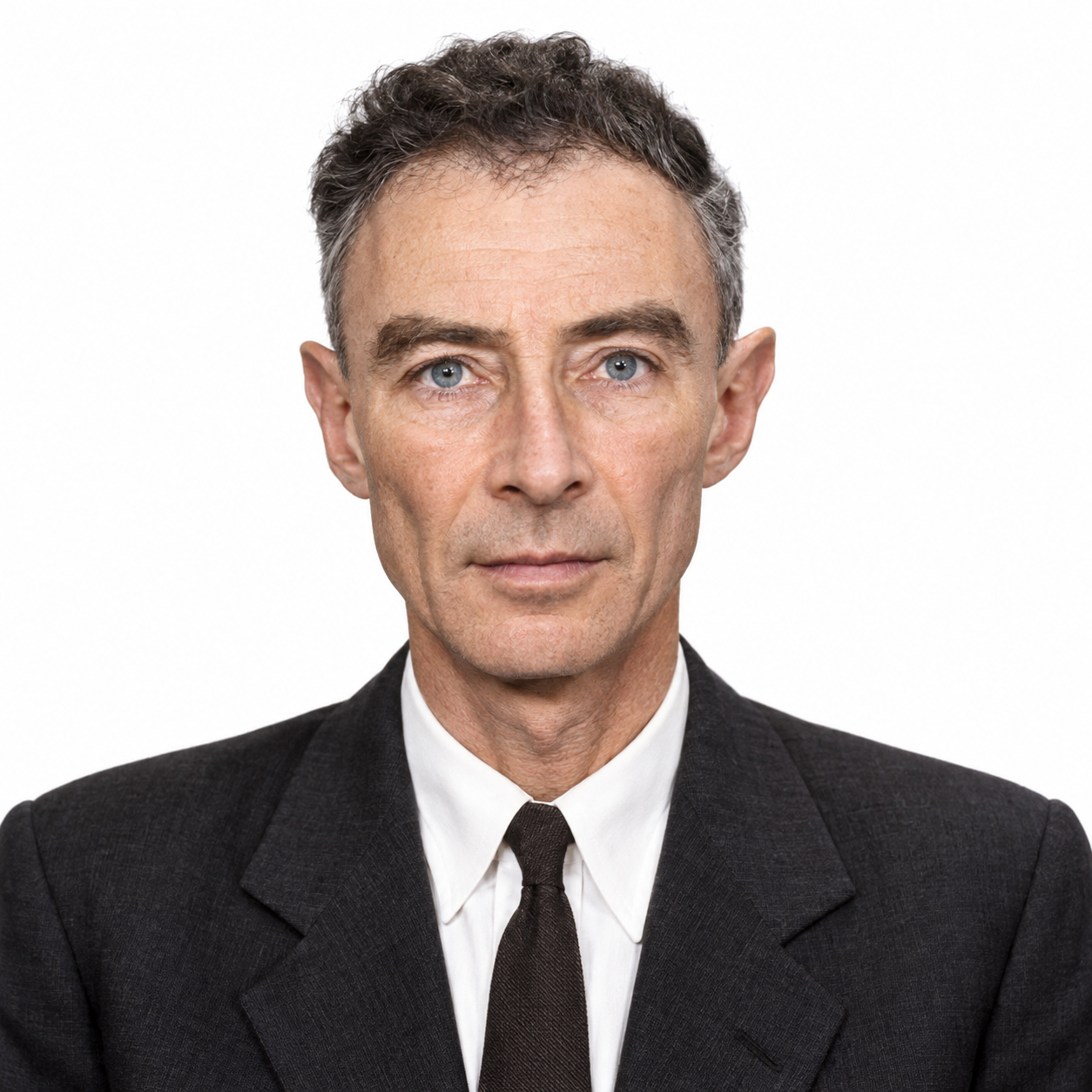
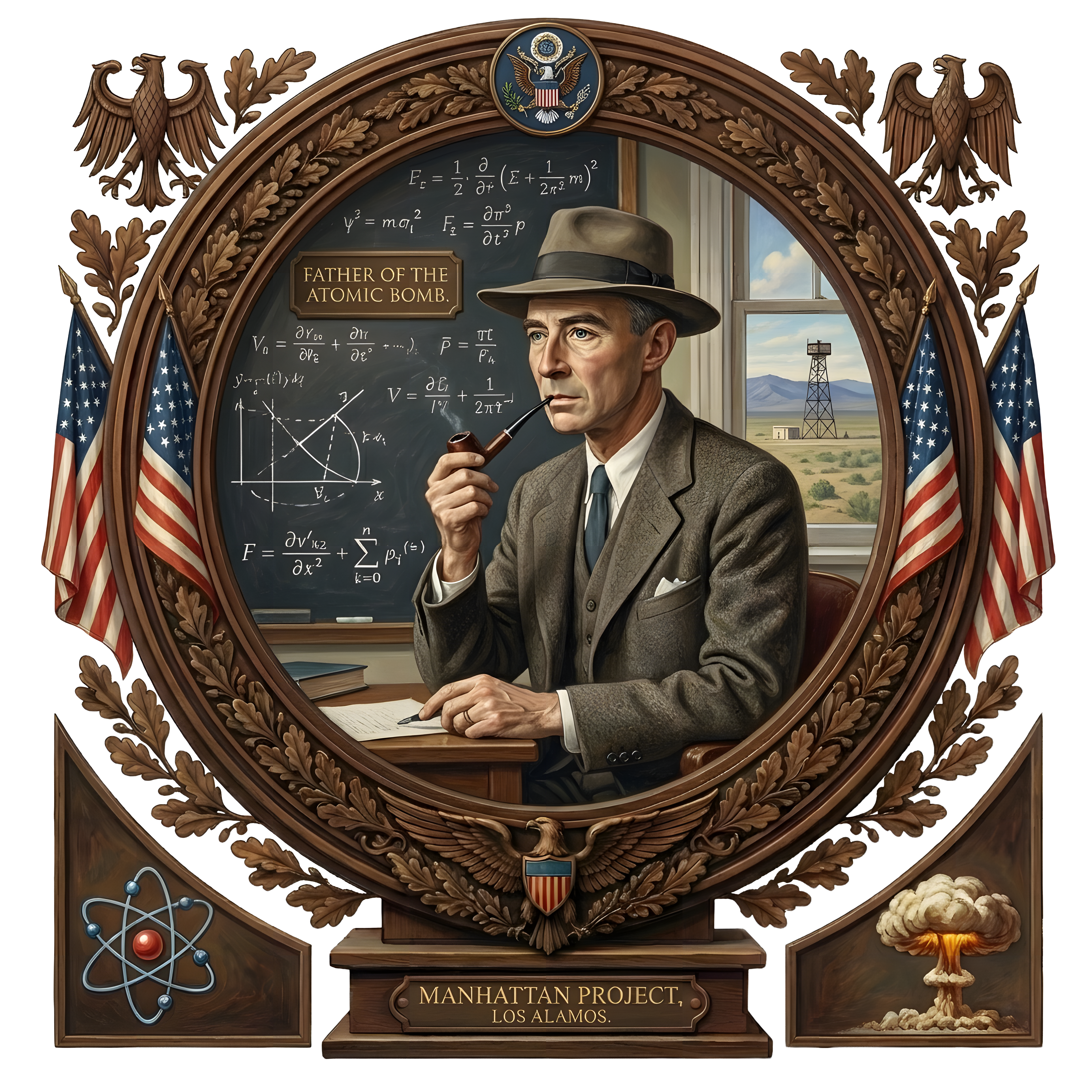
A theoretical physicist known as the 'father of the atomic bomb' for leading the Manhattan Project during World War II.
At a glance
- Born
- April 22, 1904 CE
- Died
- February 18, 1967 CE
- Era classification
- Modern
- Occupation
- Scientist (General)
- Homeland
- United States
- Period
- 1904-1967 CE
- Field
- Science & Innovation
- Language
- English
- Religion
- Jewish (Secular)
- Gender
- male
Biography
Julius Robert Oppenheimer was an American theoretical physicist born in New York City to a wealthy Jewish family. He demonstrated exceptional intellectual ability from a young age, studying at Harvard University before moving to Europe to pursue a PhD at the University of Göttingen. Under the tutelage of Max Born, he became a central figure in the development of quantum mechanics, eventually returning to the United States to establish a world-class school of theoretical physics at UC Berkeley and Caltech.
During World War II, Oppenheimer was recruited to lead the Manhattan Project's secret laboratory at Los Alamos, New Mexico. His task was to design and build the world's first nuclear weapons. Despite his lack of administrative experience, he proved to be an extraordinary leader, coordinating the efforts of thousands of scientists and engineers. This culminated in the successful Trinity test in July 1945, an event that led him to famously reflect on the Bhagavad Gita: 'Now I am become Death, the destroyer of worlds.'
After the war, Oppenheimer became a public figure and a powerful advisor to the U.S. government on nuclear policy. He served as the chairman of the General Advisory Committee of the Atomic Energy Commission, where he advocated for international control of nuclear energy and opposed the development of the hydrogen bomb on moral and technical grounds. His political stances and past associations with left-wing causes eventually made him a target during the Red Scare.
In 1954, Oppenheimer's security clearance was revoked following a controversial and highly publicized hearing. This event effectively ended his influence on government policy and became a symbol of the conflict between science and politics. He spent his remaining years as the director of the Institute for Advanced Study in Princeton, continuing to contribute to physics and lecturing on the relationship between science and society. His scientific legacy includes pioneering work on black holes, neutron stars, and quantum field theory.
Portrayal characteristics
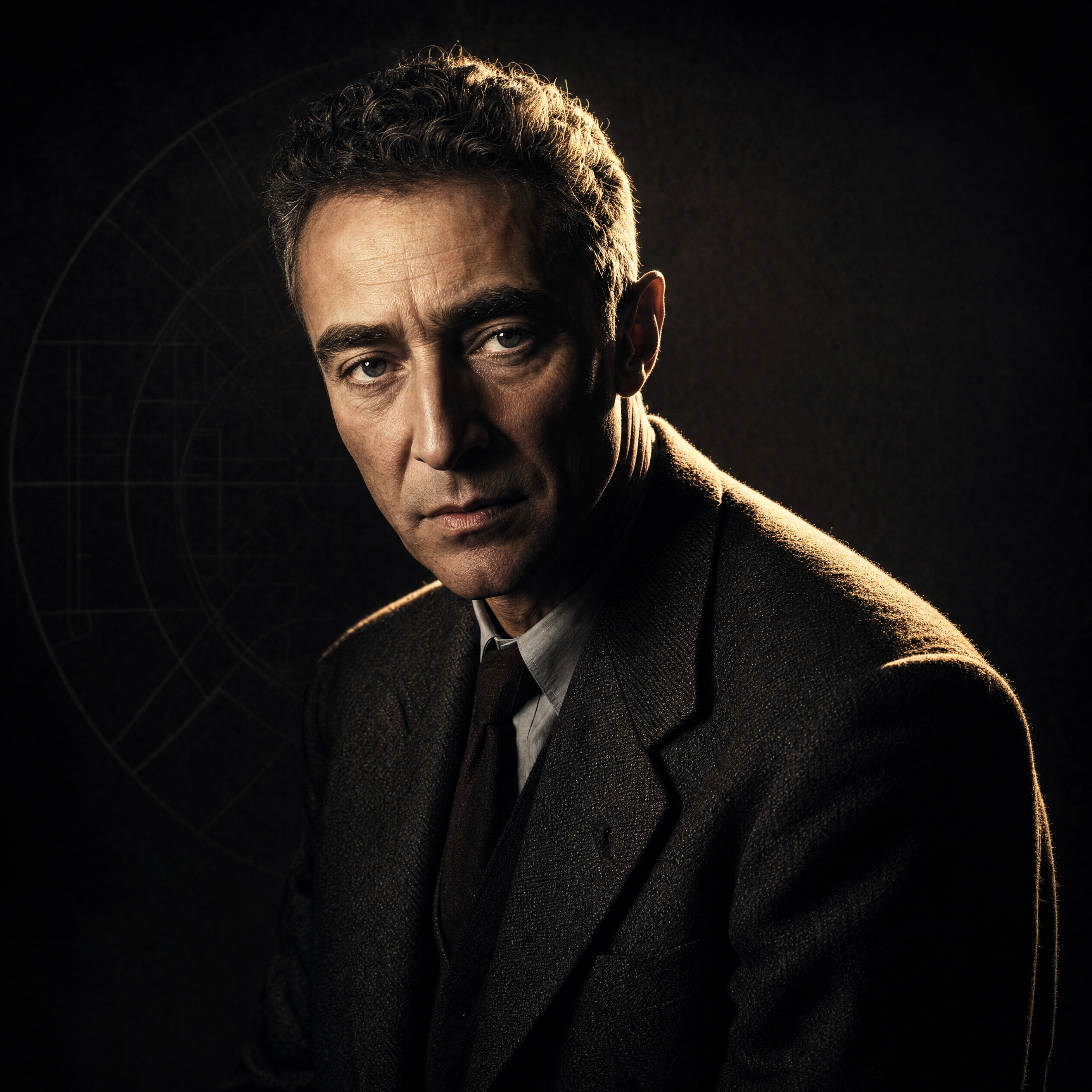
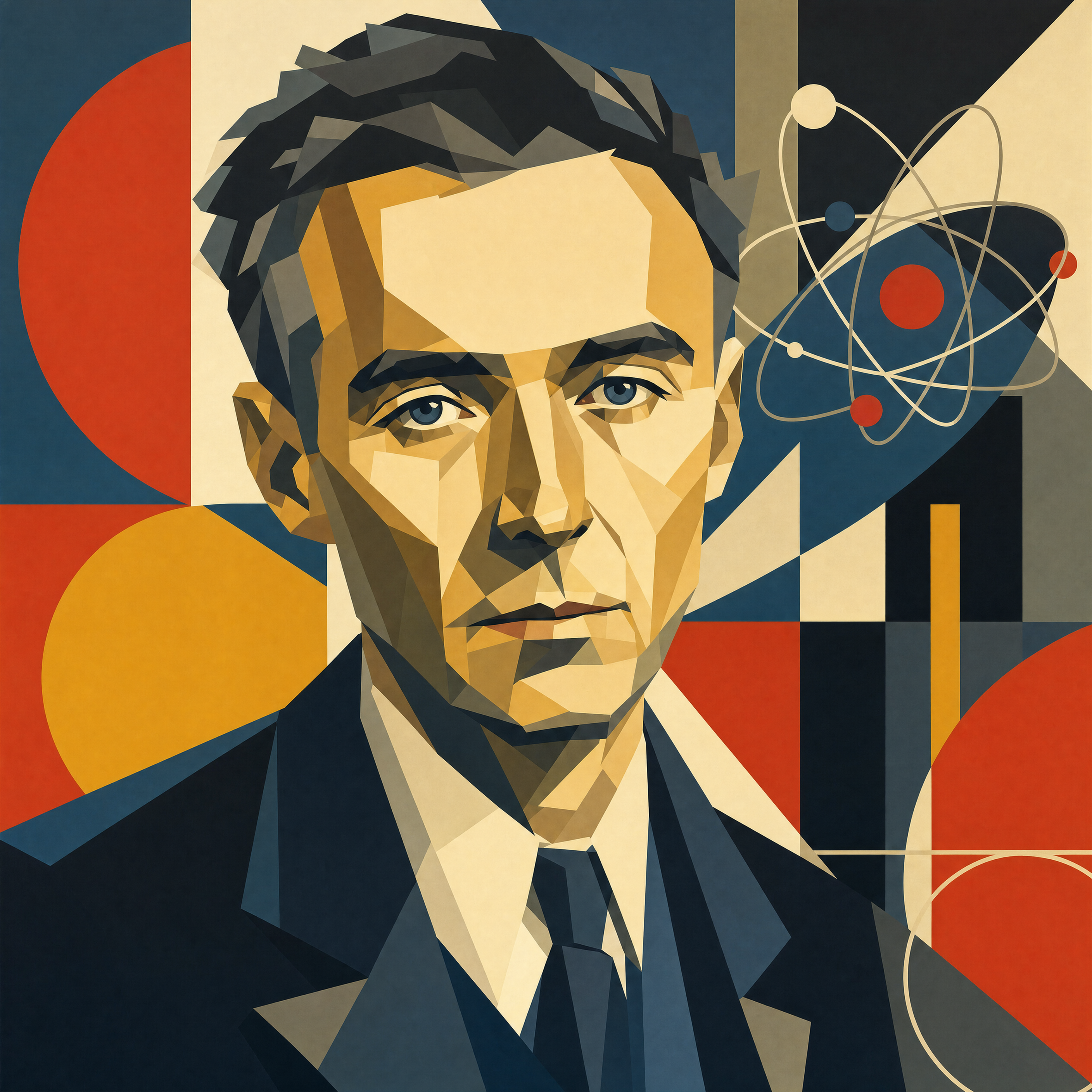
Saved editorial descriptions used for the reconstruction; these are not authenticated statements by the depicted person.
- Intellectual
- Charismatic
- Complex
- Melancholic
- Polymathic
- Visionary
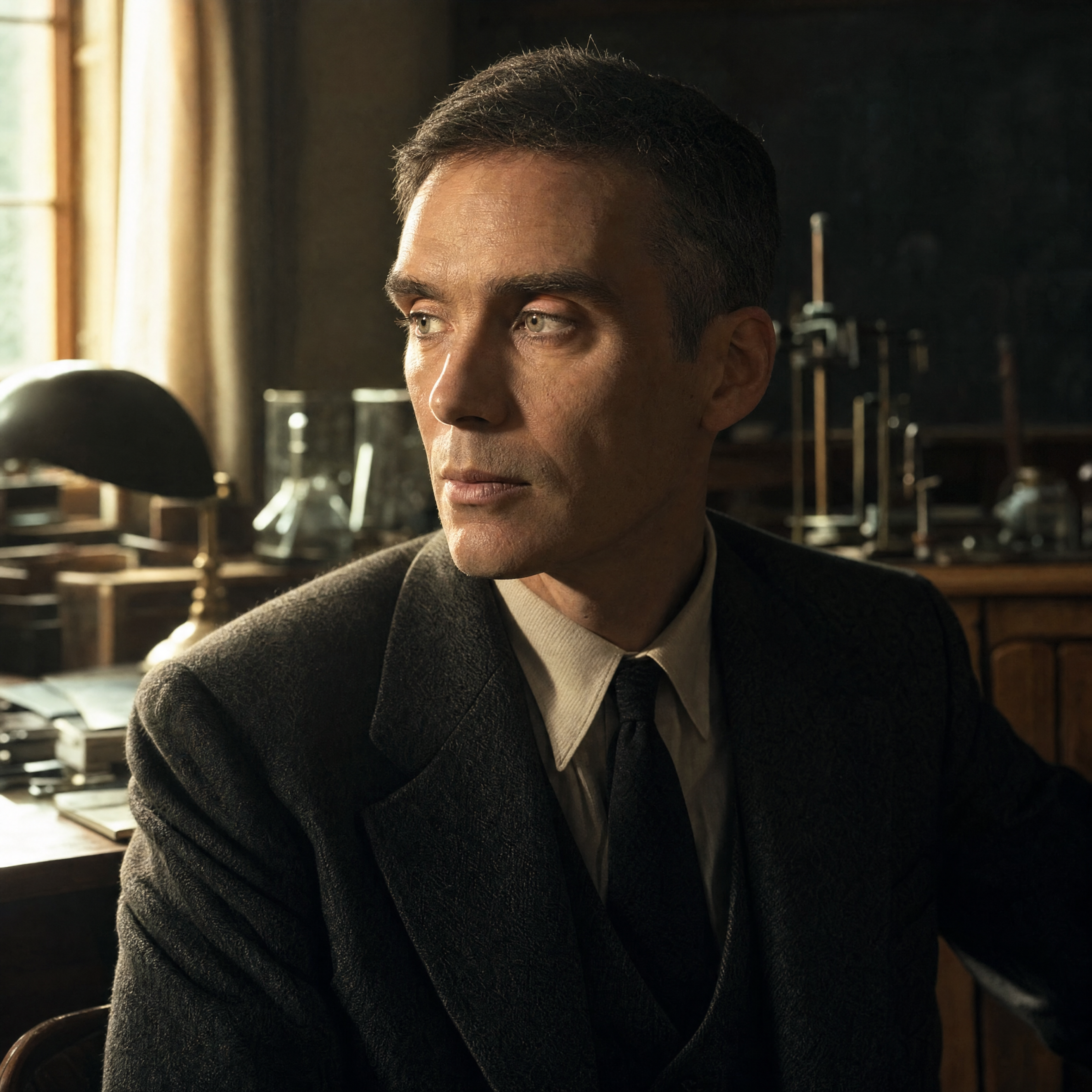
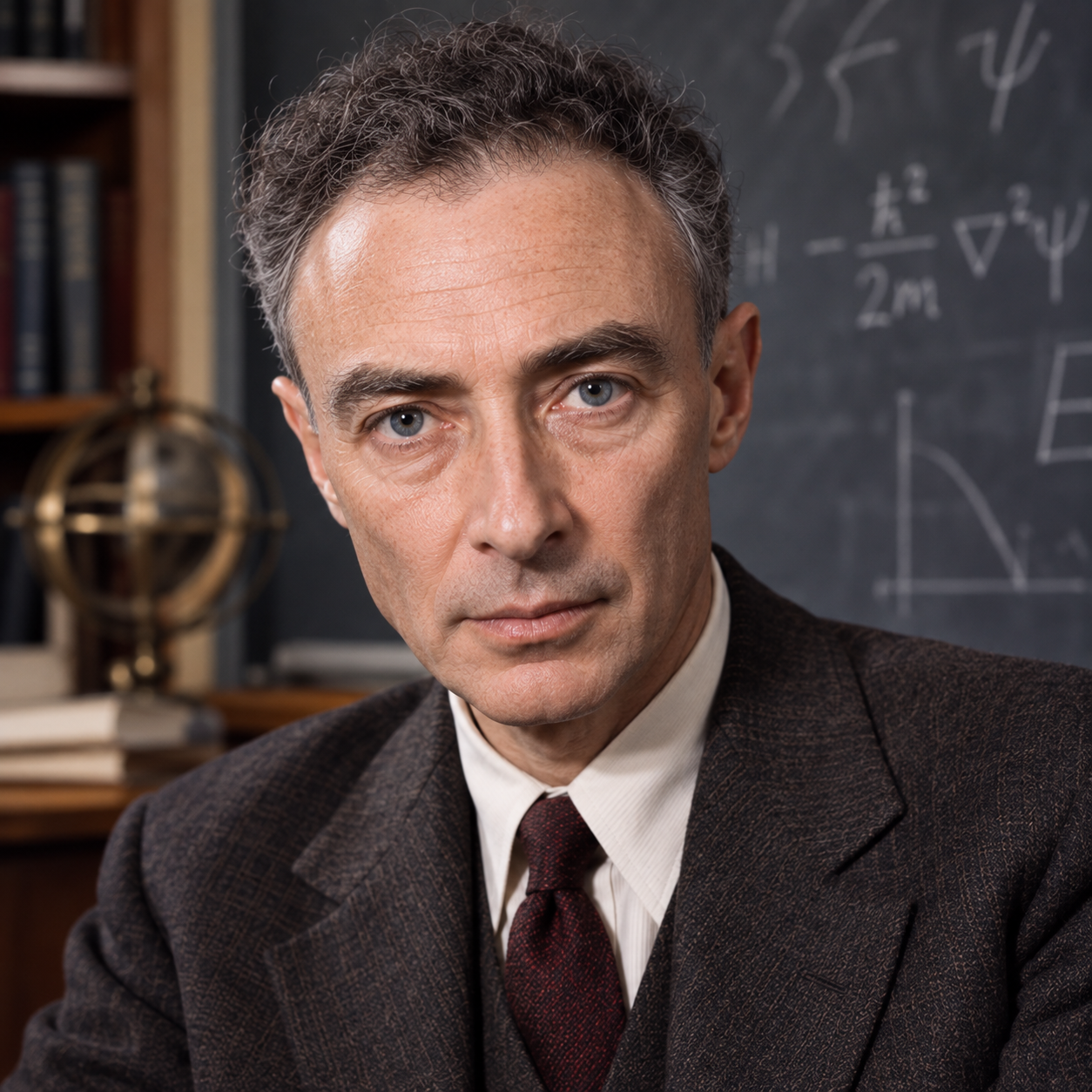
Images & artwork 11





Known for
- Manhattan Project leadership
- Born-Oppenheimer approximation
- Oppenheimer-Phillips process
- Theory of Black Holes
- 1954 Security Hearing
Episodes featuring or mentioning this figure
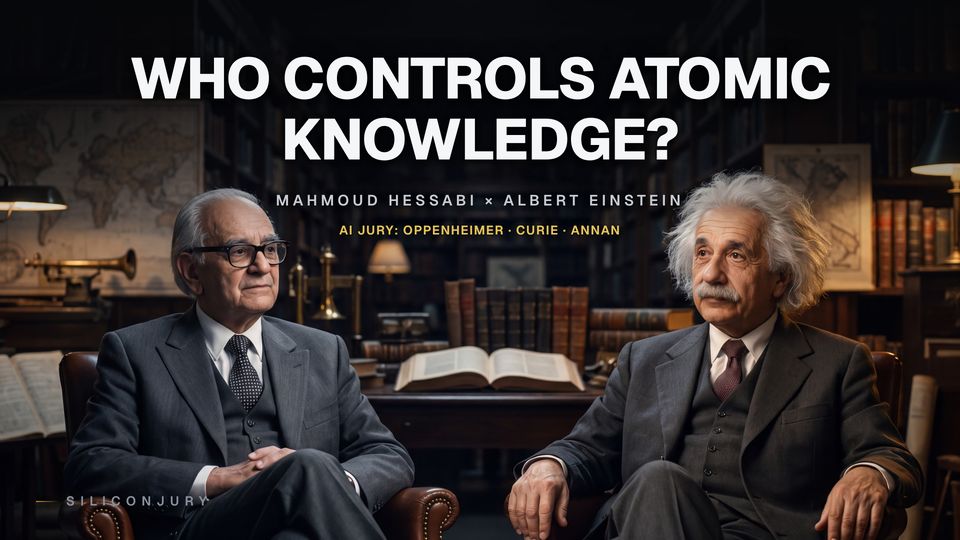
Mahmoud Hessabi vs Albert Einstein: Nuclear Access and Scientific Sovereignty
AI jury: 3 members
Should developing nations have unrestricted access to peaceful nuclear technology, or do the attendant geopolitical and safety risks demand strict limits?