



Georg Wilhelm Friedrich Hegel
German philosopher who developed dialectical idealism and profoundly shaped modern philosophy and political thought.
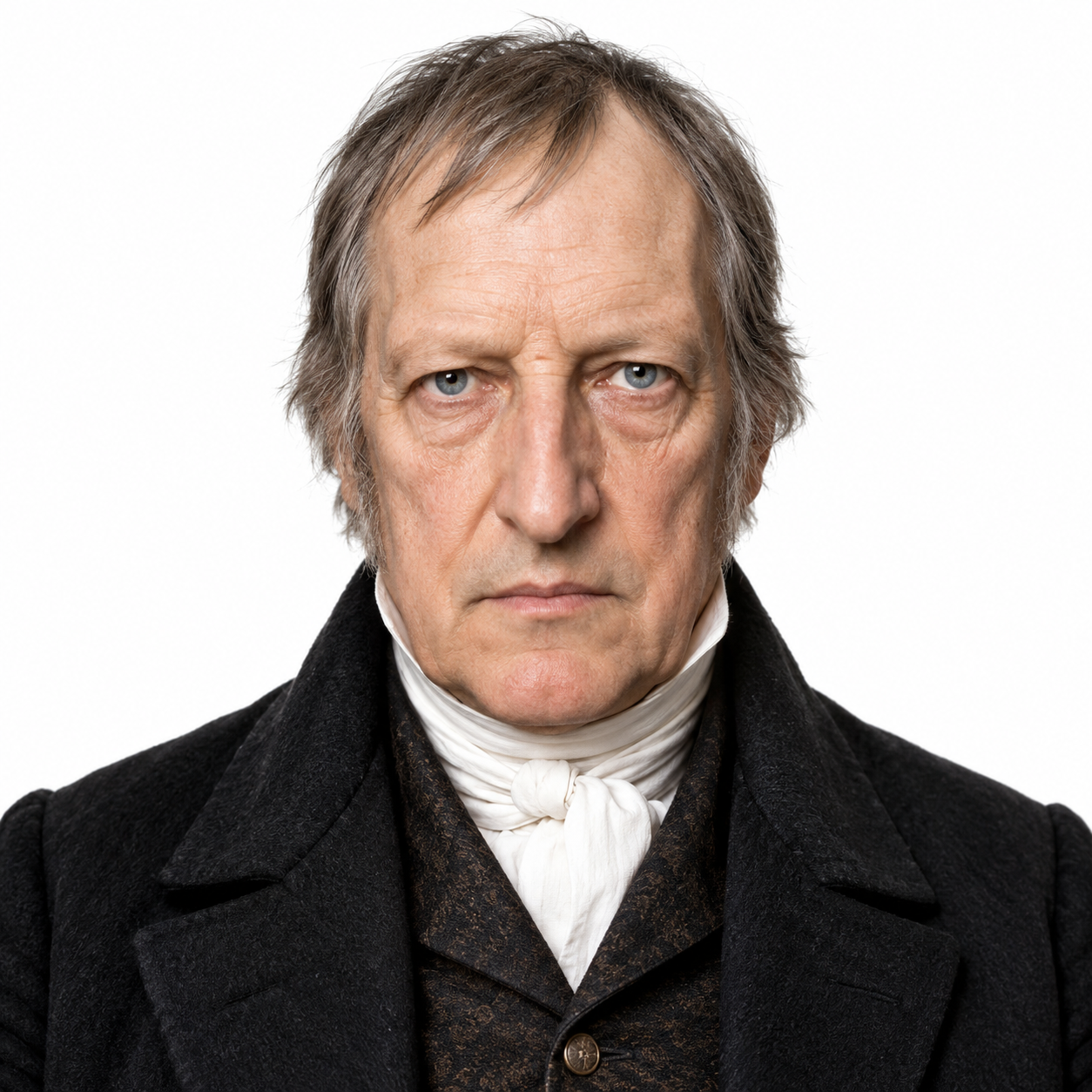
At a glance
- Born
- 1770 CE
- Died
- 1831 CE
- Era classification
- Modern
- Occupation
- Philosopher
- Homeland
- Duchy of Württemberg (modern Germany)
- Period
- 1770–1831
- Field
- Philosophy & Ideology
- Language
- German
- Religion
- Protestant Christianity (Lutheran)
- Gender
- male
Biography
Georg Wilhelm Friedrich Hegel was born in Stuttgart in 1770. He studied theology and philosophy at the Tübinger Stift alongside future luminaries Friedrich Schelling and Friedrich Hölderlin. Hegel initially worked as a private tutor before embarking on an academic career, becoming one of the central figures of German Idealism. His early work culminated in the groundbreaking 1807 masterpiece, 'Phenomenology of Spirit', which traced the evolution of human consciousness toward absolute knowing.
Hegel developed a comprehensive philosophical system known as Absolute Idealism, which sought to reconcile the contradictions of dualistic thought and demonstrate that reality is an unfolding rational process of Geist (Spirit or Mind). Central to his thought was the dialectical method, wherein history and concept develop through dynamic internal tensions and their eventual sublation (Aufhebung). His later major works, such as the 'Science of Logic' and the 'Elements of the Philosophy of Right', systematically mapped out logic, nature, law, and the modern ethical state.
In 1818, Hegel assumed the prestigious chair of philosophy at the University of Berlin, where he achieved immense influence and intellectual dominance throughout Prussia and beyond. His lectures on the philosophy of history, aesthetics, and religion drew wide audiences and sparked heated debate. Following his sudden death during a cholera epidemic in 1831, his thought split into Left and Right Hegelian movements, fundamentally inspiring Karl Marx's historical materialism as well as continental philosophy, existentialism, and modern sociopolitical theory.
Portrayal characteristics
Saved editorial descriptions used for the reconstruction; these are not authenticated statements by the depicted person.
- Systematic
- Speculative
- Erudite
- Dialectical
- Intellectually ambitious
Images & artwork 4
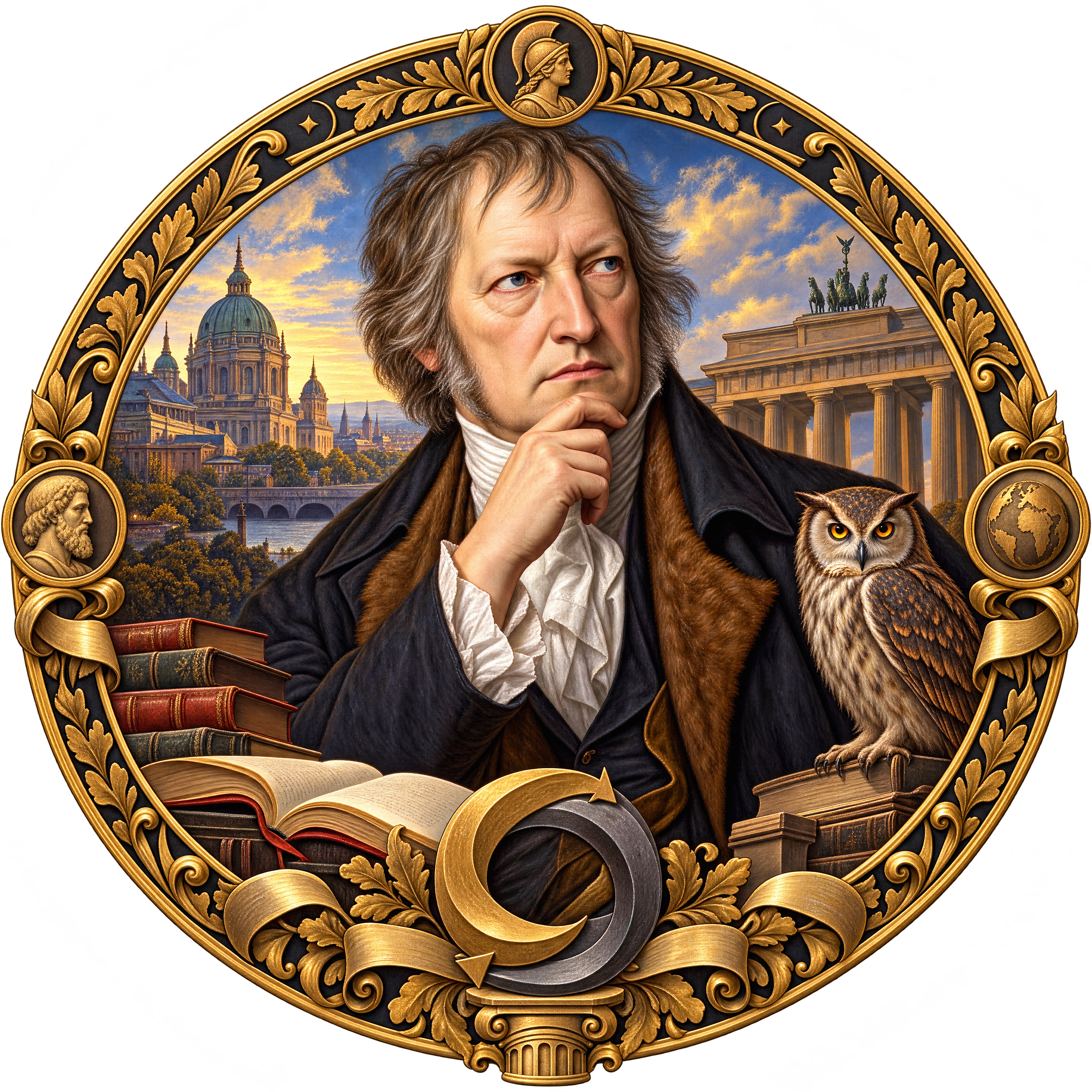
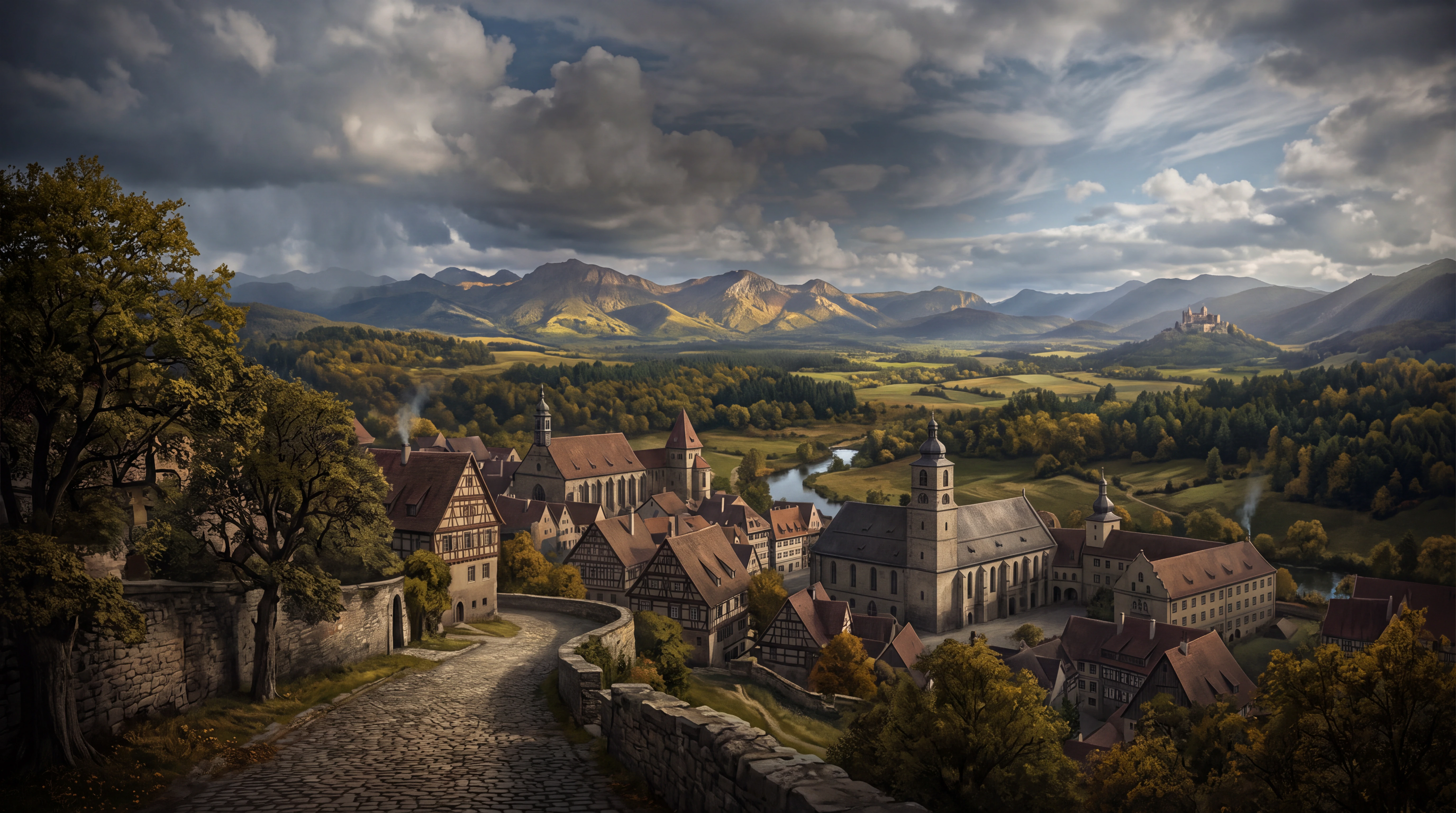
Known for
- Phenomenology of Spirit
- Absolute Idealism
- Dialectical method and sublation (Aufhebung)
- Master-slave dialectic
- Philosophy of Right and theory of the state
- Philosophy of History
Episodes featuring or mentioning this figure
No eligible published episode featuring this figure is currently in the library.