



Charles Babbage
English polymath and mechanical engineer who originated the concept of a digital programmable computer.
At a glance
- Born
- 1791 CE
- Died
- 1871 CE
- Era classification
- Modern
- Occupation
- Scientist (General)
- Homeland
- United Kingdom
- Period
- 1791-1871
- Field
- Science, Medicine & Engineering
- Language
- English
- Religion
- Anglican
- Gender
- male
Biography
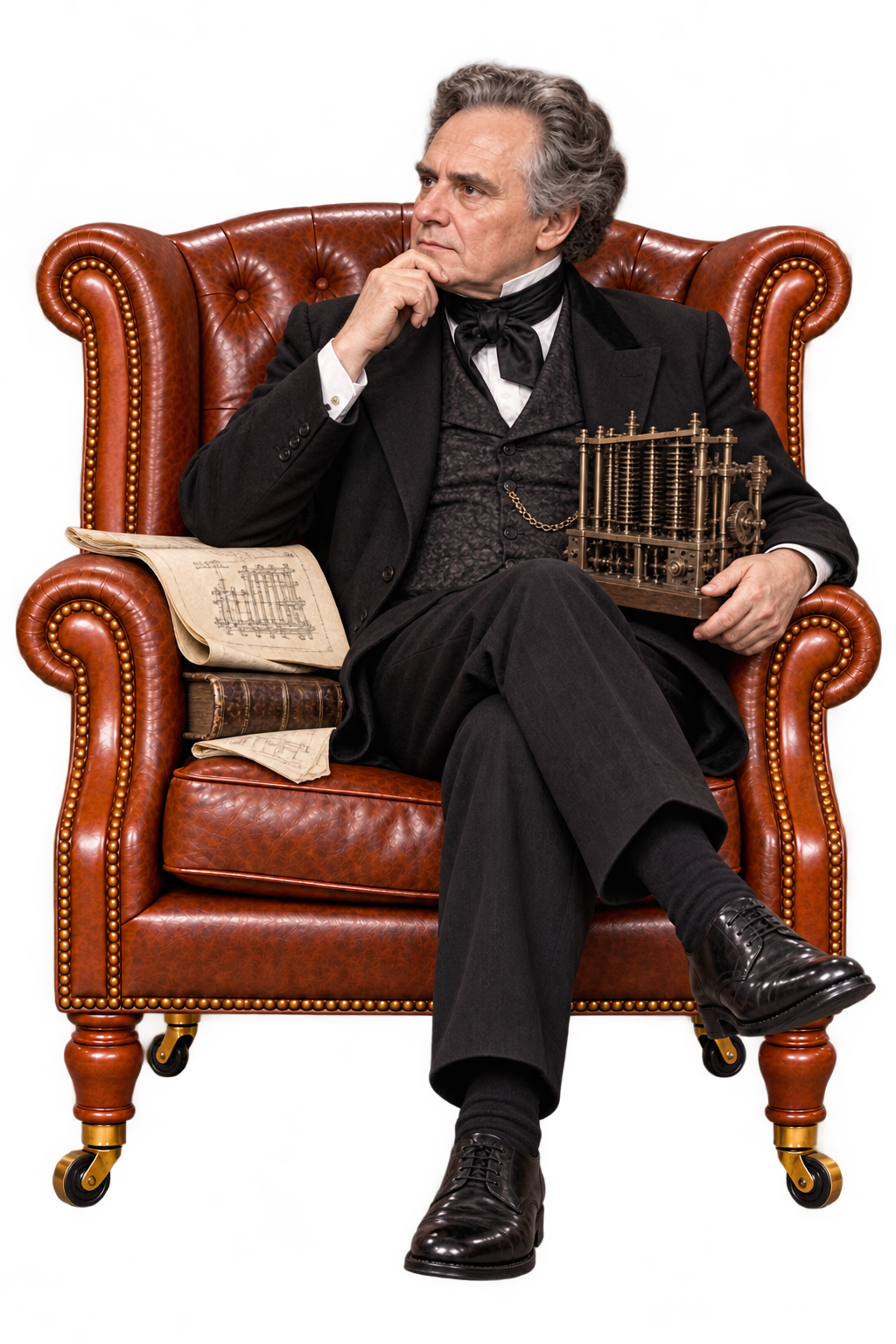
Charles Babbage was an English polymath, mathematician, and mechanical engineer who is widely considered the 'father of the computer.' He is best known for originating the concept of a digital programmable computer, a vision far ahead of the technology of his time.
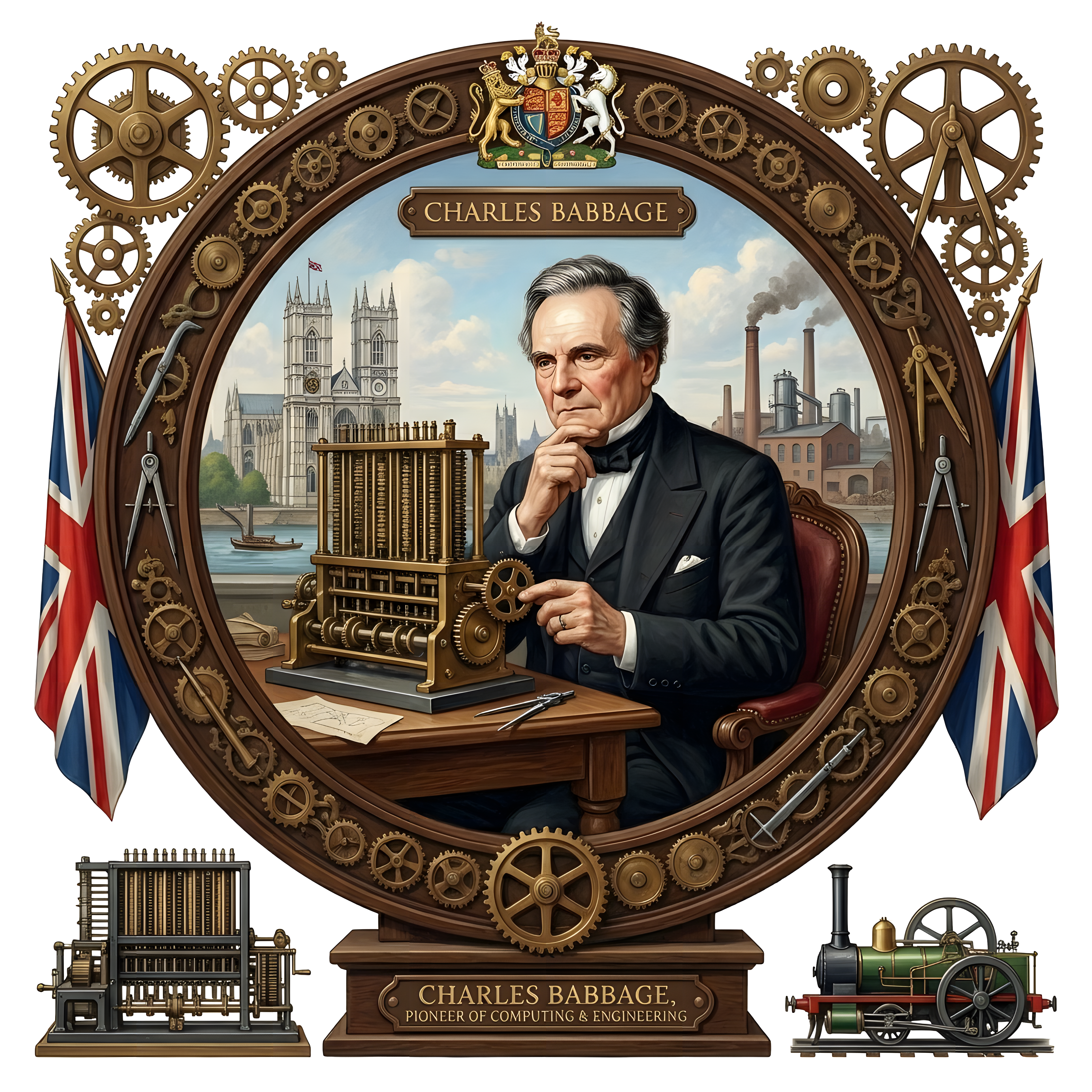
Babbage's most famous projects were the Difference Engine and the Analytical Engine. The Difference Engine was designed to calculate mathematical tables automatically, while the Analytical Engine was a more complex machine that incorporated features found in modern computers, such as an arithmetic logic unit and integrated memory. Although neither machine was fully completed during his lifetime, his designs proved the feasibility of mechanical computation.
Beyond his work in computing, Babbage made significant contributions to other fields, including economics and philosophy. He was a founding member of the Royal Astronomical Society and wrote extensively on the 'economy of machinery and manufactures.' His intellectual curiosity and drive for precision left a lasting mark on the history of science and technology.
Portrayal characteristics
Saved editorial descriptions used for the reconstruction; these are not authenticated statements by the depicted person.
- Visionary
- Meticulous
- Eccentric
- Persistent
- Analytical
Images & artwork 5


Known for
- Difference Engine
- Analytical Engine
- Concept of the computer
- Babbage's principle
Episodes featuring or mentioning this figure
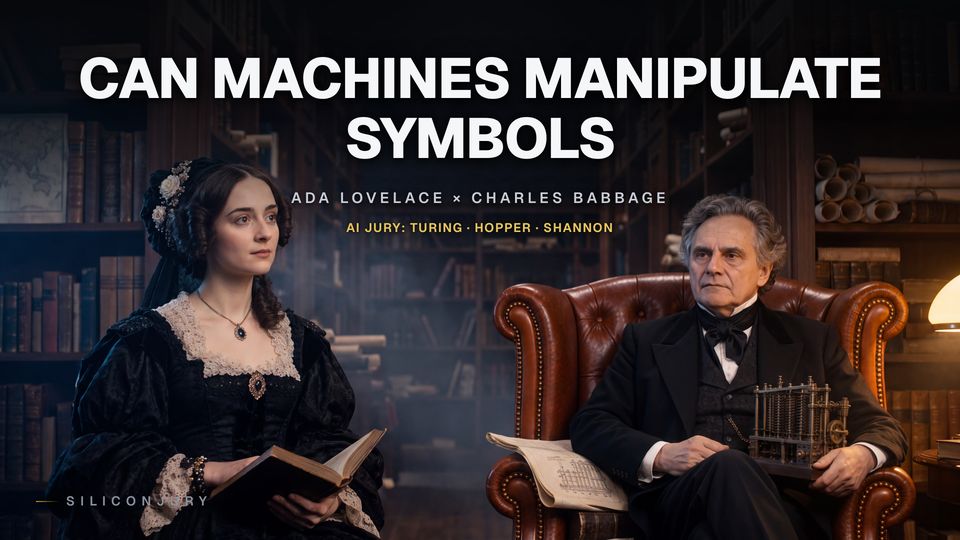
Ada Lovelace vs Charles Babbage: Calculating Numbers or Weaving Symbols?
AI jury: 3 members
Was the Analytical Engine conceived merely to automate numerical calculations for printed mathematical tables, or did it establish the foundational principles of universal…