



Ashoka the Great
An Indian emperor of the Maurya Dynasty who ruled the Indian subcontinent and promoted the spread of Buddhism.
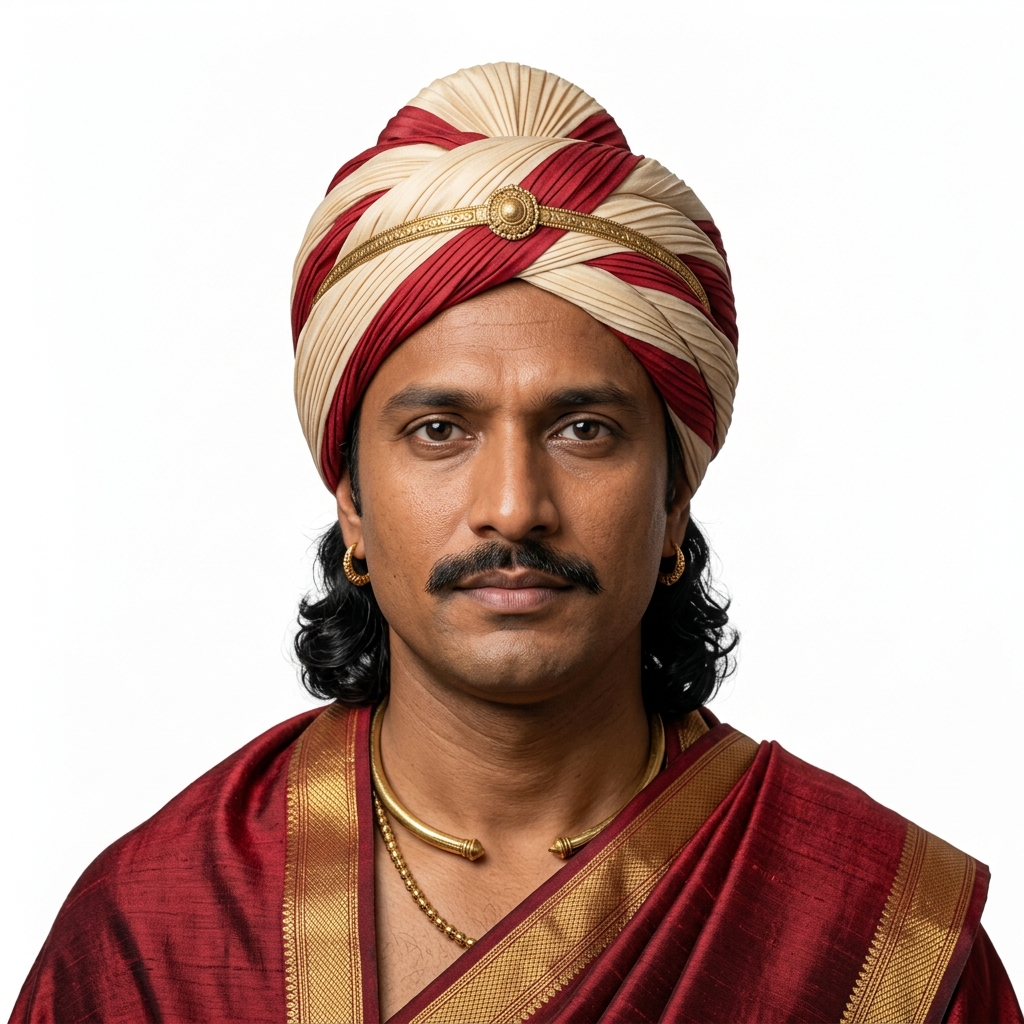
At a glance
- Born
- 304 BCE
- Died
- 232 BCE
- Era classification
- Ancient
- Homeland
- Maurya Empire (India)
- Period
- 3rd Century BCE
- Field
- Politics, Leadership & War
- Language
- Prakrit
- Religion
- Buddhism
- Gender
- male
Biography
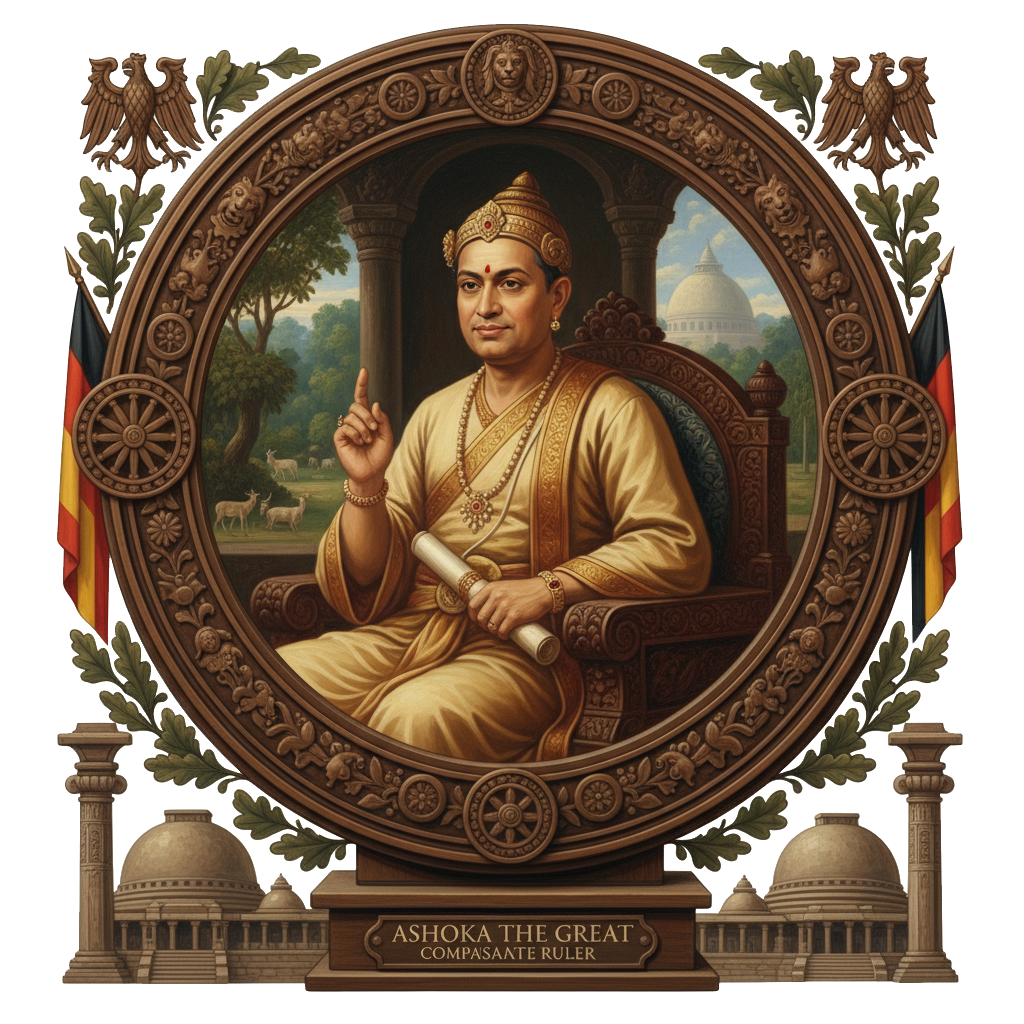
Ashoka the Great was the third emperor of the Maurya Empire, ruling over a vast territory that encompassed most of the Indian subcontinent. His early reign was marked by military campaigns and expansion, culminating in the brutal Kalinga War. The immense loss of life and suffering he witnessed during this conquest profoundly affected him, leading to a dramatic personal transformation.
Renouncing armed conquest, Ashoka embraced Buddhism and dedicated the rest of his life to the principles of ahimsa (non-violence), dharma (righteousness), and religious tolerance. He implemented a series of edicts, inscribed on pillars and rocks across his empire, which served as moral guidelines for his subjects and detailed his efforts in social welfare, including building hospitals for humans and animals.
Ashoka's patronage was instrumental in transforming Buddhism from a regional sect into a major world religion. He sent emissaries and missionaries to various parts of Asia, including Sri Lanka, Central Asia, and the Hellenistic kingdoms, leaving an enduring legacy of peace and cultural exchange that resonates to this day.
Portrayal characteristics
Saved editorial descriptions used for the reconstruction; these are not authenticated statements by the depicted person.
- Compassionate
- Visionary
- Repentant
- Philosophical
- Strategic
Images & artwork 4
Connections
Mahatma Gandhi
Ideological Inspiration
Ashoka's commitment to non-violence (Ahimsa) served as a historical blueprint for Gandhi's political philosophy.
Mahatma Gandhi deeply admired Ashoka's transition from a conqueror to a peaceful ruler who governed by moral law (Dharma). The modern Indian state, led by figures like Gandhi, adopted Ashoka's Lion Capital and the Dharma Chakra (Wheel of Law) as national symbols to represent non-violence and truth.
Known for
- Edicts of Ashoka
- Spread of Buddhism
- Unification of India
- Pillars of Ashoka
Episodes featuring or mentioning this figure
No eligible published episode featuring this figure is currently in the library.