



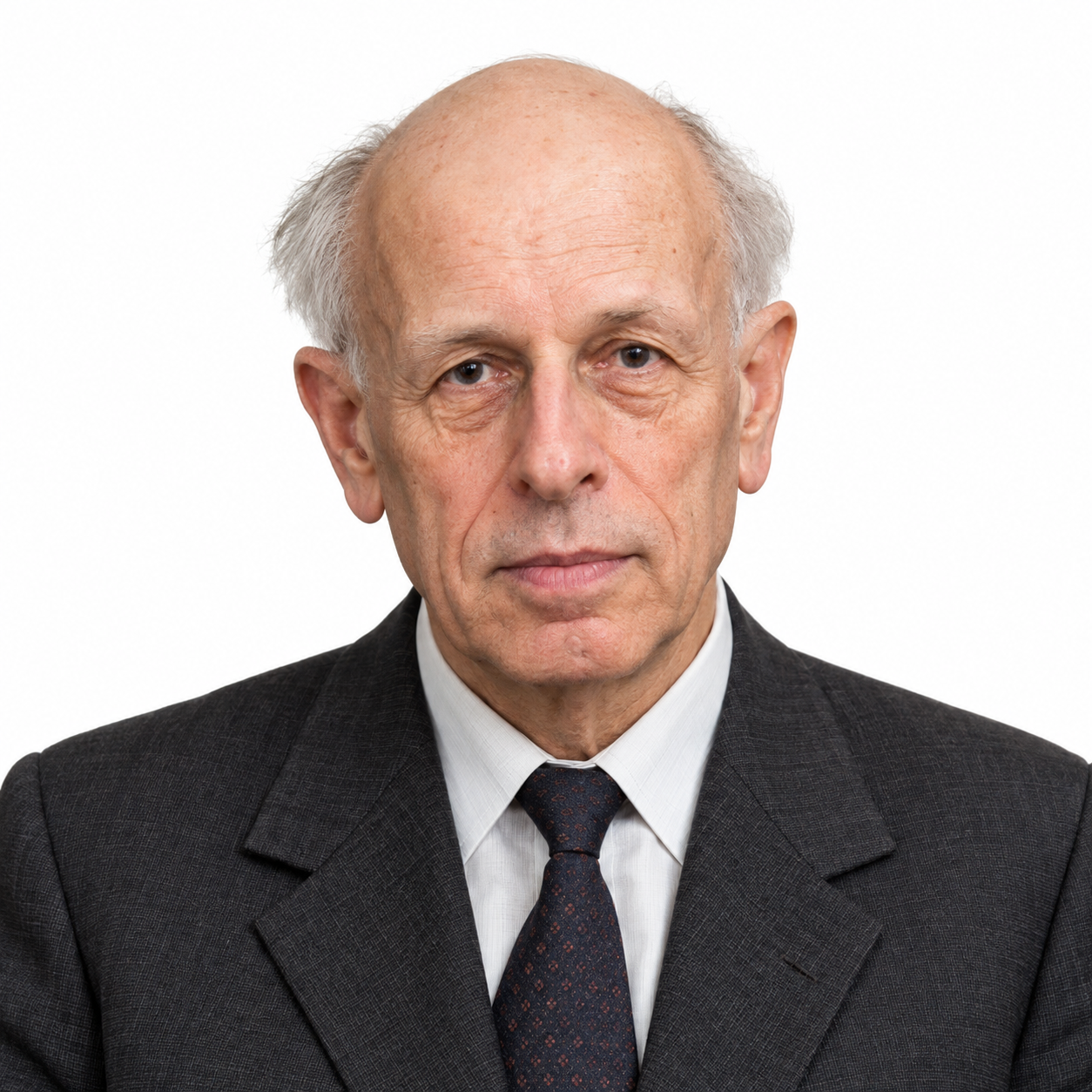
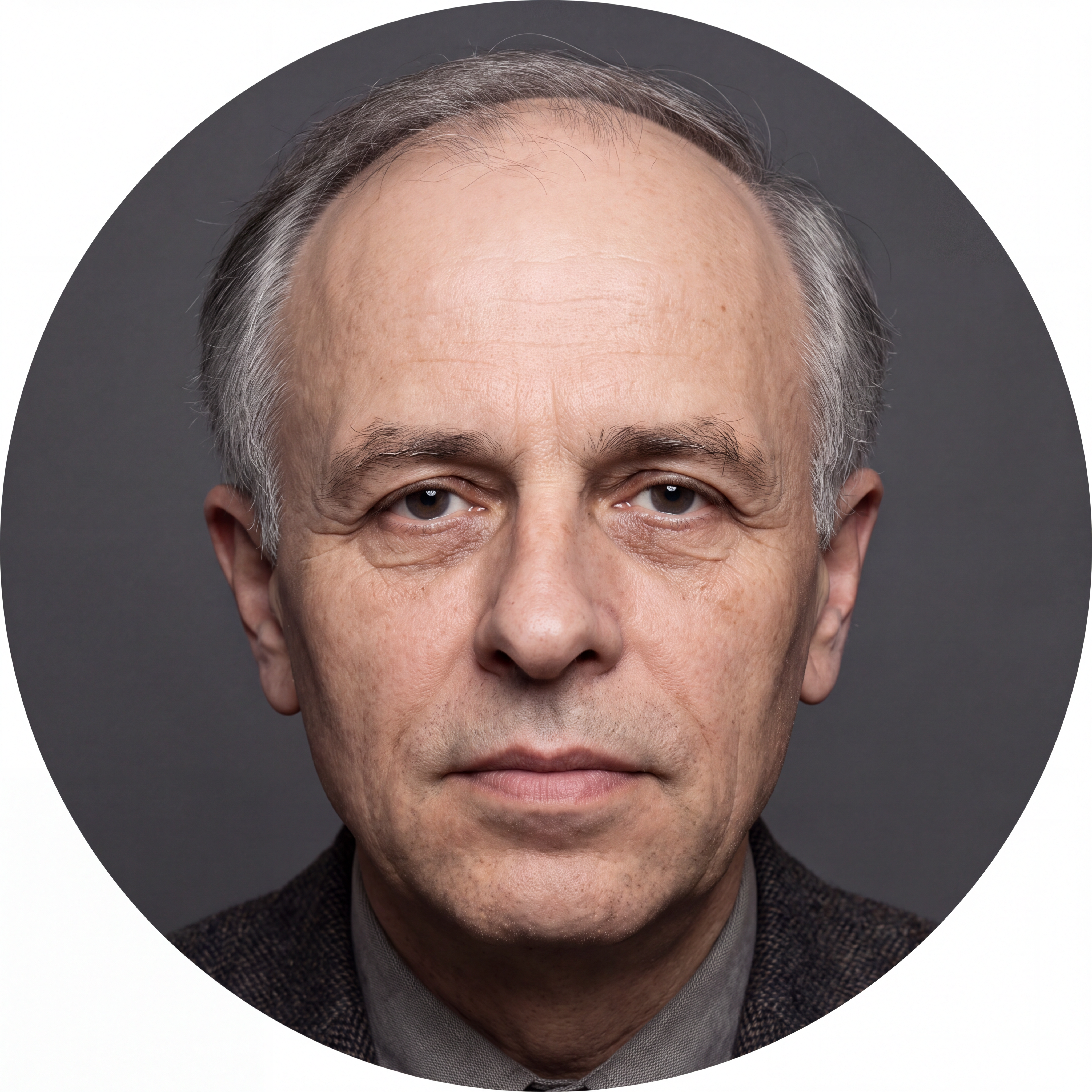
Andrei Sakharov
Soviet nuclear physicist who became a leading human rights activist and recipient of the 1975 Nobel Peace Prize.
At a glance
- Born
- 1921 CE
- Died
- 1989 CE
- Era classification
- Modern
- Occupation
- Physicist
- Homeland
- Soviet Union
- Period
- 20th Century
- Field
- Science & Innovation
- Language
- Russian
- Religion
- Atheist
- Gender
- male
Biography
Andrei Dmitrievich Sakharov was born in Moscow in 1921 into a family of academics. After studying physics at Moscow State University and completing his doctorate at the Lebedev Physical Institute under Igor Tamm, he was assigned to the Soviet nuclear weapons program in 1948. Working at the secret installation Arzamas-16, Sakharov became a central figure in the development of the Soviet thermonuclear arsenal, formulating the fundamental theoretical concepts for the RDS-6s and the two-stage RDS-37 hydrogen bombs. Alongside Tamm, he also pioneered the Tokamak concept, which remains the foundational design for controlled magnetic confinement fusion.
By the late 1950s, Sakharov grew deeply concerned about the biological hazards of radioactive fallout from atmospheric nuclear tests. His calculations on mutation rates and atmospheric contamination led him to lobby Soviet authorities vigorously against further testing, contributing directly to the conclusion of the 1963 Partial Nuclear Test Ban Treaty. His transition to broader political advocacy accelerated with the 1968 clandestine publication of his essay, 'Reflections on Progress, Peaceful Coexistence, and Intellectual Freedom,' which called for an end to the Cold War, universal civil liberties, and convergence between capitalist and socialist systems. Consequently, the Soviet government revoked his security clearances and barred him from state weapons research.
In 1970, Sakharov co-founded the Moscow Human Rights Committee, establishing himself as a foremost critic of the Soviet regime and an advocate for political prisoners and religious freedoms. In 1975, he was awarded the Nobel Peace Prize, with the Nobel Committee citing his fearless commitment to human rights and world peace, though Soviet authorities barred him from traveling to Oslo to receive the honor. Following his outspoken condemnation of the 1979 Soviet invasion of Afghanistan, Sakharov was stripped of his state honors in January 1980 and placed under indefinite internal exile in the closed city of Gorky, where he and his wife, Yelena Bonner, faced intense KGB surveillance, physical isolation, and forced feeding during hunger strikes.
In December 1986, Soviet General Secretary Mikhail Gorbachev initiated a telephone call to Sakharov that ended his exile under the emerging reforms of glasnost and perestroika. Returning to Moscow, Sakharov immediately re-entered public life as an uncompromising moral authority. In 1989, he was elected to the Congress of People's Deputies, where he served as a co-leader of the democratic parliamentary opposition, proposing constitutional reforms to abolish the Communist Party's monopoly on power until his death from heart failure in December 1989.
Portrayal characteristics
Saved editorial descriptions used for the reconstruction; these are not authenticated statements by the depicted person.
- Principled
- Intellectually rigorous
- Courageous
- Humanitarian
- Tenacious
Images & artwork 3

Known for
- Theoretical design of the Soviet thermonuclear bomb (RDS-37)
- Pioneering the Tokamak design for magnetic confinement fusion
- Advocacy leading to the 1963 Partial Nuclear Test Ban Treaty
- Recipient of the 1975 Nobel Peace Prize
- Leading dissident voice for human rights and democracy in the USSR
Episodes featuring or mentioning this figure
No eligible published episode featuring this figure is currently in the library.