



Shah Abbas the Great
The greatest ruler of the Safavid dynasty who oversaw a golden age of Iranian art, architecture, and statecraft.
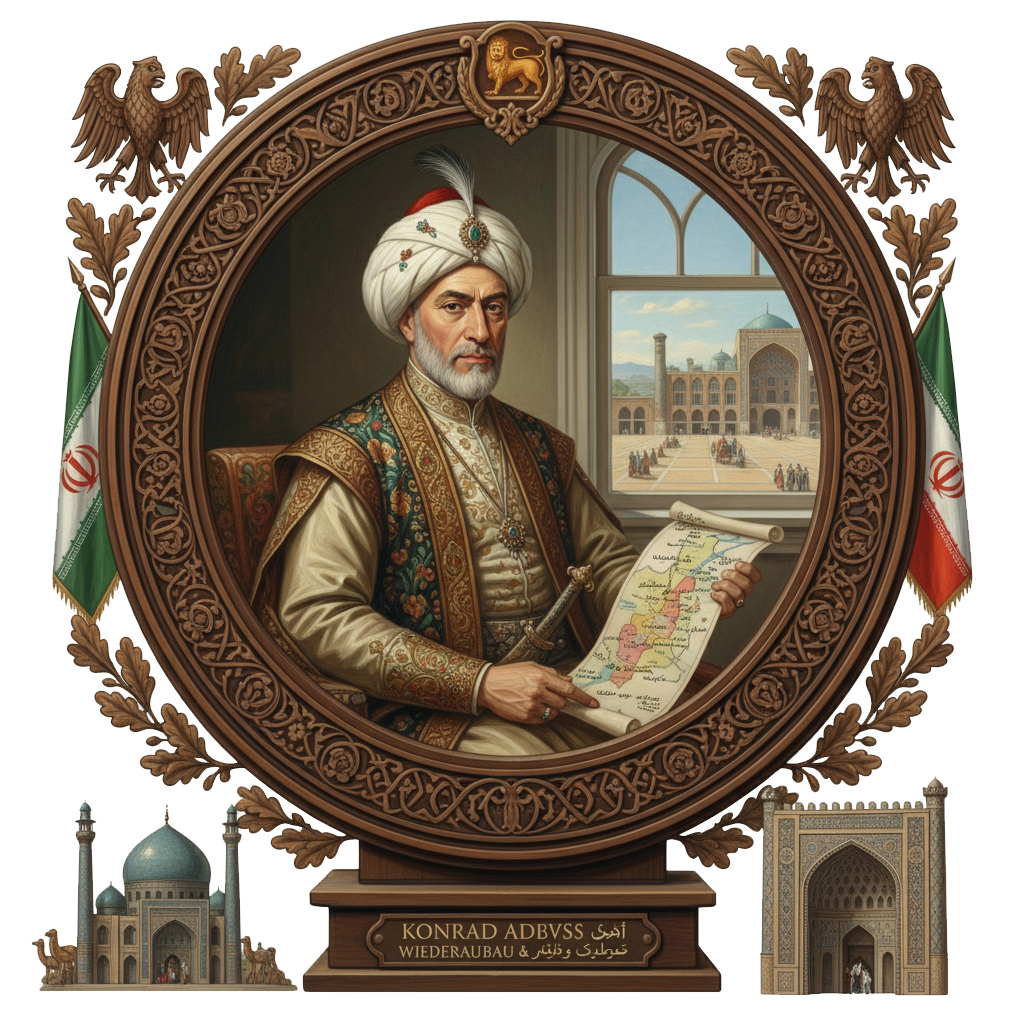
At a glance
- Born
- 1571 CE
- Died
- 1629 CE
- Era classification
- Modern
- Homeland
- Iran
- Period
- Safavid Empire
- Field
- Politics & Leadership
- Language
- Farsi
- Religion
- Islam (Shia)
- Gender
- male
Biography
Shah Abbas I, commonly known as Shah Abbas the Great, ascended to the Safavid throne in 1588 during a time of severe crisis. The empire was threatened by the Ottomans in the west and the Uzbeks in the east, while internal factions weakened the state. Abbas immediately set about centralizing power, reducing the influence of the unruly Qizilbash tribal leaders, and establishing a standing army equipped with modern firearms, aided by European advisors.
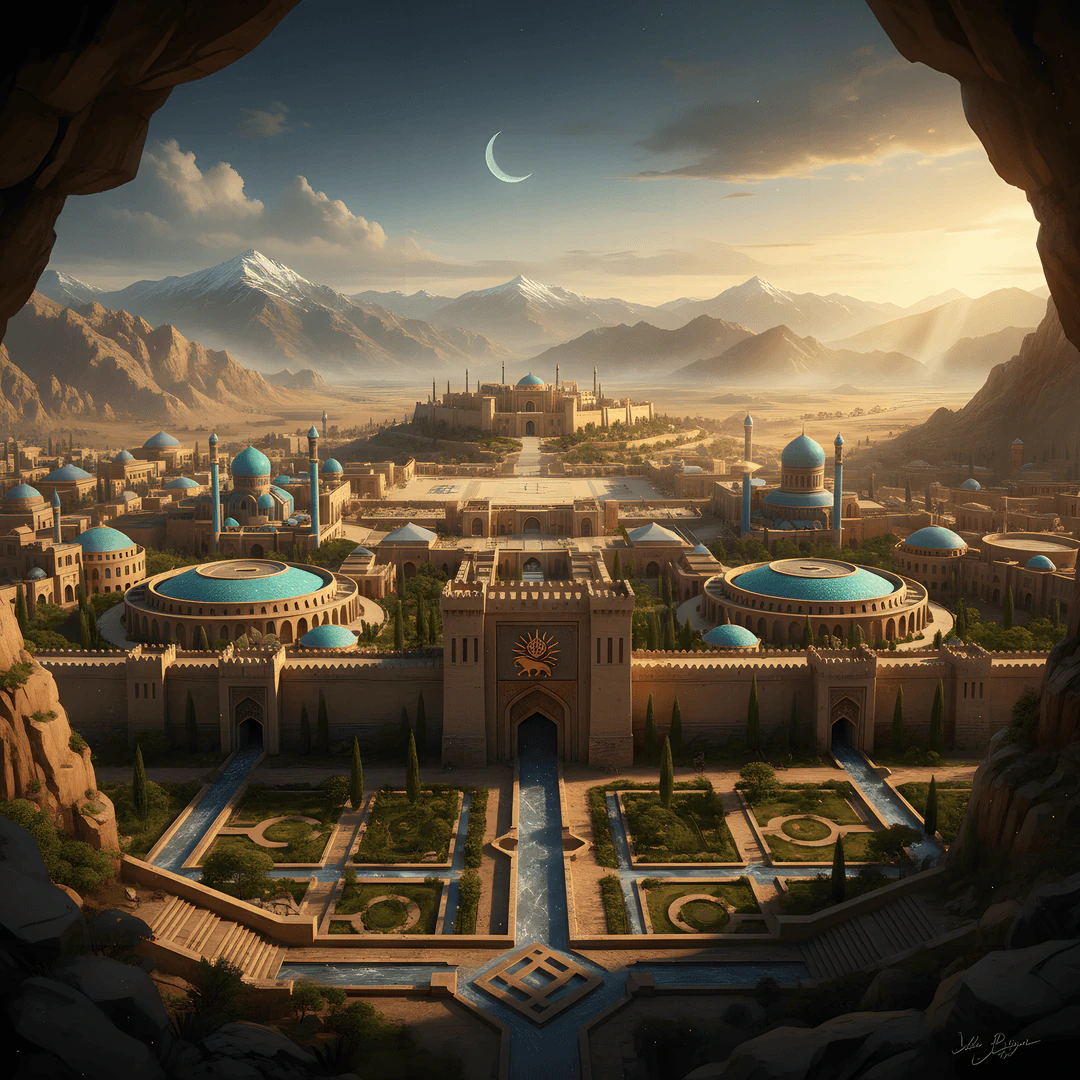
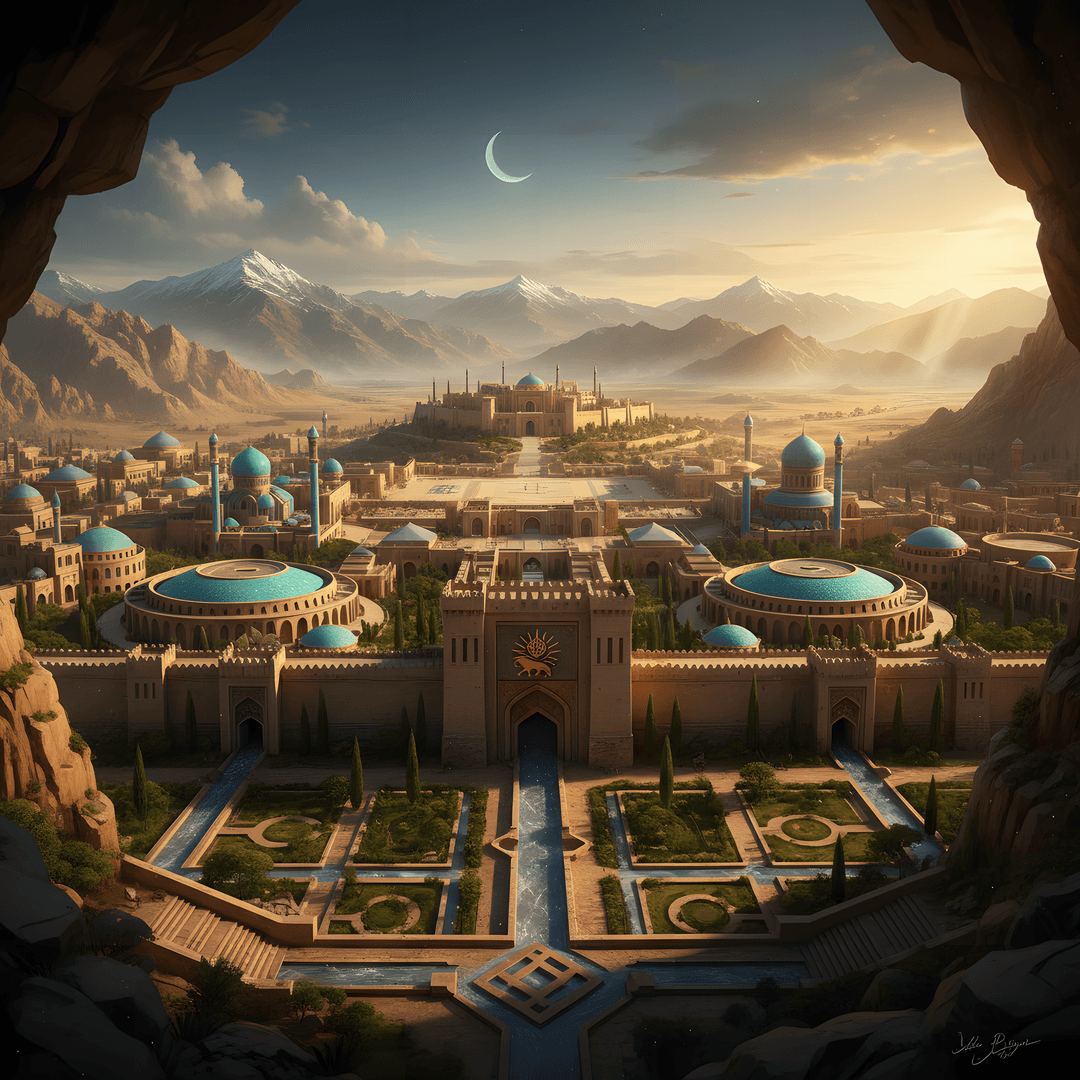
With his newly reformed military, Abbas successfully reclaimed lost territories from both the Ottomans and the Uzbeks, securing Iran's borders and re-establishing the Safavid Empire as a dominant regional power. Beyond his military successes, he was a visionary administrator and a great patron of the arts. He relocated the imperial capital to Isfahan, transforming it into one of the most beautiful and prosperous cities in the world, filled with magnificent mosques, palaces, and public squares.
Under his rule, Iranian commerce, silk trade, and diplomatic relations with Europe flourished. He established a state monopoly over the silk trade and welcomed Armenian merchants to his new capital to boost the economy. Though his reign was marked by profound cultural and economic achievements, Abbas was also notoriously suspicious of his own family, blinding or executing his sons to prevent them from usurping his throne.
Portrayal characteristics
Saved editorial descriptions used for the reconstruction; these are not authenticated statements by the depicted person.
- Pragmatic
- Visionary
- Patron of arts
- Decisive
- Strategic
Images & artwork 3
Connections
Nader Shah Afshar
Historical Predecessor
Nader Shah sought to restore the imperial prestige and territorial boundaries established by Shah Abbas I.
Nader viewed himself as the restorer of Iranian greatness after the Safavid decline. He consciously modeled his military expansions and administrative centralization on the successes of Shah Abbas, eventually surpassing the Safavid borders through his conquests in India and Central Asia.
Queen Elizabeth I
Diplomatic Contemporaries
Shah Abbas I sought a strategic alliance with Queen Elizabeth I to counter the power of the Ottoman Empire.
Through the mediation of the Sherley brothers, Abbas attempted to coordinate military and trade efforts with England. This era marked the beginning of significant Persian-European diplomacy, aimed at opening a second front against their mutual Ottoman rivals.
Nader Shah Afshar
Successor in Power
Nader Shah rose to power after the collapse of the Safavid dynasty that Abbas the Great had brought to its zenith.
Nader Shah is often compared to Abbas for his military genius and efforts to restore Iran's borders. While Abbas built the institutional and architectural heart of the empire in Isfahan, Nader Shah reclaimed the territories lost after the Safavid decline.
Known for
- Moving the capital to Isfahan
- Creating a standing army
- Economic and cultural renaissance
- Defeating the Ottoman Empire
Episodes featuring or mentioning this figure
No eligible published episode featuring this figure is currently in the library.