



John Rawls
American philosopher who revitalized modern political theory with his landmark concept of justice as fairness.
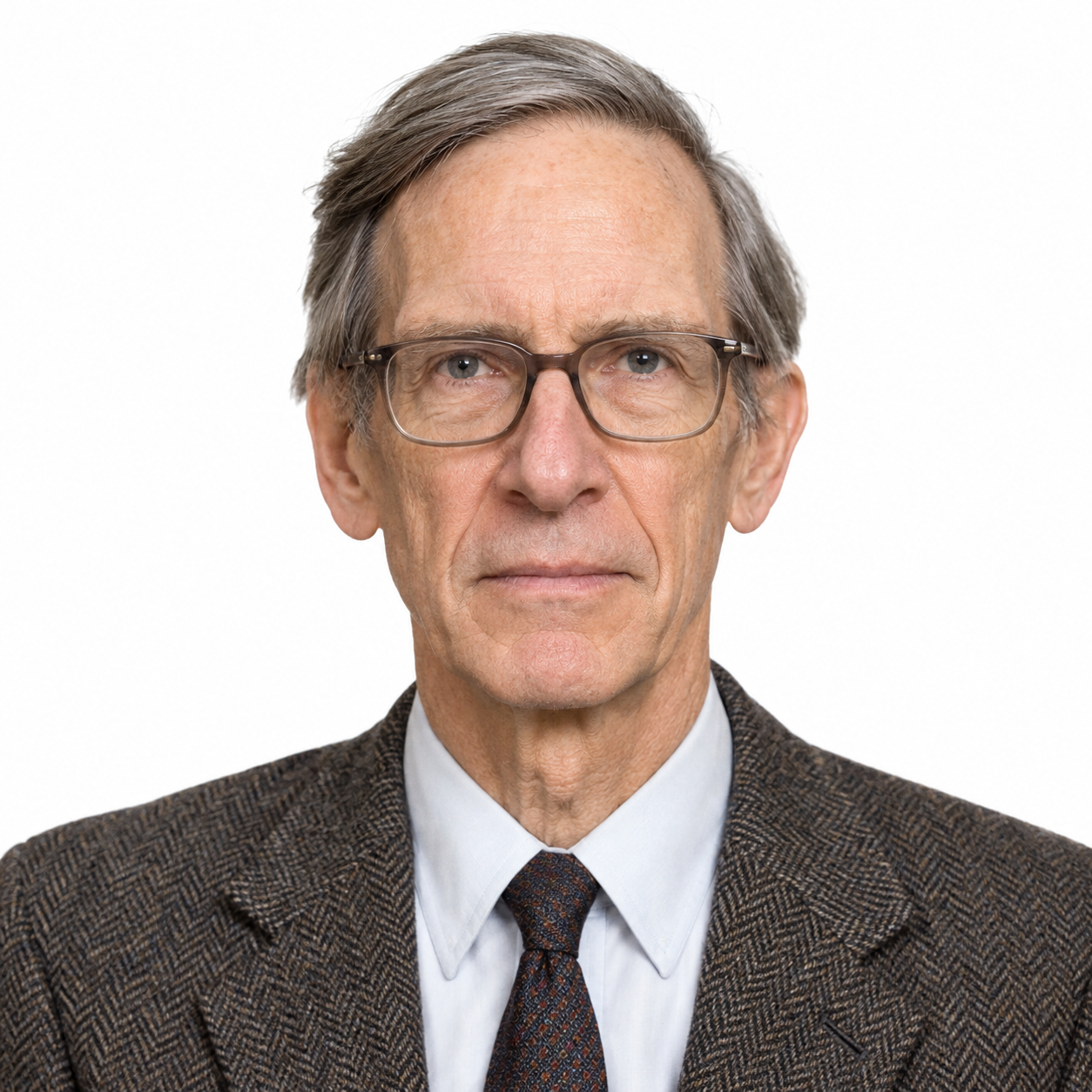
At a glance
- Born
- 1921 CE
- Died
- 2002 CE
- Era classification
- Modern
- Occupation
- Philosopher
- Homeland
- United States
- Period
- 20th century
- Field
- Philosophy & Ideology
- Language
- English
- Religion
- Agnosticism
- Gender
- male
Biography
John Bordley Rawls was born in Baltimore, Maryland, in 1921. He attended Princeton University, where his early interest in theology shifted toward political philosophy and ethics following his harrowing experiences as an infantryman in the Pacific theater of World War II. Witnessing the devastation of war and the horrors of the Holocaust profoundly shaped his lifelong inquiry into human justice, morality, and legitimate governance.
Rawls earned his Ph.D. from Princeton and eventually joined the faculty at Harvard University in 1962, where he taught for several decades. In 1971, he published his magnum opus, 'A Theory of Justice', which revived the social contract tradition and challenged the dominant utilitarian framework of the era. The book introduced foundational thought experiments such as the 'original position' and the 'veil of ignorance', arguing that rational individuals ignorant of their social standing would choose principles prioritizing basic liberties and supporting the least advantaged.
In his later work, particularly 'Political Liberalism' (1993) and 'The Law of Peoples' (1999), Rawls refined his ideas to address how a stable and just society of free and equal citizens can live peacefully amidst profound moral, philosophical, and religious disagreements through an 'overlapping consensus'. He also extended his principles of justice to international relations, seeking a framework for a peaceful global order.
Rawls is widely regarded as one of the most significant political philosophers of the 20th century. His work fundamentally transformed the landscape of political philosophy, ethics, and jurisprudence, setting the terms for modern debates on equality, liberty, and distributive justice until his death in 2002.
Portrayal characteristics
Saved editorial descriptions used for the reconstruction; these are not authenticated statements by the depicted person.
- Egalitarian
- Methodical
- Humble
- Analytical
- Principled
Images & artwork 4



Known for
- A Theory of Justice
- The Veil of Ignorance and Original Position
- Justice as Fairness
- The Difference Principle
- Political Liberalism
Episodes featuring or mentioning this figure
No eligible published episode featuring this figure is currently in the library.