



Ernesto "Che" Guevara de la Serna
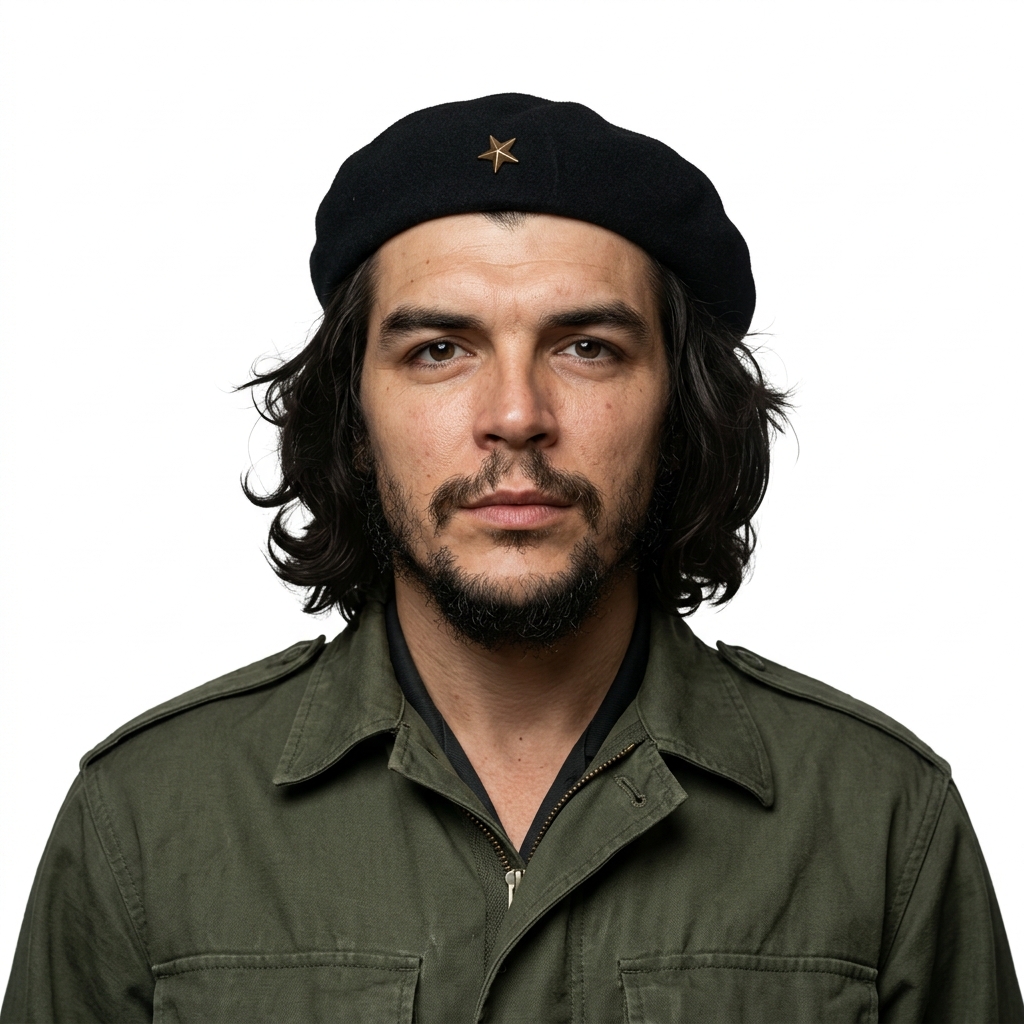
An Argentine Marxist revolutionary and physician who became a global icon of rebellion and anti-imperialism.
At a glance
- Born
- June 14, 1928 CE
- Died
- October 9, 1967 CE
- Era classification
- Modern
- Occupation
- Revolutionary / Physician / Military Leader
- Homeland
- Argentina
- Period
- 1928-1967 CE
- Field
- Politics, Leadership & War
- Language
- Spanish
- Religion
- Atheist
- Gender
- male
Biography
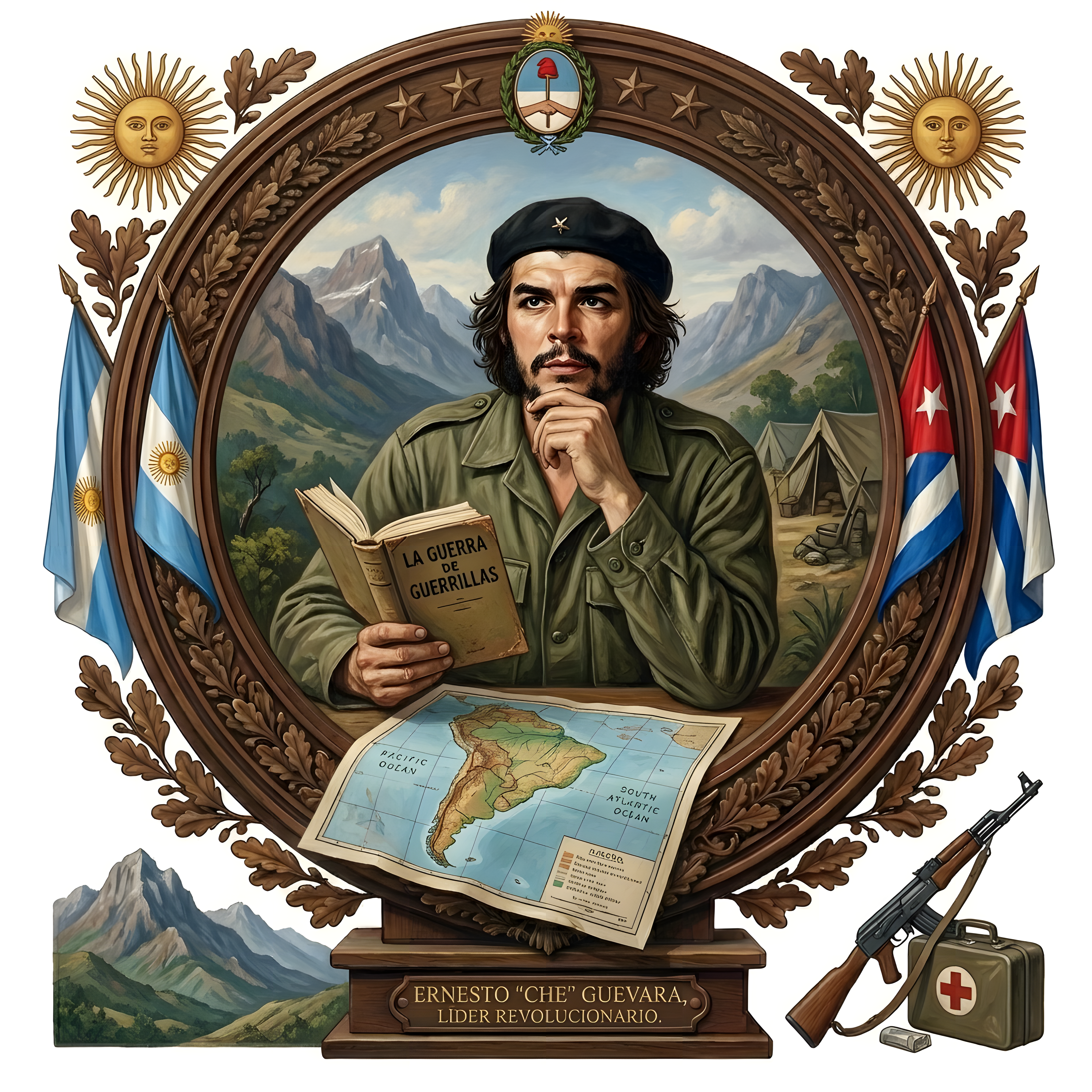
Born in Rosario, Argentina, Ernesto Guevara was a medical student who underwent a profound political transformation while traveling across South America. Witnessing the systemic poverty and exploitation of the working classes, he concluded that only armed revolution could dismantle the socio-economic disparities of the continent. This journey, later chronicled in 'The Motorcycle Diaries', led him to join Fidel Castro’s 26th of July Movement in Mexico.
During the Cuban Revolution, Guevara rose to the rank of 'Comandante' and played a decisive role in the 1958 Battle of Santa Clara, which forced dictator Fulgencio Batista to flee. Following the victory, he served in several high-ranking positions in the new Cuban government, including Minister of Industries and President of the National Bank, where he attempted to shift the nation's economy toward industrialization and moral incentives over material ones.
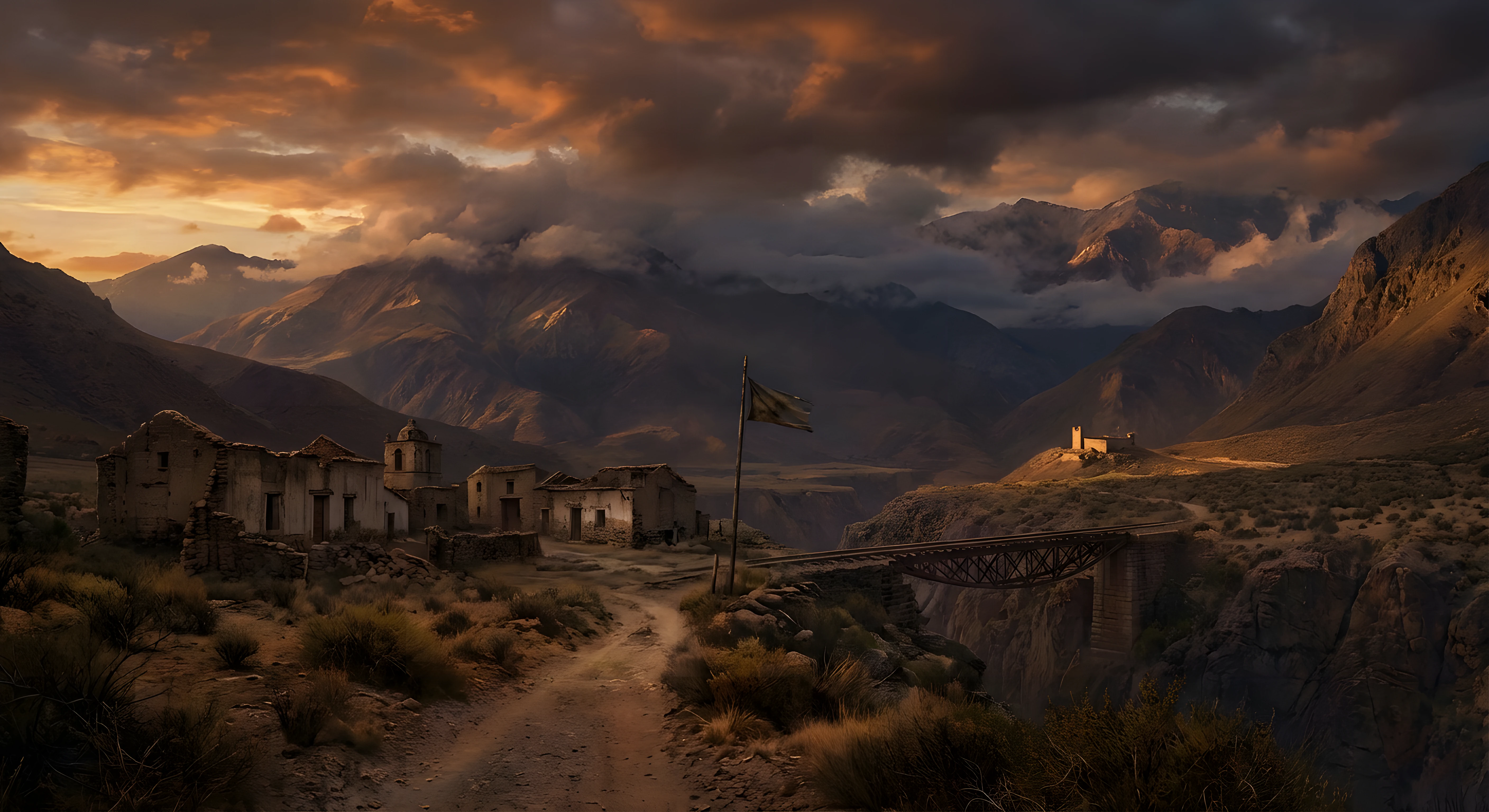
Driven by a commitment to internationalism, Guevara eventually left Cuba to export revolution to other parts of the world. He led a failed guerrilla mission in the Congo before traveling to Bolivia to start a peasant uprising. His tactical approach, known as 'foquismo', relied on small, mobile guerrilla units to create the conditions for a general revolution, though this strategy faced significant challenges in the Bolivian highlands.
In 1967, Guevara was captured by Bolivian forces assisted by the CIA and was executed shortly thereafter. Since his death, he has become a multifaceted historical figure: a martyr for social justice and anti-colonialism to many, and a symbol of authoritarian violence to others. His stylized image remains one of the most recognizable icons of the 20th century.
Portrayal characteristics
Saved editorial descriptions used for the reconstruction; these are not authenticated statements by the depicted person.
- Idealistic
- Disciplined
- Ascetic
- Militant
- Intellectual
- Resolute
Images & artwork 4
Known for
- Cuban Revolution
- Guerrilla Warfare Theory
- The Motorcycle Diaries
- Battle of Santa Clara
- Global Anti-Imperialism
Episodes featuring or mentioning this figure
No eligible published episode featuring this figure is currently in the library.