



Benito Juárez
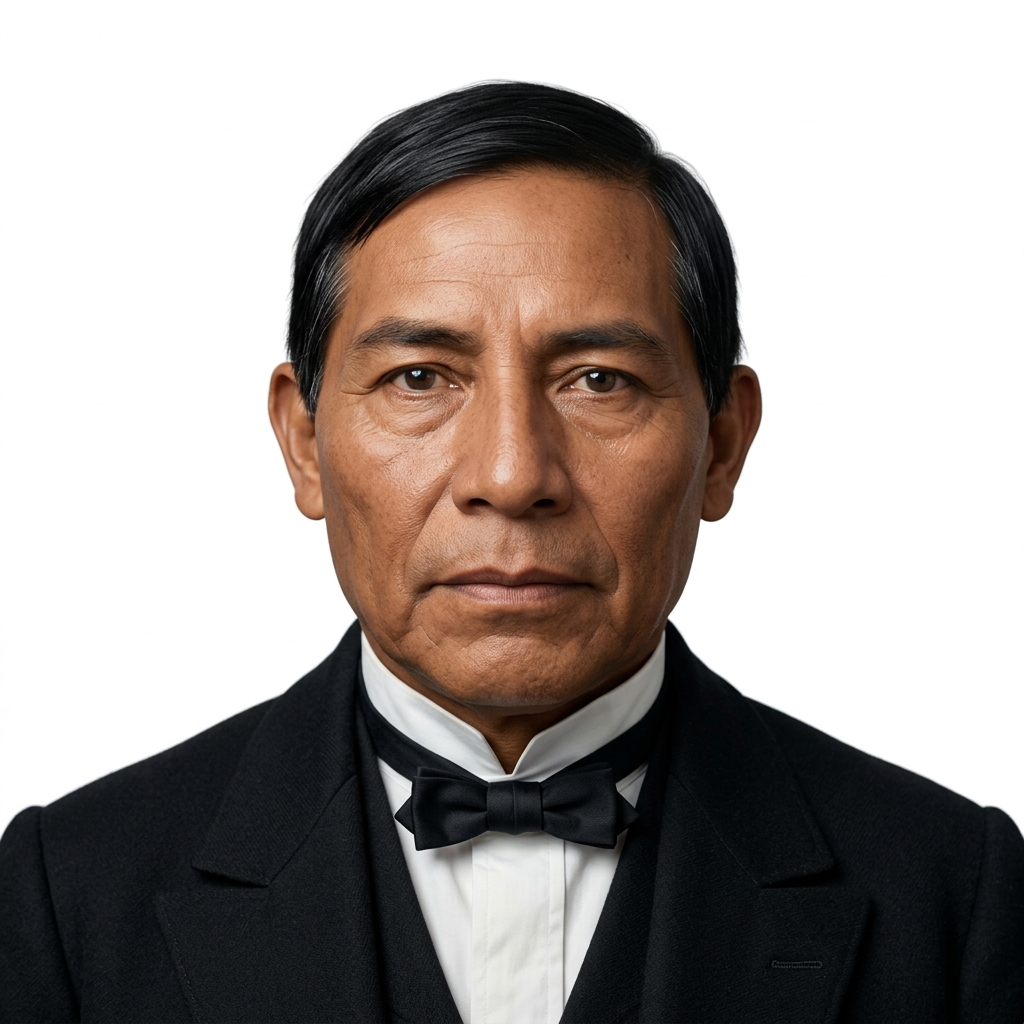
A Mexican lawyer and politician of Zapotec origin who served as the 26th president of Mexico.
At a glance
- Born
- 1806 CE
- Died
- 1872 CE
- Era classification
- Modern
- Homeland
- Mexico
- Period
- 19th Century
- Field
- Politics & Leadership
- Language
- Spanish
- Religion
- Catholic
- Gender
- male
Biography
Benito Pablo Juárez García was a Mexican lawyer and politician of Zapotec origin from Oaxaca who served as the 26th president of Mexico from 1858 until his death in 1872. He was the first indigenous president of Mexico and a key figure in the country's transition to a modern, secular state.
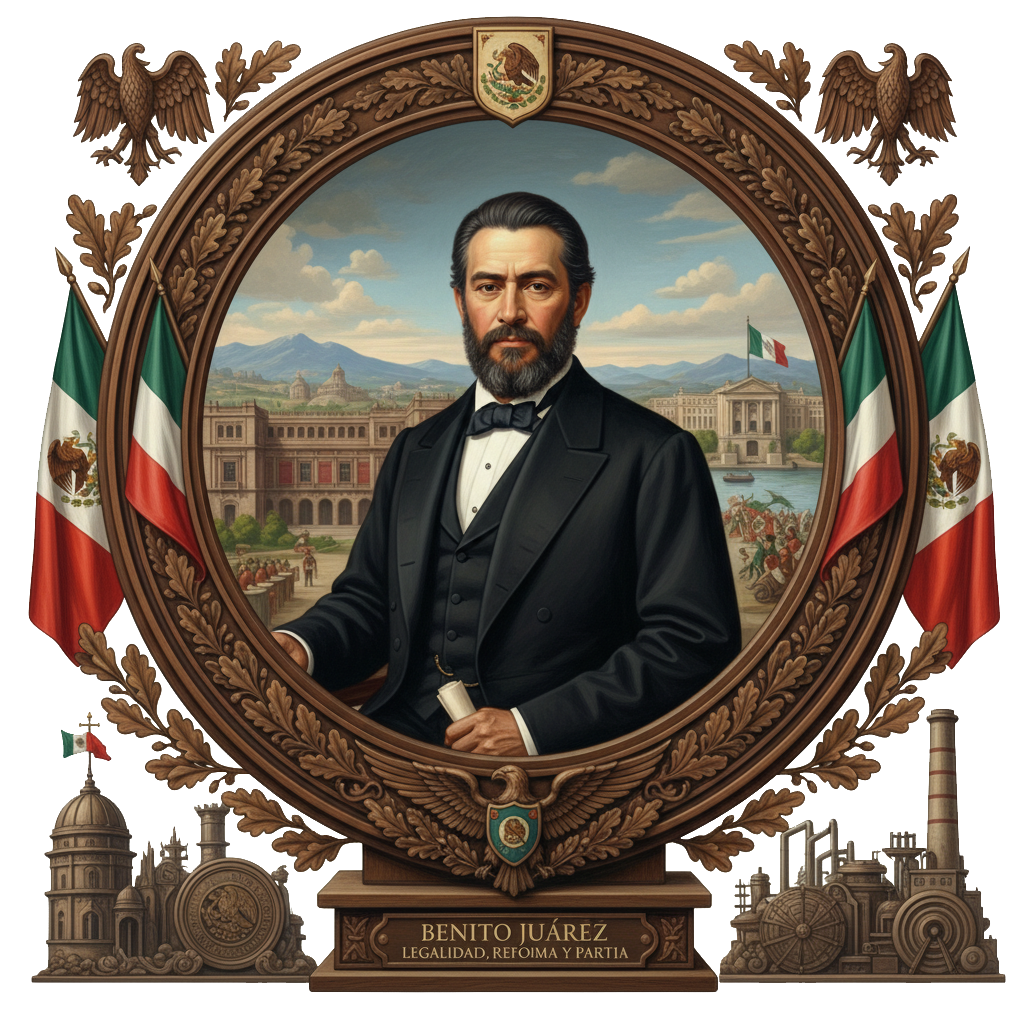
Juárez is remembered for his role in the Reform War and his resistance against the French intervention in Mexico, which sought to establish the Second Mexican Empire under Maximilian I. His government enacted the liberal La Reforma laws, which curtailed the power of the Catholic Church and the military, and established a secular constitution in 1857.
His steadfast leadership during a period of immense turmoil solidified his status as a national hero. His famous quote, 'Entre los individuos, como entre las naciones, el respeto al derecho ajeno es la paz' (Among individuals, as among nations, respect for the rights of others is peace), remains a cornerstone of Mexican diplomacy.
Portrayal characteristics
Saved editorial descriptions used for the reconstruction; these are not authenticated statements by the depicted person.
- Resolute
- Principled
- Stoic
- Visionary
- Patriotic
Images & artwork 4


Connections
Abraham Lincoln
Contemporary Allies
Lincoln supported Juárez's republican government during the French Intervention in Mexico.
While the United States was embroiled in its own Civil War, Lincoln maintained a policy of friendship toward Juárez and refused to recognize the French-backed regime of Maximilian I. This diplomatic stance was crucial in isolating the imperial government and allowing Juárez to eventually reclaim control of Mexico.
Miguel Hidalgo y Costilla
Ideological Successor
Juárez codified the secular and democratic ideals first championed by Hidalgo during the independence movement.
Juárez viewed his 'La Reforma' movement as the fulfillment of the independence struggle started by Hidalgo. He transformed Hidalgo's early vision of a free Mexico into a modern secular state through the Constitution of 1857 and the Reform Laws.
Diego Rivera
Artistic Subject
Rivera prominently featured Juárez in his murals as a symbol of Mexican sovereignty.
In his famous mural 'Dream of a Sunday Afternoon in the Alameda Central,' Rivera depicts Juárez holding the Constitution of 1857. Rivera used Juárez's image to represent the triumph of the Republic and the foundational role of indigenous leadership in Mexican history.
Known for
- La Reforma laws
- Defeating the French Intervention
- First indigenous president of Mexico
- Establishing a secular state
Episodes featuring or mentioning this figure
No eligible published episode featuring this figure is currently in the library.