



Amir Kabir
A visionary prime minister of Iran who initiated critical modernization reforms during the early Qajar period.
At a glance
- Born
- 1807 CE
- Died
- 1852 CE
- Era classification
- Modern
- Homeland
- Iran
- Period
- Qajar Dynasty
- Field
- Politics & Leadership
- Language
- Farsi
- Religion
- Islam (Shia)
- Gender
- male
Biography
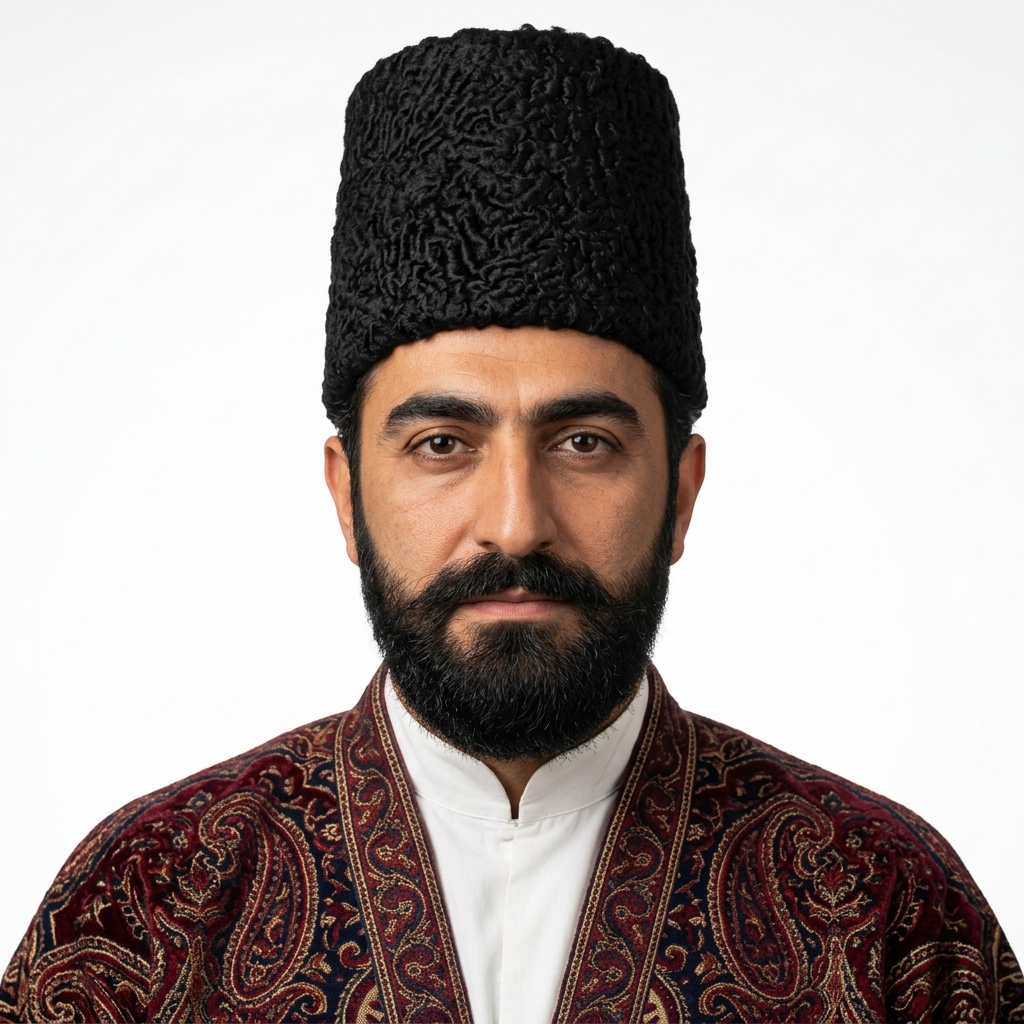
Mirza Taghi Khan Farahani, widely known by his title Amir Kabir, was a transformative Prime Minister of Iran under Naser al-Din Shah Qajar. Born into a humble family—his father was a cook—his exceptional intelligence was recognized early, allowing him to receive an education alongside the nobility. He rose through the administrative ranks, eventually becoming the young Shah's tutor and, upon the Shah's accession to the throne in 1848, his chief minister.
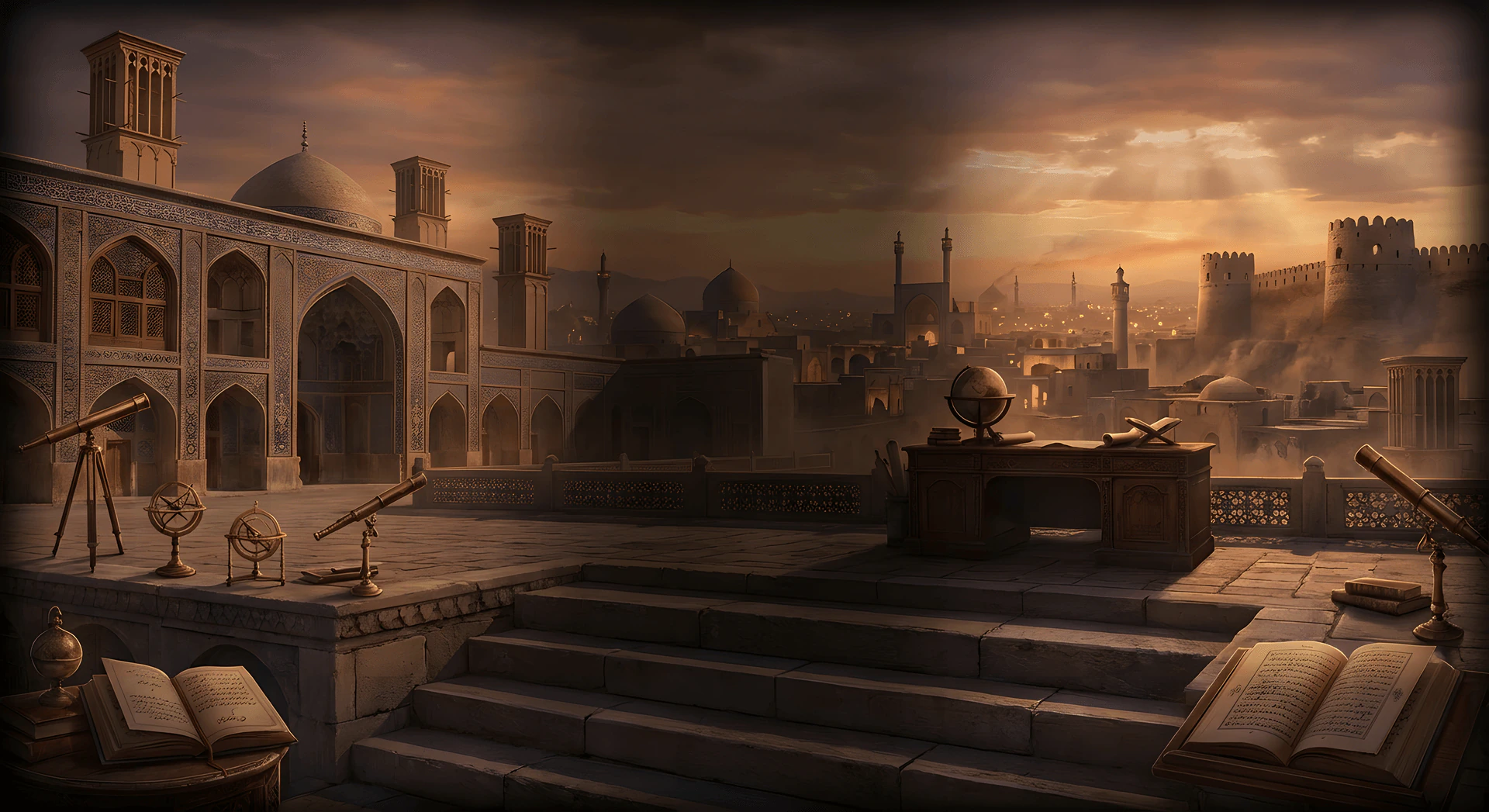
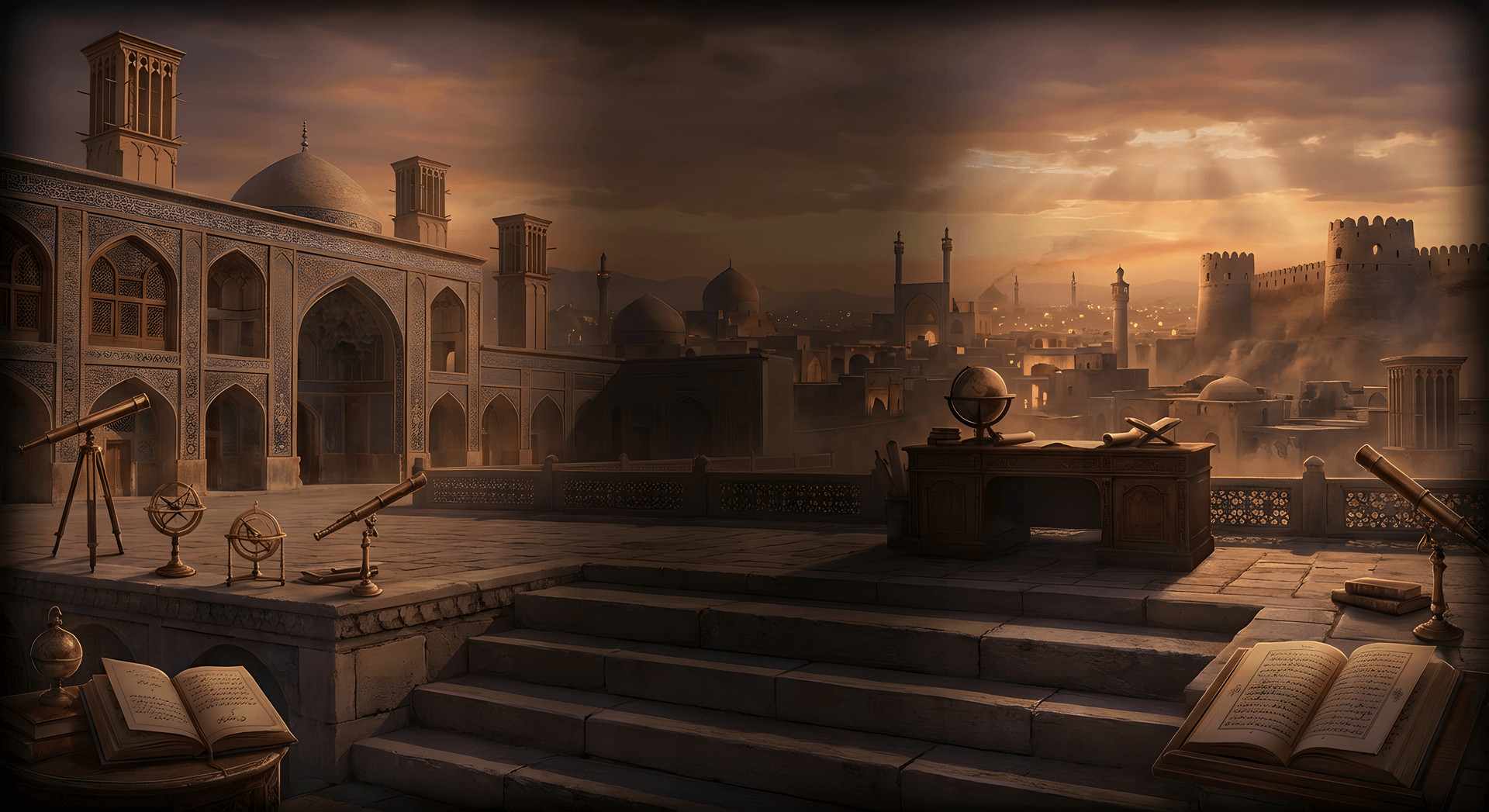
During his brief but impactful three-year tenure, Amir Kabir launched a sweeping modernization program aimed at saving Iran from foreign domination and internal decay. He founded the Dar ul-Funun, Iran's first modern university, which brought European sciences and engineering to Iranian students. He also reformed the tax system, balanced the state budget, curtailed the power of the clergy and corrupt courtiers, and established the first modern Iranian newspaper, 'Vaqaye-e Ettefaqiyeh'.
Amir Kabir's relentless drive against corruption and his efforts to centralize power earned him powerful enemies at court, including the Shah's own mother. They successfully conspired to turn the young monarch against his mentor. In 1851, Amir Kabir was dismissed and exiled to Kashan, where he was murdered in the Fin Bathhouse on the Shah's orders. His death is widely mourned in Iranian history as a tragic loss of a patriotic reformer who could have altered the nation's destiny.
Portrayal characteristics
Saved editorial descriptions used for the reconstruction; these are not authenticated statements by the depicted person.
- Reformist
- Patriotic
- Incorruptible
- Progressive
- Pragmatic
Images & artwork 4
Connections
Nizam al-Mulk
Historical Comparison
Both are regarded as the most significant and reform-minded grand viziers in the history of the Iranian state.
Historians frequently compare Amir Kabir's 19th-century administrative reforms and the founding of the Dar al-Funun to the institutional stability and educational patronage provided by Nizam al-Mulk in the 11th century.
Mustafa Kemal Atatürk
Modernizing Influence
Amir Kabir is often seen as a precursor to later Middle Eastern modernizers like Mustafa Kemal Atatürk.
His efforts to centralize the state, reduce clerical influence in civil matters, and introduce Western science and technology laid the conceptual groundwork for the secular modernization movements of the 20th century.
Known for
- Founding Dar ul-Funun
- Modernizing the Iranian state
- Administrative and tax reforms
- Combating corruption
Episodes featuring or mentioning this figure
No eligible published episode featuring this figure is currently in the library.