



Yoshiaki Tsutsumi
Japanese tycoon who led the Seibu Group and was ranked as the world's wealthiest person by Forbes.
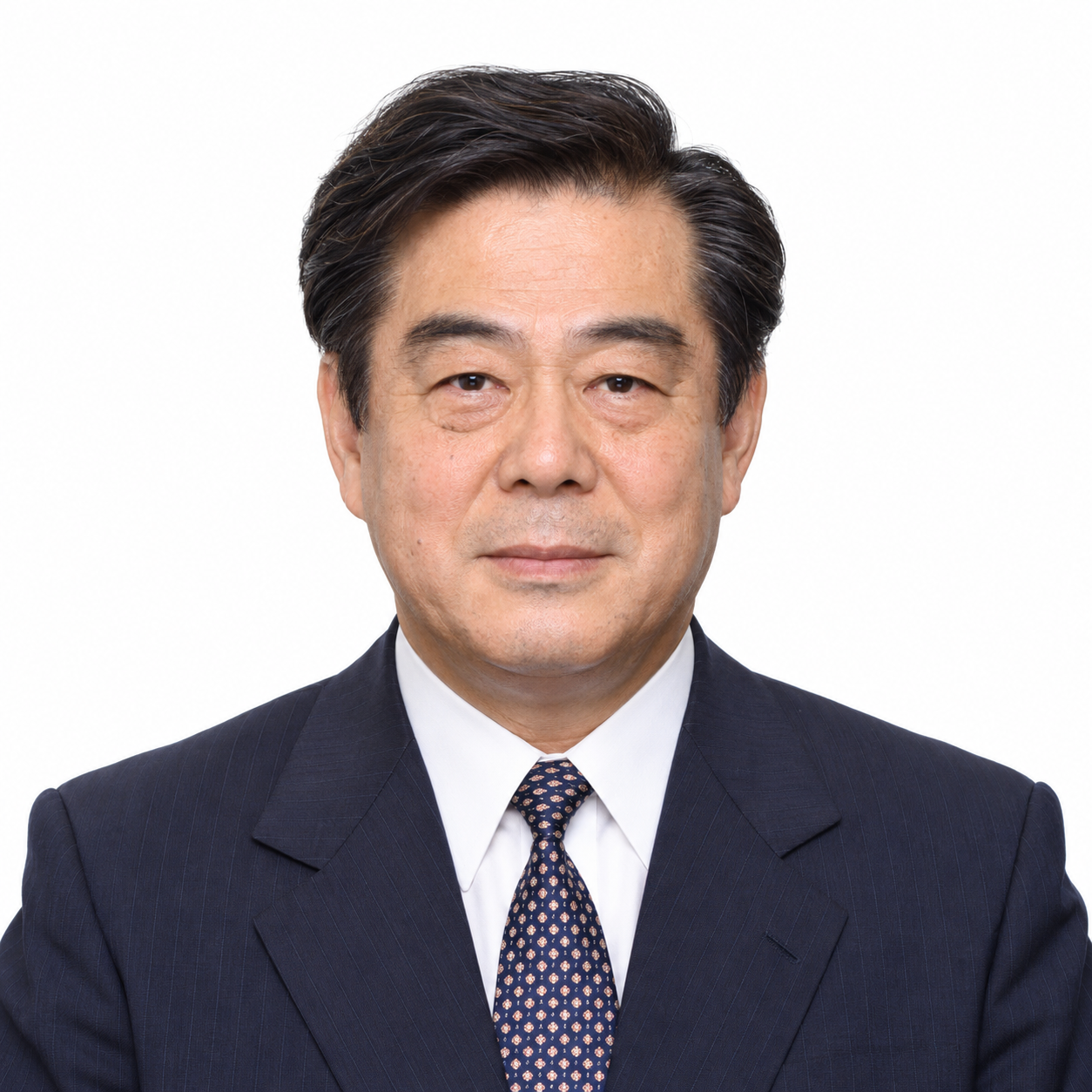
At a glance
- Born
- 1934 CE
- Era classification
- Modern
- Occupation
- Business Executive
- Homeland
- Japan
- Period
- 20th–21st century
- Field
- Politics & Leadership
- Language
- Japanese
- Gender
- male
Biography
Yoshiaki Tsutsumi was born on May 29, 1934, the son of Yasujiro Tsutsumi, a powerful politician and the founder of the Seibu business empire. Despite being the child of Yasujiro's mistress, Yoshiaki was selected over his elder half-brothers to inherit the core of the family conglomerate following his father's death in 1964. Under his direction, Kokudo Corporation and the Seibu Railway Group expanded aggressively, creating an expansive network of regional rail lines, Prince Hotels, golf resorts, and ski destinations that capitalized on Japan's postwar economic boom.
During the height of the Japanese asset price bubble in the late 1980s, Tsutsumi's vast real estate portfolio propelled him to historic global financial prominence. In 1987, Forbes magazine named him the wealthiest person in the world, a distinction he held for most years through 1994, with an estimated net worth that peaked at approximately twenty billion dollars. Known for a secretive and autocratic management style, he maintained total control over corporate governance and shielded the conglomerate's financial operations from public view.
Beyond corporate real estate and transit, Tsutsumi exerted significant influence in Japanese and international sports. He served as the inaugural president of the Japanese Olympic Committee from 1989 to 1990 and played a pivotal role in securing and organizing the 1998 Winter Olympics in Nagano. He also owned the Seibu Lions professional baseball team, guiding the franchise to become one of the most successful dynasties in Nippon Professional Baseball history during the 1980s and 1990s.
Tsutsumi's empire unraveled in the wake of prolonged economic stagnation and heightened regulatory scrutiny. In March 2005, he was arrested by Tokyo authorities for securities fraud and insider trading stemming from years of falsified shareholder records at Seibu Railway. He subsequently pleaded guilty, received a suspended prison sentence and a substantial fine, and was forced to resign all positions, effectively ending his family's control over the Seibu conglomerate.
Portrayal characteristics
Saved editorial descriptions used for the reconstruction; these are not authenticated statements by the depicted person.
- Autocratic
- Shrewd
- Secretive
- Ambitious
- Influential
Images & artwork 1
Known for
- Leading the Seibu Group and Kokudo conglomerate
- Ranked by Forbes as the world's wealthiest person (1987–1994)
- Serving as inaugural President of the Japanese Olympic Committee
- Securing the 1998 Winter Olympics for Nagano
- Building the Seibu Lions baseball dynasty
Episodes featuring or mentioning this figure
No eligible published episode featuring this figure is currently in the library.